
Fentanyl and opioid treatment for Del Sur is provided at Quest 2 Recovery, a residential facility about six to seven miles southeast in the Quartz Hill area of Lancaster at 42939 45th St W. Adults from Del Sur receive medically supervised detox, residential care, and opioid medication with Suboxone or Vivitrol for fentanyl dependence. We work with most major insurance plans, and same-day admission is often possible.
Quest 2 Recovery holds California DHCS license #190992AP, Joint Commission accreditation, and LegitScript certification. Call (855) 783-7888 to verify coverage.
Residential fentanyl treatment a short drive from Del Sur
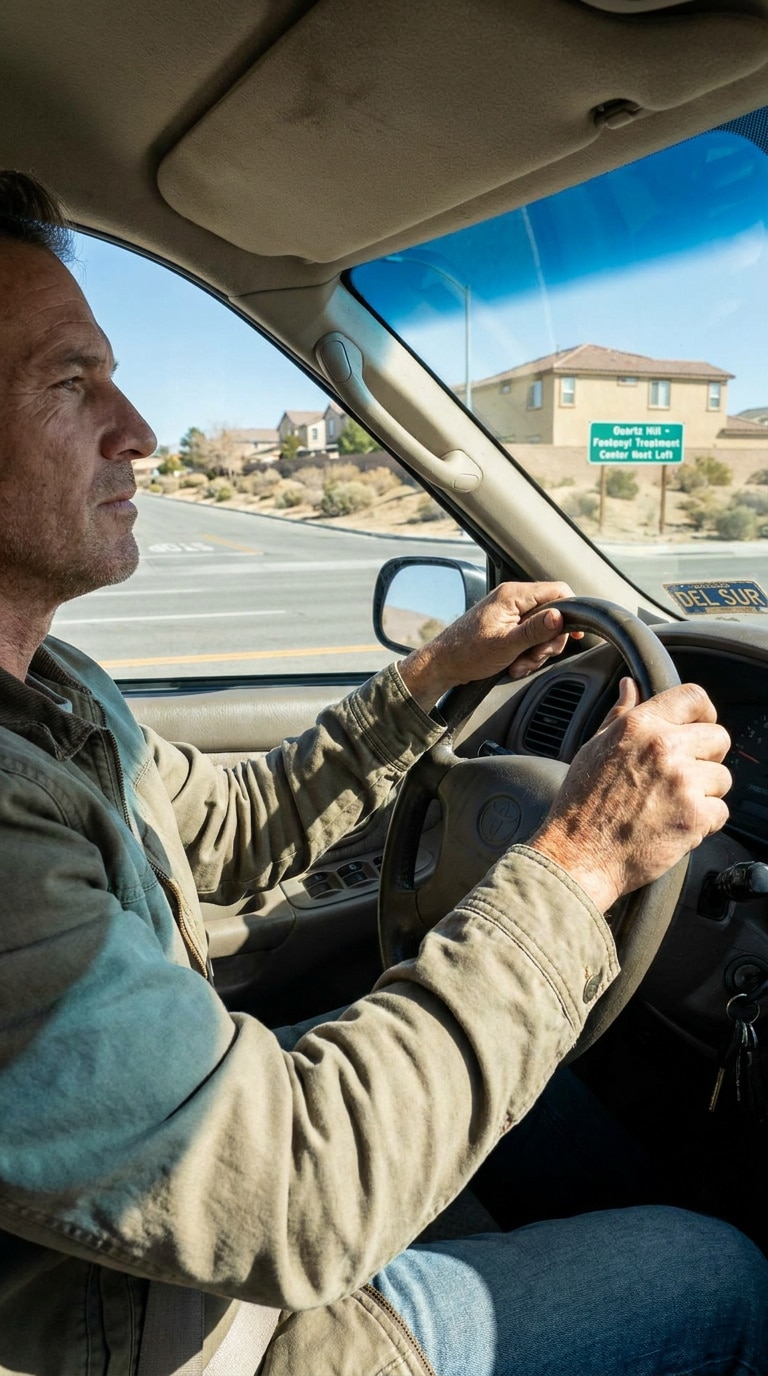
Del Sur residents reach Quest 2 Recovery in a short local drive of about six to seven miles across west Lancaster, keeping fentanyl treatment inside the community rather than out of the Valley. That distance matters with opioids, because a facility close to home is one a person is more likely to actually reach once they have decided to get help, and one that lets family stay involved through the hardest stretch. Del Sur sits northwest of the facility in the 93536 area, connected by local Lancaster surface streets. For residents who need it, admission often happens the same day once coverage is confirmed.
Why fentanyl is harder to quit than other opioids
Fentanyl is harder to stop using than most opioids because its strength and speed produce dependence fast, and because it lingers in the body in a way that draws out withdrawal. A person coming off fentanyl typically feels withdrawal begin within a day of the last dose, peaking over the following two to three days with strong cravings, body pain, stomach upset, and agitation. Quest 2 Recovery manages this stage with around-the-clock medical monitoring, treating symptoms as they rise. Opioid withdrawal rarely kills on its own, but attempting it alone is dangerous, because the cravings are severe and a relapse at lowered tolerance is where fatal overdoses happen.
How Suboxone and Vivitrol fit into treatment
The goal of medication in fentanyl treatment is to make cravings and withdrawal manageable enough that the rest of recovery can actually happen, and Quest 2 Recovery uses two FDA-approved options toward that end. Which one a person starts on depends largely on timing. During active withdrawal, buprenorphine, prescribed as Suboxone, is the workable choice, since as a partial opioid agonist it can be introduced while symptoms are still present and eases them without producing a high. Once someone has cleared acute withdrawal, naltrexone, given as the monthly Vivitrol injection, becomes an option, working the opposite way by blocking opioids entirely. Methadone, the third approved medication, falls outside what the facility dispenses, because for addiction it is available only through federally certified opioid treatment programs and is coordinated through them instead. The medical team makes the call with the individual.

A continuum that keeps care in one place
Fentanyl treatment at Quest 2 Recovery runs as one continuous program, so a Del Sur resident stays within a single system from detox through aftercare rather than being handed off. After detox, residential treatment carries therapy and medication forward together, followed by dual diagnosis care and aftercare planning. A case manager keeps the medical and therapeutic pieces coordinated from intake to discharge. Since fentanyl use frequently sits alongside depression, anxiety, or trauma, dual diagnosis care addresses those conditions directly, which lowers the chance that an untreated condition pulls someone back into use.
The fentanyl picture across Los Angeles County
Del Sur is part of Lancaster in the Antelope Valley, within the Los Angeles County area that has seen the sharpest fentanyl-driven rise in overdose deaths. County Public Health data shows fentanyl-involved deaths climbing from 109 in 2016 to over 2,000 in 2023, then dropping 37% to 1,263 in 2024 as access to treatment and harm reduction widened. The pattern behind that drop is worth noting: overdose deaths fall when treatment is close and available. A residential fentanyl program a short drive from Del Sur is part of what keeps care within reach for this side of the Valley.

Coverage and how to start
Most major commercial insurance plans cover medically necessary fentanyl treatment, and we verify your specific benefits before you commit to anything. Your out-of-pocket cost depends on your deductible and plan.Our team checks your coverage and tells you what to expect, usually within minutes. Call (855) 783-7888 or submit the verification form to find out what your plan covers.
Frequently Asked Questions
How far is Quest 2 Recovery from Del Sur?
The facility is about six to seven miles southeast of Del Sur, at 42939 45th St W in the Quartz Hill area of Lancaster. The short local drive is part of why same-day admission is often workable for Del Sur residents once benefits are checked.
How many people actually stay off fentanyl after treatment?
Staying off fentanyl is realistic but rarely happens on willpower alone, which is why medication-supported treatment matters. Pairing Suboxone or Vivitrol with therapy substantially improves the odds of lasting recovery compared with detox by itself, and relapse is treated as a signal to adjust care rather than as failure.
What are the current medications for fentanyl addiction?
For opioid use disorder, the standard medications are buprenorphine (Suboxone) and naltrexone (Vivitrol), both used at Quest 2 Recovery. Suboxone eases withdrawal and cravings; Vivitrol blocks opioid effects for a month at a time. Both work best combined with therapy.
Can I get a family member in Del Sur into treatment?
Yes. Most admissions are voluntary, and the clearest first step is a call with the admissions team to talk through the person’s situation and options. Reach them at (855) 783-7888 to understand what is realistic for a loved one in Del Sur.
Does insurance cover fentanyl rehab for Del Sur residents?
Most major commercial plans cover medically necessary fentanyl treatment. Quest 2 Recovery works with major insurance plans, and verifies benefits before admission.
Medical reviewer
Medically reviewed by Neda Javaherian, MD, Quest 2 Recovery.
Start treatment from Del Sur
Fentanyl treatment is a short drive from Del Sur, and starting sooner is what changes the outcome. Call (855) 783-7888 or verify your insurance today.