






Long-term alcohol addiction silently damages your body and mind in five key ways: Your essential organs deteriorate as fatty liver develops into cirrhosis, your brain’s structure changes leading to cognitive decline and memory loss, your mental health destabilizes with increased depression and anxiety, your family relationships erode under mounting strain, and your brain’s reward system breaks down requiring more alcohol for diminishing effects. Understanding these hidden dangers can help you recognize addiction’s true impact on your well-being.
The Silent Progression of Physical Organ Damage
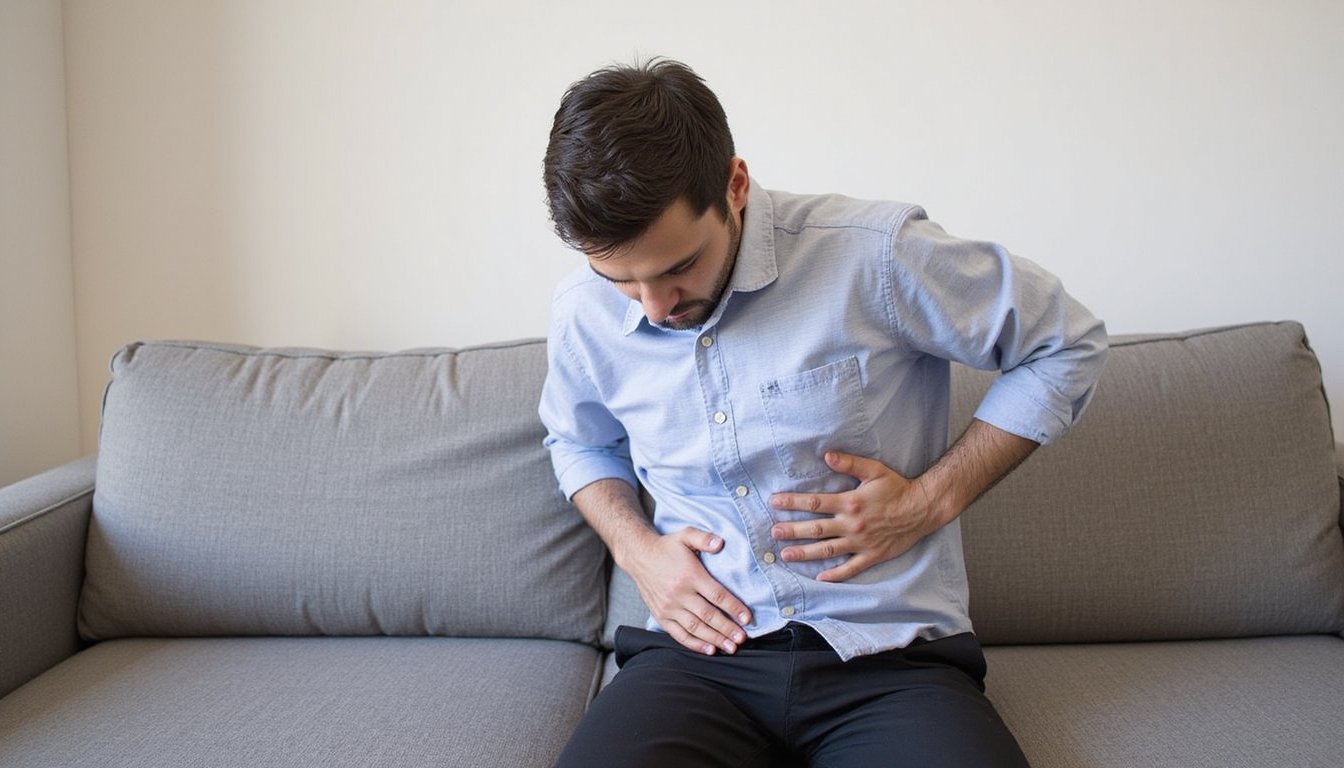
While many alcohol users remain unaware of internal damage, their organs silently sustain progressive deterioration that can span years before symptoms emerge. The underestimated consequences begin with fatty liver disease, which can advance to alcoholic hepatitis and the final, ultimate, or climactic cirrhosis, permanently compromising liver function. Your pancreas undergoes similar silent destruction, with chronic inflammation leading to enzyme deficiencies and potential diabetes. Gastrointestinal distress becomes increasingly severe as alcohol causes tight junction breakdown, allowing harmful bacteria to enter the bloodstream. Communication pathways in the brain deteriorate, leading to impaired thinking and coordination problems.
The underappreciated time course of alcohol-related organ damage affects multiple systems simultaneously. You’ll experience gradual muscle wasting and bone weakening, while your cardiovascular system develops hypertension and heart disease. Your immune system becomes increasingly compromised, leaving you vulnerable to respiratory infections. By the time visible symptoms like jaundice, abdominal swelling, or breathing difficulties appear, you’ve likely already developed significant, irreversible organ damage.
Deteriorating Mental Health and Cognitive Function
Three devastating mental health consequences emerge when alcohol addiction takes hold of your brain: severe mood disorders, cognitive decline, and disrupted sleep patterns. You’ll experience worsening mood dysregulation as alcohol depletes essential brain chemicals, doubling your risk of depression and quadrupling anxiety disorder rates. Research shows individuals with common mental disorders have a twofold higher risk of developing alcohol use disorders compared to those without such conditions. Your cognitive abilities deteriorate dramatically, drinking four or more drinks daily increases your risk of hippocampal shrinkage sixfold, permanently damaging memory and learning capacity. Taking psychiatric medications while drinking can be especially dangerous, as alcohol often causes dangerous interactions with these drugs.
The development of psychotic episodes becomes a real threat, particularly during severe intoxication or withdrawal. Your sleep quality suffers profoundly, with fragmented patterns that further impair mental function. Most concerning, these effects create a vicious cycle; the more you drink to self-medicate, the worse your mental health becomes, potentially leading to irreversible brain changes and chronic psychiatric conditions. For military veterans especially, the combination of alcohol use disorder and trauma creates a dangerous spiral, with PTSD rates reaching 60% among this vulnerable population.
The Ripple Effect on Family and Social Relationships

Beyond the personal mental health toll, alcohol addiction shatters the foundation of family life and social connections through persistent patterns of destructive behavior. You’ll witness trust eroding as dishonesty and broken promises become routine, while communication deteriorates into avoidance or hostile confrontations. Your children face heightened risks, as nearly 19 million U.S. children living with addicted parents experience trauma and instability. The dysfunction breeds social isolation and stigma as families withdraw from support networks. You’ll see harmful family dynamics emerge, including codependency and enabling behaviors, while the risk of heightened domestic abuse increases considerably. The financial and emotional strain depletes resources for basic needs, creating chronic stress that can persist long after the drinking stops, potentially affecting multiple generations. The development of emotional volatility in the addicted person creates an unstable environment where family members constantly walk on eggshells, never knowing what might trigger an outburst. Children often find themselves taking on parental roles prematurely as they attempt to compensate for the dysfunction in their household. One in three children suffer lasting psychological damage due to their parents’ drinking habits, impacting their ability to form healthy relationships later in life.
Breaking the Brain’s Reward System and Self-Control
Through persistent alcohol consumption, your brain’s delicate reward system undergoes profound neurobiological disruption, fundamentally altering how pleasure and motivation are processed. Your brain’s GABA and glutamate systems become severely imbalanced, while dopamine function deteriorates, leading to unintended behavioral changes that make you increasingly dependent on alcohol for any sense of reward. The accumulation of stress within the brain’s corticotropin-releasing factor leads to chronic dependence. Medical professionals often observe that these individuals develop psychiatric conditions alongside their addiction, complicating treatment approaches.
As tolerance builds, you’ll need more alcohol to achieve the same effects, while your brain’s ability to experience pleasure from normal activities diminishes. This creates a vicious cycle where neurological withdrawal symptoms intensify cravings, making it harder to maintain self-control. Even after stopping, your brain remains sensitized to alcohol-related cues while showing reduced endorphin release, explaining why recovery requires sustained effort to rebuild natural reward pathways and restore healthy decision-making capabilities. Recent research from Imperial College London has shown that individuals with alcohol dependency display significantly less endorphins compared to those without addiction, even after extended periods of abstinence.
The Overlooked Public Health Crisis and Mortality Risk
Staggering alcohol-induced death rates reveal an often-overlooked public health catastrophe, with U.S. mortality increasing 89% from 1999 to 2024. You’ll find uneven geographic disparities across states, with persistently high mortality rates concentrated in rural areas. Emergency departments report that alcohol emergencies make up nearly half of all substance-related visits. The crisis has intensified dramatically, surpassing both opioid and suicide deaths. The highest toll falls on Native American populations, with death rates tripling those of white populations. Among male populations, those aged 55-64 consistently show the highest mortality rates throughout the study period.
| Mortality Factor | Key Statistics |
|---|---|
| Annual Deaths 2022 | 105,308 cases |
| Gender Distribution | 66% male deaths |
| Adulthood Risk | 80% aged 35+ |
| Racial Disparity | AIAN 5x White rate |
| State Variation | 34.3 vs 5.9 per 100k |
Your risk multiplies when combining alcohol with other substances; 22.1% of opioid overdoses involve alcohol. The pandemic’s impact remains significant, with 2024 rates still 13% above pre-pandemic levels, particularly affecting grown-ups aged 25-44.
Frequently Asked Questions
Can Genetics Influence How Quickly Someone Develops Alcohol Addiction?
Yes, your genetic predisposition can substantially influence how quickly you develop alcohol addiction. If you carry certain gene variants affecting alcohol metabolism and reward pathways, you may become dependent more rapidly than others. However, it’s not genetics alone; environmental factors like stress, trauma, and early exposure to alcohol interact with your genes to determine addiction speed. Research shows this genetic-environmental interplay accounts for 40-60% of your addiction risk.
What Role Does Childhood Trauma Play in Developing Alcohol Dependence?
If you’ve experienced adverse childhood experiences (ACEs), you’re at considerably higher risk for developing alcohol dependence. Childhood trauma can impair your emotional regulation challenges, leading you to use alcohol as a way to cope with negative emotions and distress. You’ll likely start drinking earlier than your peers, and you’re more vulnerable to developing problematic drinking patterns. This trauma-alcohol connection is particularly strong when you’ve experienced emotional abuse or witnessed violence in your community.
How Does Alcohol Addiction Affect Fertility and Reproductive Health?
If you’re struggling with alcohol addiction, you’re greatly impacting your reproductive health. In women, you’ll experience reduced fertility, irregular menstrual cycles, and increased miscarriage risk. For men, you’ll face lowered sperm count, decreased sperm motility, and hormonal imbalances affecting testosterone levels. When both partners drink heavily, your chances of successful conception drop dramatically. If you’re pursuing fertility treatments like IVF, your success rates will be considerably lower with continued alcohol use.
Is There a Connection Between Alcohol Abuse and Early-Onset Dementia?
Yes, there’s a strong link between alcohol abuse and early-onset dementia. If you’re drinking heavily, you’re markedly increasing your risk of developing alcohol-related dementia, particularly before maturity 65. Unlike early-onset Alzheimer’s, alcohol-related dementia can be partially reversible if you stop drinking. Research shows that excessive alcohol accelerates brain atrophy, increases toxic protein buildup, and damages memory centers. You’ll typically see symptoms emerge between ages 40-50 if you’re affected.
Do Different Types of Alcohol Cause Varying Levels of Addiction Risk?
Yes, different alcoholic beverages can present varying addiction risks, primarily due to their alcohol content. When you consume higher-ABV drinks like spirits (36-50%) or fortified wines (16-24%), you’re more likely to develop dependency faster than with lower-ABV options. However, your alcohol consumption patterns matter more than the type of drink. Whether you’re drinking beer or spirits, binge drinking and frequent consumption will markedly increase your addiction risk regardless of beverage choice.