
Detox Guide
Lyrica Withdrawal: Pregabalin Withdrawal Symptoms, Timeline, and Recovery
Lyrica withdrawal: learn pregabalin withdrawal symptoms, timeline, and risks, plus why tapering over at least one week is safest.

Lyrica withdrawal: learn pregabalin withdrawal symptoms, timeline, and risks, plus why tapering over at least one week is safest.

How long does Lyrica withdrawal last? See how dose, duration of use, and taper speed shape your pregabalin withdrawal timeline.

Stopping pregabalin suddenly can cause withdrawal symptoms like anxiety, insomnia, and seizures. Learn why a gradual taper with your prescriber is safer.
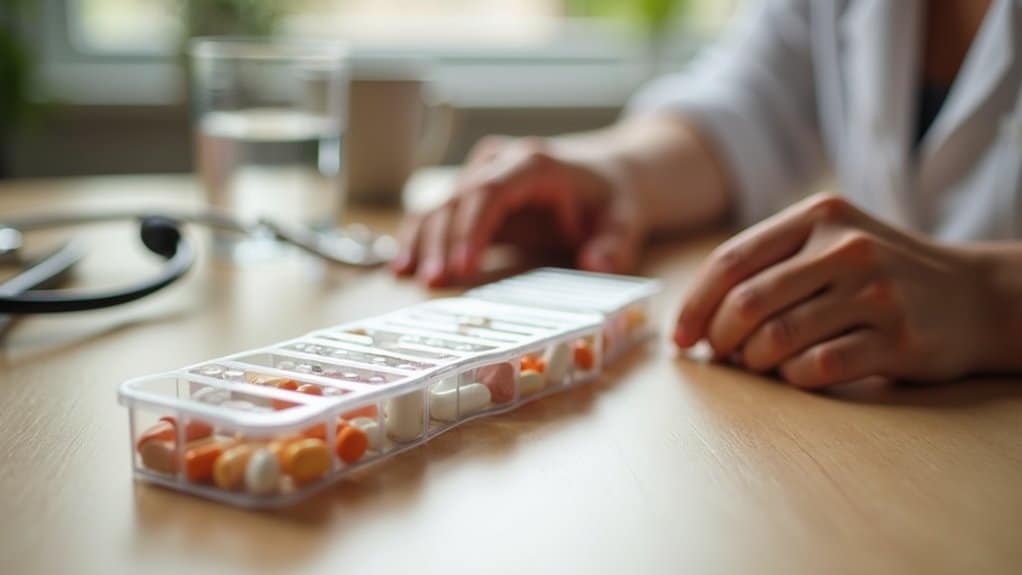
Taper off Lyrica (pregabalin) safely with a prescriber-guided plan: sample dose schedules, timelines, and how to manage withdrawal symptoms.

Pregabalin withdrawal after short-term use can occur after just one week. Learn the symptoms, how long they last, and how to taper safely.

Lyrica withdrawal symptoms ease best with a slow, prescriber-guided taper. Learn how to taper safely and manage insomnia, nausea, anxiety, and more.
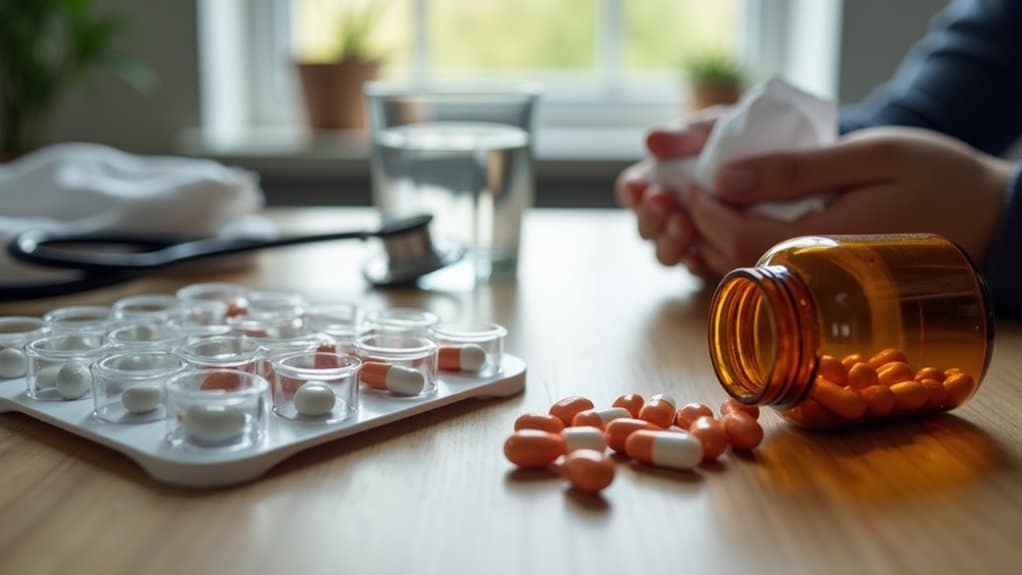
Lyrica dependence vs. addiction: learn how physical adaptation differs from compulsive use and what each means for your treatment and next steps.
Alcohol tolerance means needing more drinks to feel effects. Learn how it develops, its types, and warning signs to protect your heart, liver, and health.

Alcohol tolerance depends on genes, body water, drinking habits, food, age, and medications. Learn how each factor works and why tolerance isn’t safety.
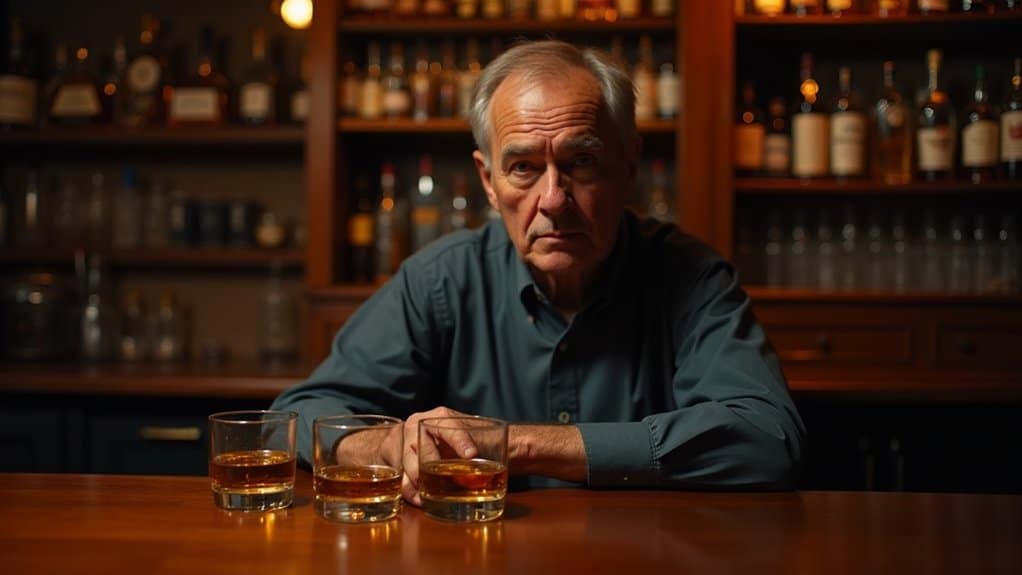
High alcohol tolerance means you need more for the same effects, but you’re still impaired. Learn the link to dependence, health risks, and next steps.

Alcohol tolerance suddenly gone down? Learn the common causes, from drinking less to medications and health conditions, and when to seek medical care.

Alcohol tolerance drops after you stop drinking, but no set timeline fits everyone. Learn what affects yours and how to lower your overdose risk.

Can’t get drunk anymore? Learn why alcohol tolerance increases and why feeling sober doesn’t mean alcohol isn’t impairing you.
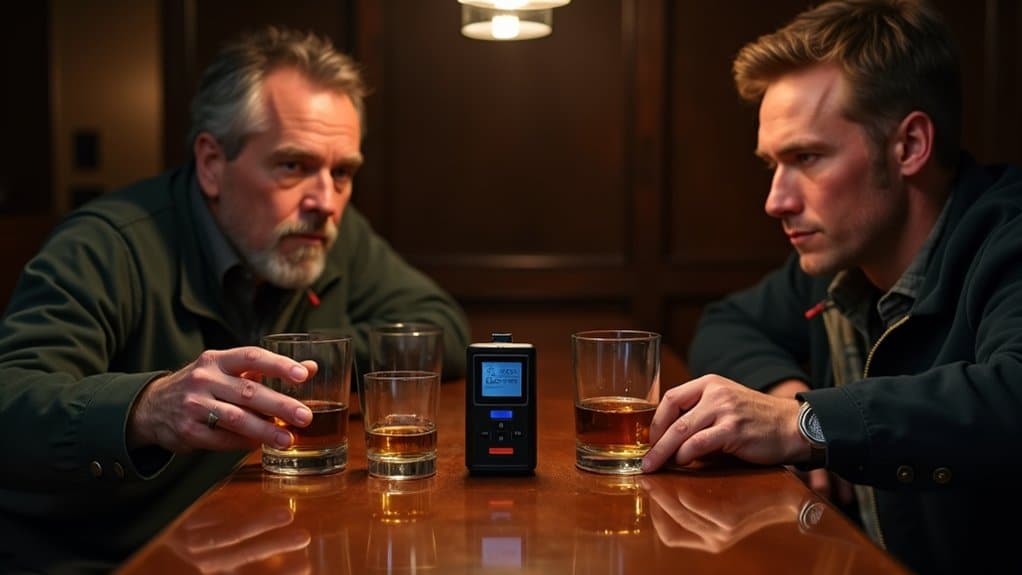
Alcohol tolerance hides how drunk you look and feel but doesn’t lower your BAC. Learn what sets your blood alcohol and why feeling fine isn’t safe.

What causes psychosis? Learn how genes, stress, trauma, sleep loss, and substances interact, and how risk factors differ from triggers.

Drug-induced psychosis can cause voices, paranoia, and confused speech. Learn the warning signs, when symptoms start, and when to seek help.

Drugs that cause psychosis include stimulants, cannabis, hallucinogens, and some prescriptions. Learn which carry the highest risk and when to seek care.

Drug-induced psychosis can last days to months. See recovery timelines by substance, what speeds or slows healing, and when to seek help.

Can drug-induced psychosis become permanent? Learn how often it resolves, when it turns chronic, and which factors shape your recovery outlook.

Can alcohol or cannabis trigger psychosis? Yes. Learn how heavy drinking, withdrawal, and high-potency cannabis raise your risk.

Drug-induced psychosis vs. schizophrenia: learn how symptom timing after drug use helps tell them apart, and when psychosis may signal schizophrenia.

Wet brain syndrome is a thiamine deficiency disorder linked to heavy drinking. Learn the early signs, how it progresses, and how recovery works.

Stages of wet brain syndrome: learn how Wernicke encephalopathy progresses to Korsakoff syndrome, and how thiamine can reverse early damage.

Wet brain can be reversed if treated early with thiamine. Learn the treatment, recovery timeline, and when Korsakoff memory loss becomes permanent.

Wet brain diagnosis relies on history, neurological signs, and Caine criteria, not one test. See how MRI and thiamine tests fit and why it’s missed.

Wet brain syndrome life expectancy: median survival is 6 to 11 years. Learn how early thiamine treatment and quitting alcohol improve your prognosis.

Wernicke encephalopathy vs. Korsakoff syndrome: learn how symptoms, memory loss, prognosis, and treatment differ between thiamine-deficiency stages.
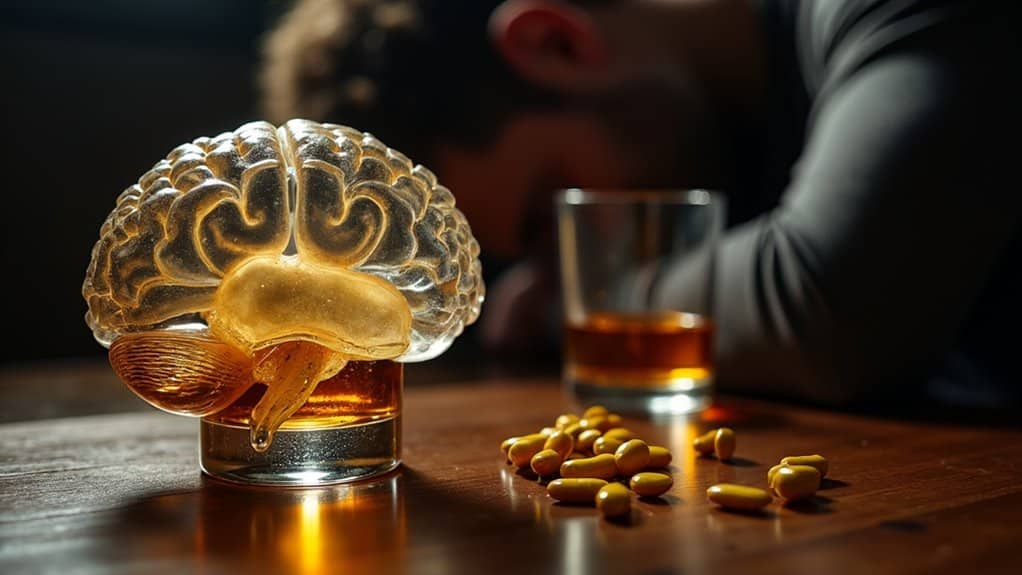
Thiamine deficiency causes wet brain by starving key brain regions of energy. Learn how alcohol drains thiamine and how treatment protects your brain.

Hangxiety is anxiety during a hangover. Learn why alcohol leaves your nervous system on edge and when it’s time to seek support.

Alcohol causes next-day anxiety as your brain rebounds from GABA and glutamate shifts. Learn what drives it, who’s most vulnerable, and how to respond.