
Addiction Treatment For Veterans At Quest 2 Recovery
Quest 2 Recovery treats veterans and active-duty service members in the same residential program as the wider community, with care that accounts for military experience. Our programs are built for adults in general while remaining accessible to those who have served, which means a veteran gets the full continuum of detox, residential treatment, dual diagnosis care, and aftercare, with clinicians who understand how service-related trauma affects recovery. We are in-network with TRICARE and participate in the VA Community Care Network, so treatment is reachable for those who have served. The aim is straightforward: address the substance use and the experiences underneath it, with respect for the service behind them.
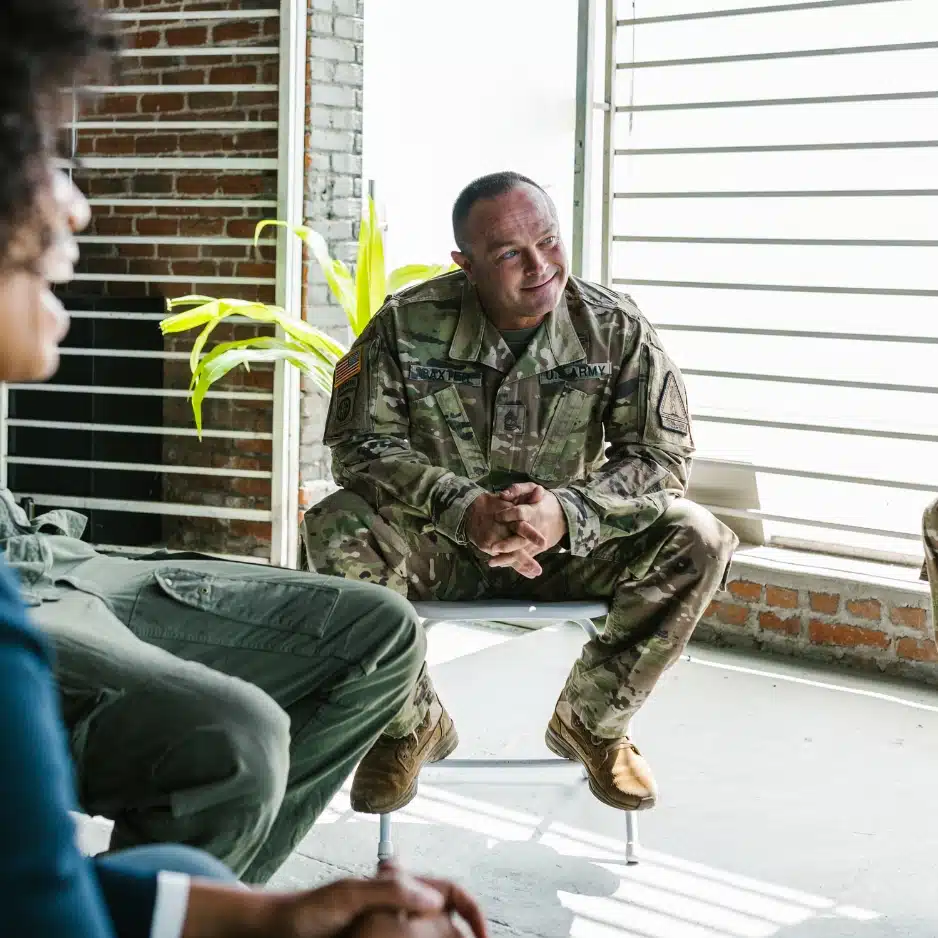
Comprehensive Detox Treatment Services in 42939 45th St W, Lancaster, CA 93536
Does Tricare Or Va Cover Rehab At Quest 2 Recovery?
Yes. Quest 2 Recovery is in-network with TRICARE and participates in the VA Community Care Network, which is how many veterans access treatment outside a VA facility. TRICARE covers substance use and mental health treatment, including inpatient and residential care, for active-duty members, veterans, and military families, subject to your plan and medical necessity. The VA Community Care Network allows eligible veterans to receive care at a community provider like Quest 2 Recovery when that is the right option for them. Our admissions team verifies your specific TRICARE or VA Community Care eligibility before admission and explains what is covered, so cost is clear from the start. To confirm your coverage, call (855) 783-7888 or verify your benefits online.
Who This Program Is For
This program is for adult veterans and active-duty service members with a substance use disorder, particularly those carrying service-related trauma alongside the addiction. Many veterans come to treatment dealing with more than substance use: PTSD, anxiety, depression, chronic pain, and the difficulty of transitioning to civilian life all play a role, and they are part of what treatment addresses. Veterans are often conditioned to push through difficulty, which can make asking for help harder and delay it longer. Treatment here is built for the person who has carried that weight and is ready to set it down, whether the substance use is recent or has gone on for years. Treatment programs are designed to address the unique needs of veterans by providing comprehensive support. They offer therapeutic options that focus not only on substance use but also on the co-occurring mental health challenges veterans may face.
How Service-Related Trauma Connects To Addiction
For many veterans, substance use begins as a way to manage what service left behind. PTSD, combat trauma, chronic pain, and the loss of military structure can all drive someone toward alcohol or drugs as a way to cope, and over time that coping becomes its own problem. Treating the addiction without addressing the trauma underneath it tends not to hold, which is why our care is trauma-informed and addresses co-occurring mental health conditions alongside substance use. Our clinicians are experienced in supporting veterans with PTSD, anxiety, and depression, using evidence-based approaches that treat both the substance use and the conditions feeding it. This is the same integrated, dual diagnosis approach that addiction and mental health together call for. Medical drug & alcohol detox is often the first step toward recovery for many who struggle with substance use. This critical phase is designed to safely manage withdrawal symptoms while addressing the psychological aspects of addiction.
Substances We Treat
Our program treats addiction to alcohol and the major drug categories, including the prescription medications that veterans are sometimes first exposed to through service-related care. Each links to more on how we treat it:
Alcohol:
one of the most common substances veterans use to cope with stress and trauma.
Opioids (fentanyl, heroin, prescription painkillers):
including dependence that began with prescribed pain management.
Benzodiazepines (Xanax, Klonopin, Ativan, Valium):
sometimes prescribed for anxiety or sleep, then difficult to stop.
Cocaine:
stimulant addiction treated alongside any co-occurring conditions.
Methamphetamine:
stimulant use disorder with structured residential care.
Adderall and prescription stimulants:
dependence on prescribed or non-prescribed stimulants.
If you are unsure whether what you are using is treatable in our detox, call (855) 783-7888 and we will tell you.
Community Provider Vs. Va Facility
Veterans have a choice in where they get treatment, and a community provider in the VA Community Care Network is one option alongside a VA facility. The table outlines the difference.
Community provider (Quest 2 Recovery) | VA facility | |
|---|---|---|
Location | Local, in the Antelope Valley | Nearest VA medical center |
Access | Through VA Community Care Network or TRICARE | Direct VA enrollment |
Setting | Private residential | Varies by facility |
Wait | Often same-day admission | Depends on VA capacity |
Best for | Veterans who want local, residential care close to home | Veterans who prefer care within the VA system |
The VA Community Care Network exists so eligible veterans can get care at a community provider when that is the better fit, including when a local residential program is more accessible than a VA facility. The right choice between the VA and a community provider depends on your eligibility and your situation, and our team can help you understand the options before you decide.
What Treatment Looks Like
Treatment for veterans follows the same clinical path as our wider program, with attention to service-related needs at each step. It begins with an intake assessment that looks at your substance use, your mental health, your service history, and your goals, and that assessment shapes an individualized plan. From there, care combines detox where it is needed, residential treatment with individual and group therapy, and support for co-occurring conditions like PTSD and depression. You stay on-site in a structured, private setting with 24/7 clinical support. Your case manager coordinates the whole course of treatment, including the move into aftercare, so the plan holds together from admission through discharge. Aftercare program services play a crucial role in maintaining the progress achieved during primary treatment. They provide ongoing support and resources to help individuals navigate the challenges of recovery.
Insurance And Cost
Quest 2 Recovery is in-network with TRICARE and participates in the VA Community Care Network, and we also work with most major PPO insurance plans, including Anthem Blue Cross, Aetna, Cigna, GEHA, and Carelon. We do not accept Medicaid or Medicare. For veterans, TRICARE and VA Community Care are the most common paths to coverage, and our team verifies your specific eligibility and benefits before admission so you know what to expect. We work with veterans and their families on benefits and funding so cost is not what stops someone from getting help. Verify your insurance or call (855) 783-7888.
What Makes Treatment For Veterans At Quest 2 Recovery Work
What makes this program work for veterans is the combination of military-aware care and a full treatment continuum under one roof. Veterans are treated by clinicians who understand service-related trauma, in a private residential setting rather than a large institutional one, with the substance use and the mental health conditions behind it addressed together. Because detox, residential treatment, dual diagnosis care, and aftercare are all here, a veteran moves through the stages of recovery without being transferred between facilities or systems.
The TRICARE and VA Community Care relationships matter as much as the clinical care, because access is often the barrier that keeps veterans from getting help. Being in-network with TRICARE and part of the VA Community Care Network means treatment is reachable locally, in the Antelope Valley, rather than requiring travel to a distant VA facility.
Quest 2 Recovery is a licensed California facility (DHCS License #190992AP), Joint Commission accredited, and LegitScript certified. Those are independent, verifiable credentials. Our facility serves Lancaster, Palmdale, Quartz Hill, Rosamond, Ridgecrest, Edwards Air Force Base, and the wider Antelope Valley, with admission often available the same day you call.
Frequently Asked Questions
Does TRICARE cover drug and alcohol rehab?
Yes. TRICARE covers substance use and mental health treatment, including inpatient and residential care, for active-duty members, veterans, and military families. Quest 2 Recovery is in-network with TRICARE. Coverage depends on your specific plan and medical necessity, and our team verifies your benefits before admission.
What is the VA Community Care Network?
The VA Community Care Network lets eligible veterans receive care from approved community providers outside a VA facility, when that is the right option for them. Quest 2 Recovery participates in the network, which means eligible veterans can be treated here rather than traveling to a VA medical center. Eligibility is determined through the VA, and our team can help you understand it.
Do you treat PTSD alongside addiction?
Yes. Many veterans face PTSD and other service-related mental health conditions alongside substance use, and treating them together is central to how our care works. Our clinicians use trauma-informed, evidence-based approaches to address PTSD, anxiety, and depression as part of the same plan as the addiction treatment.
Can active-duty service members get treatment here?
Yes. Our program is accessible to both veterans and active-duty service members, and we are in-network with TRICARE, which covers active-duty members. We serve the Antelope Valley including Edwards Air Force Base. Call (855) 783-7888 and our team can walk you through coverage and admission.
Do I have to use the VA to get treatment?
No. While the VA provides addiction treatment, eligible veterans can also receive care at a community provider like Quest 2 Recovery through the VA Community Care Network or through TRICARE. This gives veterans the option of local, residential care close to home rather than at a VA facility.
How soon can I start treatment?
Same-day admission is often available. Once you call, our team verifies your TRICARE, VA Community Care, or other benefits, completes a brief screening, and coordinates your arrival, sometimes within hours.