



Yes, alcohol can make joint and bone pain worse. It raises systemic inflammation, which can aggravate arthritis, and dehydrates you, reducing joint lubrication and increasing stiffness. Alcohol also elevates uric acid, triggering gout flares within 24 hours. Over time, it interferes with bone remodeling, lowering bone density and raising your fracture risk. Heavy drinking slows healing and disrupts sleep, heightening pain perception. Understanding how each effect works can help you protect your joints.
Key Takeaways
- Alcohol raises systemic inflammation and reduces joint lubrication through dehydration, worsening arthritis symptoms and stiffness.
- Drinking increases uric acid levels and can trigger painful gout flares within 24 hours.
- Long-term alcohol use interferes with bone remodeling, lowering bone density and raising fracture risk.
- Hip fracture risk climbs significantly above three standard drinks daily.
- Alcohol slows healing after injuries and disrupts sleep, heightening pain perception and delaying recovery.
Can Alcohol Make Joint and Bone Pain Worse
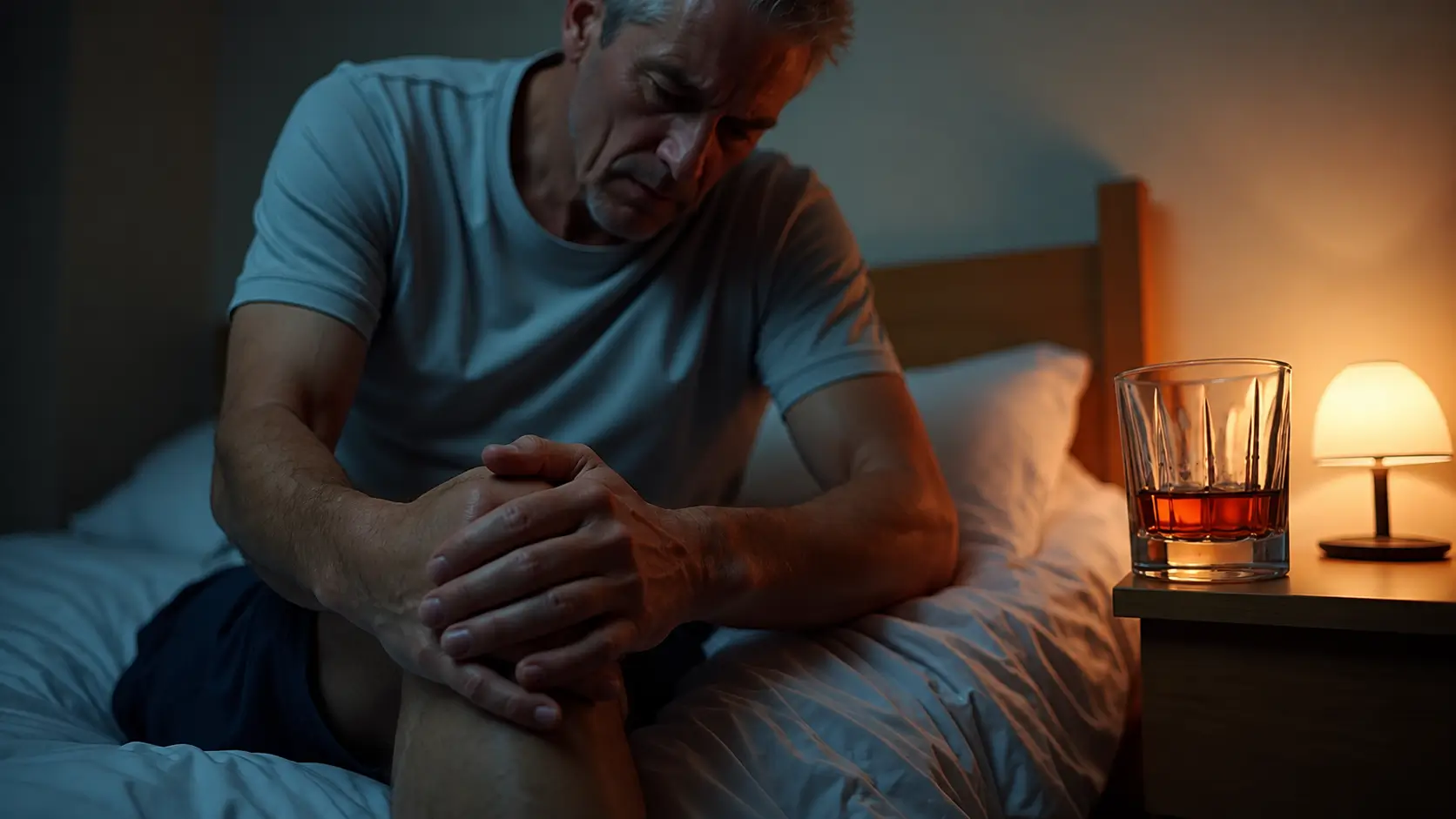
Yes, alcohol can make joint and bone pain worse, especially when you drink frequently or heavily. So does alcohol make joint pain worse? For many people, it does. Alcohol can raise uric acid levels and trigger gout flares, producing sudden, intense joint pain, swelling, and redness. It can also amplify systemic inflammation, aggravating arthritis symptoms, while dehydration reduces joint lubrication and increases stiffness.
If your bones hurt after drinking, the cause is often indirect. Long-term alcohol use interferes with bone remodeling, lowering bone density and raising fracture risk. One meta-analysis found hip fracture risk climbing above three drinks daily. Dehydration and muscle pain link can worsen alcohol’s effects on your body. Low hydration impairs muscle recovery, leading to increased discomfort.
Wondering why do my bones ache after drinking? Microfractures, reduced bone strength, and alcohol-related falls can all produce deep bone pain, particularly if you already have osteoporosis risk. Hangover symptoms and chills often follow a night of drinking, stemming from dehydration and the body’s struggle to process alcohol.
How Can Alcohol Affect Existing Joint Inflammation or Pain
Alcohol can intensify existing joint inflammation or pain through several overlapping mechanisms. Heavy drinking amplifies systemic inflammation, which can worsen pain in inflammatory joint conditions even when alcohol didn’t cause the original disease. If you have gout, alcohol raises uric acid and can trigger crystal-driven flares, sometimes within 24 hours. Dehydration reduces joint lubrication and increases stiffness, so osteoarthritis and degenerative conditions can feel worse. Alcohol also slows healing after strain or injury and disrupts sleep quality, which heightens pain perception and delays recovery. These effects compound with repeated heavy use, making flares more frequent and harder to control. If you’re managing an inflammatory or degenerative joint condition, reducing alcohol can lower inflammation, improve treatment response, and ease symptom severity.
Why Can Alcohol Trigger or Worsen Gout in Some People
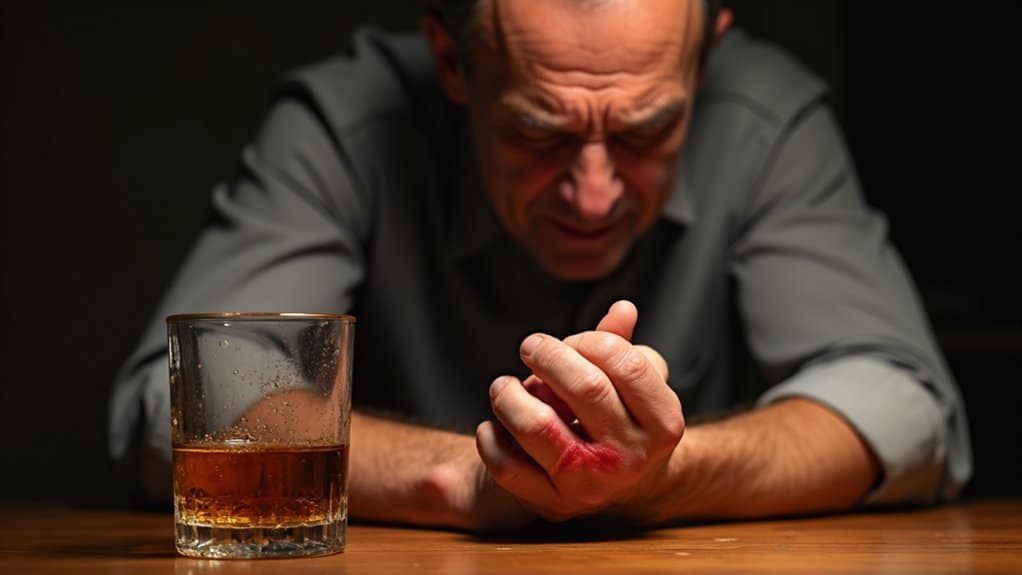
Alcohol can trigger or worsen gout because it raises uric acid levels and impairs how your kidneys clear it, setting the stage for crystal formation in your joints. These crystals trigger sudden, intense inflammation, often striking your big toe, ankle, or knee with swelling, redness, and warmth.
Here’s why alcohol worsens gout risk:
- Beer contains purines that directly contribute to uric acid formation.
- All alcohol types can impair uric acid handling by your kidneys.
- Rapid triggering means some people report flares within 24 hours of drinking.
If you’re managing gout, limiting alcohol matters, since flares can still occur even during uric acid-lowering therapy.
How Do Joint Pain Bone Pain Muscle Pain and Nerve Pain Feel Different
Joint pain, bone pain, muscle pain, and nerve pain each feel distinctly different. Joint pain brings stiffness, swelling, and warmth. Bone pain produces a deep, dull, persistent ache. Muscle pain feels sore, tender, or cramping. Nerve pain burns, tingles, or shoots along specific pathways. Distinguishing where your pain originates helps you and your clinician identify its cause and choose the right treatment. Each pain type carries characteristic features that guide diagnosis.
| Pain Type | Typical Sensation | Common Triggers |
|---|---|---|
| Joint | Stiffness, swelling, warmth | Movement, gout flares, arthritis |
| Bone | Deep, dull, persistent ache | Fractures, reduced density |
| Nerve | Burning, tingling, shooting | Compression, alcohol-related damage |
Muscle pain feels sore, tender, or cramping, often worsening with exertion and easing with rest. Joint pain concentrates around specific articulations and intensifies during motion. Bone pain stays constant regardless of position and can signal microfractures. Nerve pain follows specific pathways and may include numbness. Identifying these patterns helps you recognize whether alcohol’s effects on bones, joints, or nerves are driving your discomfort.
Can Falls or Injuries While Drinking Explain Pain That Appears Later

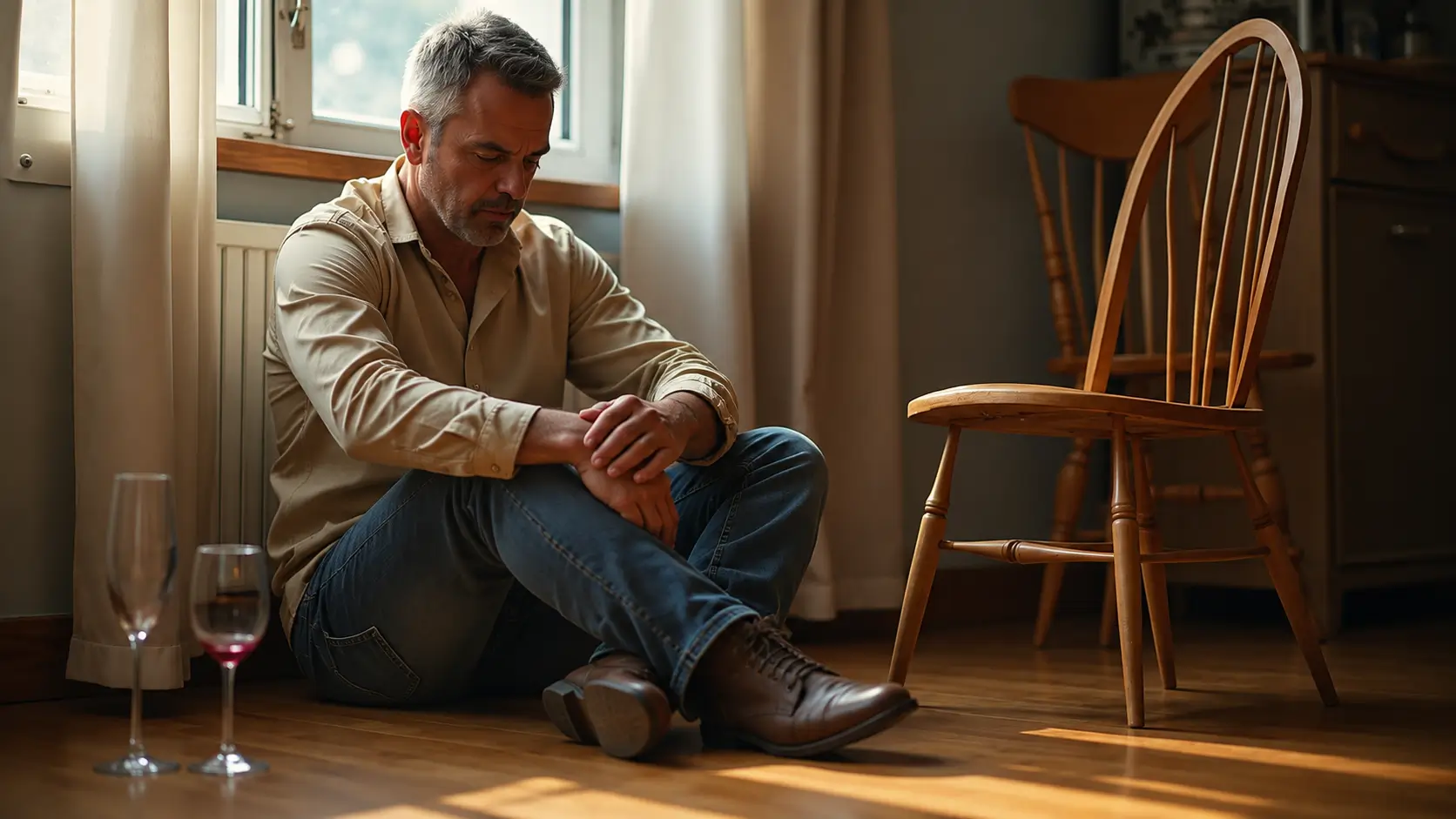
Yes, falls or injuries you sustain while drinking can explain pain that surfaces hours or days later. Alcohol slows your reaction time and impairs balance, raising your fall risk, especially if you’re older or already have reduced bone density. What feels like “general bone pain” may actually be an unrecognized injury from a fall you barely remember. Soreness after drinking alcohol can also be a result of dehydration, which is often overlooked. Fluid loss can lead to muscle cramps and fatigue, further contributing to discomfort.
Consider these mechanisms:
- Delayed symptom onset: Sprains, bruises, and microfractures can produce pain that intensifies hours or days after impact.
- Masked pain perception: Alcohol’s numbing effect can hide an acute injury until you sober up.
- Compounded fragility: Chronic drinking lowers bone density, so falls cause more severe fractures.
If pain appears without clear cause after drinking, consider that an overlooked fall or injury may be responsible.
How Can Long-Term Heavy Drinking Affect Bone and Musculoskeletal Health
Long-term heavy drinking undermines your bone and musculoskeletal health through several overlapping mechanisms. Sustained alcohol exposure interferes with bone remodeling, lowering bone density and weakening structural integrity. As density drops, you become more vulnerable to stress injuries and fractures that can feel like deep bone pain. The risk is dose-dependent: studies show little increase at low intake, but hip fracture risk rises around three standard drinks daily, and a meta-analysis found any-fracture RR 1.23, osteoporotic-fracture RR 1.38, and hip-fracture RR 1.68 above two units daily. Clinical tools like FRAX treat higher daily intake as a fracture risk factor. Heavy drinking also slows healing after strain or injury, so recovery lags and microfracture-related pain lingers longer than it otherwise would.
When Should New Joint Swelling or Persistent Bone Pain Be Evaluated
New joint swelling or persistent bone pain should be evaluated when swelling appears suddenly or bone pain lasts beyond a few days, especially if you drink regularly. Sudden, intense pain with redness and warmth in the big toe, ankle, or knee can signal a gout flare, which alcohol may trigger within 24 hours. Persistent bone pain may reflect a stress injury or fracture, particularly if your bone density is already compromised.
Seek evaluation promptly if you notice:
- Rapid-onset joint swelling with redness, warmth, or fever
- Bone pain after a fall or minor impact, suggesting possible fracture
- Pain that worsens despite rest, or interferes with weight-bearing
Early assessment helps identify gout, fractures, or inflammatory arthritis, allowing targeted treatment before complications develop or symptoms escalate.
When Alcohol Keeps Making the Pain Worse
If drinking consistently triggers gout flares, worsens joint stiffness, or leaves your bones aching, it may be a sign that your body is telling you something important. Quest 2 Recovery offers medically supervised detox and inpatient care that helps you step away from alcohol safely and start healing. Verify your insurance or call (855) 783-7888 today for a confidential conversation about what recovery could look like for you.
Frequently Asked Questions
Does Quitting Alcohol Reverse Bone Loss or Improve Joint Pain?
Quitting alcohol can partly reverse bone loss and ease joint pain, though results depend on your baseline damage. When you stop drinking, you’ll improve bone remodeling, potentially raising bone density over time. You’ll also lower uric acid, reducing gout flares, and cut systemic inflammation that worsens arthritis. Better hydration, sleep, and treatment effectiveness follow too. Existing fractures or advanced degeneration won’t fully resolve, but you’ll likely reduce pain and future risk.
Which Type of Alcohol Is Safest for People With Arthritis?
No alcohol is truly “safe” for arthritis, but if you drink, you’ll likely do best avoiding beer, since its purines can raise uric acid and trigger gout flares. All alcohol types can worsen uric acid handling, inflammation, and dehydration, so no option is clearly protective. If you have gout or inflammatory arthritis, you’ll benefit most from limiting intake overall rather than switching types.
Can I Drink Alcohol While Taking Gout Medication?
You should limit or avoid alcohol while taking gout medication. Even during uric acid-lowering therapy, alcohol can raise uric acid levels and trigger flares, especially when you’re starting treatment. It may also complicate pain relievers and anti-inflammatory medicines by increasing side-effect risk. If your medication adherence is inconsistent, alcohol can further undermine control. For better treatment effectiveness and fewer flares, you’ll want to reduce your intake and consult your doctor.
How Long After Stopping Alcohol Do Symptoms Improve?
You’ll often notice gout-related improvements within days, since alcohol’s effect on uric acid can ease relatively quickly once you stop drinking. Inflammation and dehydration-related stiffness may also settle within a week or two as your body recovers. Bone-related pain improves more slowly, because bone density and remodeling take months to change. If you’ve got a fracture or arthritis, expect gradual gains, and don’t stop prescribed treatment without your doctor’s guidance.
Are Certain Supplements Helpful for Alcohol-Related Bone Weakness?
Yes, certain supplements can support bone health if you’re dealing with alcohol-related bone weakness. Calcium and vitamin D are the most evidence-backed, since they’re essential for bone remodeling and density. Alcohol often depletes magnesium too, so that’s worth checking. However, supplements won’t reverse damage on their own, reducing alcohol intake matters most. Talk to your doctor before starting anything, especially if you’re on gout or anti-inflammatory medications, to avoid interactions.