






When you consume psilocybin, you’re triggering serotonergic activation that fundamentally alters sensory processing within an hour. You’ll likely experience visual distortions like enhanced colors, geometric patterns, and surfaces that seem to breathe. Emotionally, you’re subject to rapid mood shifts between euphoria and introspection. Physically, your heart rate and body temperature elevate while you perceive altered textures and spatial boundaries. These acute effects typically resolve within 24 hours, though neuroplasticity changes may persist longer, details worth exploring further.
Visual & Auditory Hallucinations
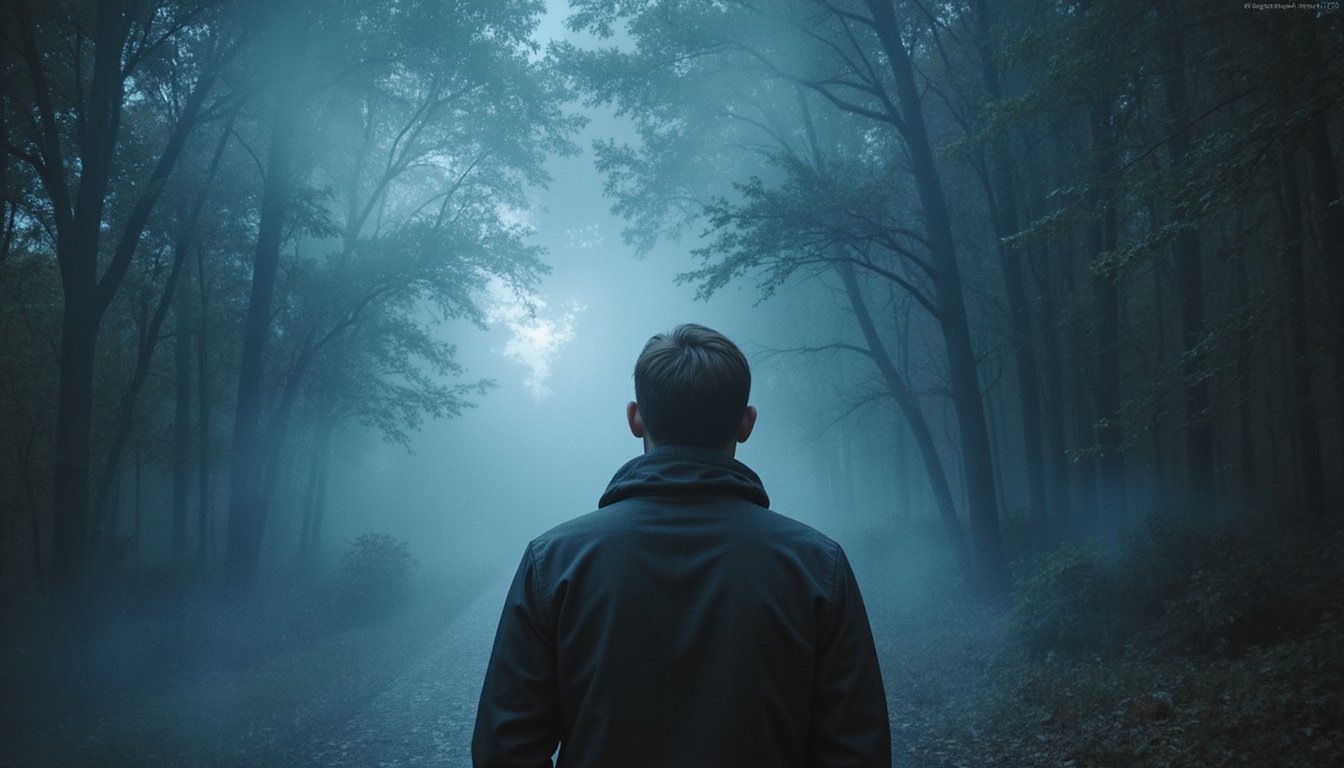
As psilocybin takes effect, you’ll likely notice visual changes before more complex hallucinations emerge. Initial visual distortion shrooms effects include enhanced color saturation, brightness, and halos around lights. You may perceive geometric patterns, grids, and fractals overlaying your surroundings. Surfaces can appear to ripple or breathe, while static objects seem to melt or morph unpredictably.
At higher doses, your psilocybin experience description expands to include complex scenes, architectural spaces, and perceived entities. Faces may appear exaggerated or blended with environmental patterns. These visual effects arise from increased synchrony in visual regions where psilocybin enhances neural coordination underlying imagery generation. Research shows that psilocin particularly impairs the ability to distinguish static from moving visual stimuli, contributing to the characteristic illusion of motion in stationary images. Studies examining how visual memories influence perception suggest that your brain’s predictive processes reshape what you see in real-time. Auditory perception becomes similarly altered, sounds feel richer and spatially expanded. You might experience synesthesia, where sounds manifest as colors or shapes. Time-related audio distortions like echoing or stretching are common. These multisensory effects intensify with dosage and individual sensitivity, creating unified hallucinatory experiences shaped by your expectations and emotional state.
Tactile & Sensory Distortions
You’ll likely experience heightened touch sensitivity and altered texture perception as psilocybin modulates sensory processing in your brain. Your body awareness may shift dramatically, you might feel your limbs as unusually heavy, light, or disconnected from your sense of self. Additionally, your perception of time and spatial boundaries can distort remarkably, making distances feel compressed or extended and temporal intervals feel nonlinear. Low doses can induce closed-eye hallucinations and synesthesia, further blending your sensory experiences across different perceptual channels. These visual and auditory distortions typically become noticeable within an hour of consumption and peak during the middle portion of your experience.
Touch Sensitivity & Texture Perception
Psilocybin can noticeably alter tactile perception by modulating serotonergic signaling in sensory cortices, leading to heightened touch sensitivity and distorted texture recognition. You might experience ordinary surfaces, like fabric or skin, as unusually pronounced or alien. Sensory distortion shrooms create synesthetic effects where textures feel like they’re producing sounds or colors. Your ability to distinguish between rough and smooth may become unreliable, with textures seeming to shift unpredictably.
These alterations stem from psilocybin‘s interaction with 5-HT2A receptors, which regulate sensory gating and integration. You’ll find that tactile discrimination becomes imprecise, and normally neutral sensations may feel intensified or uncomfortable. Research indicates that psilocybin increases functional connectivity across distributed brain networks, which may contribute to the integration of tactile information in unexpected ways. These changes reflect how psychedelics increase communication between emotional and sensory processing networks, fundamentally reshaping how your brain processes touch. Individual responses vary greatly based on dosage and personal neurobiology. Understanding these potential tactile distortions helps you prepare appropriately for the experience.
Body Awareness & Physical Sensations
Alterations in body awareness represent one of psilocybin’s most pronounced neurophysiological effects, stemming from modulated activity in the insula and somatosensory cortex. You may experience dissociation from your physical form or heightened proprioceptive sensitivity, where your limbs feel unfamiliar or disproportionately sized. Psychedelic body effects often include tingling sensations, heaviness, or lightness throughout your torso and extremities. Your psilocybin effects may manifest as altered temperature perception, making you feel simultaneously hot and cold. Some users report vibrations coursing through their body or a dissolving sensation of physical boundaries. These neurochemical changes don’t indicate harm but reflect temporary reorganization of sensory processing. Duration typically correlates with dosage, peaking within 2-3 hours. Individual variation remains substantial, your baseline neurochemistry profoundly influences intensity and character of bodily sensations. These sensory distortions vary based on user’s mental state, personality, and immediate environment, which can significantly shape the overall quality of physical sensations experienced. The magnitude of sensory changes tracks with the intensity of your subjective experience during the psilocybin experience.
Time & Space Distortion
As psilocybin modulates activity across brain regions governing temporal and spatial processing, your perception of time’s passage and environmental geometry can shift dramatically. Minutes stretch into subjective eternities while seconds blur together. You might perceive rooms as impossibly vast or claustrophobically compressed, with walls appearing to breathe or curve. Distances become unreliable, nearby objects recede while distant ones advance unnaturally close. Straight edges undulate, and depth perception fluctuates as foregrounds and backgrounds merge. What does tripping on shrooms feel like sensorially? Touch sensations amplify or delay, creating synesthetic experiences where textures seem visual and sounds gain spatial dimension. Your body’s boundaries soften against environmental surfaces. These distortions reflect disrupted multisensory integration, where sight, sound, and touch lose temporal alignment, anchoring you in disorienting sensory space. The desynchronization of neuronal populations across association cortex further destabilizes your ability to construct coherent spatial representations. Research indicates that psilocybin impairs the brain’s ability to accurately accumulate duration signals, resulting in the characteristic subjective elongation of time intervals and difficulty discriminating between different time periods. These effects on time and space perception can persist for weeks after high doses, fundamentally altering how you experience your relationship to the physical world.
Emotional & Mood Changes
During a psilocybin experience, you’ll likely notice rapid and unpredictable shifts in your emotional state. What does shrooms feel like emotionally? Your mood can fluctuate between euphoria, introspection, anxiety, or tranquility within minutes. How do shrooms make you feel depends on your neurochemistry and psychological state entering the experience.
What it’s like to be on shrooms involves heightened emotional sensitivity, where minor stimuli trigger intense responses. Psilocybin binds to serotonin receptors, amplifying emotional processing and potentially revealing suppressed feelings. These emotional shifts may generate positive affect and empathy that can sustain therapeutic benefits beyond the immediate experience. Research has demonstrated that psilocybin modulates neural circuits implicated in affective disorders, contributing to its therapeutic potential.
Shrooms emotional effects vary considerably. Some users report profound insights and emotional catharsis, while others experience psychological discomfort or existential anxiety. Your emotional trajectory depends on dosage, set, and setting. These rapid mood fluctuations can feel disorienting, making emotional preparation and a supportive environment critical for managing your response safely.
Cardiovascular & Thermoregulatory Effects

During psilocybin’s acute effects, you’ll likely experience heightened heart rate and blood pressure within 1, 2 hours, typically rising 10, 30 beats per minute above baseline as serotonergic activation triggers sympathomimetic responses. Simultaneously, you may notice increased body temperature, perspiration, and piloerection as your autonomic nervous system shifts toward sympathetic dominance, reflecting the compound’s mixed effects on thermoregulation. These cardiovascular and thermoregulatory changes generally resolve as the acute effects subside, though monitoring becomes important if you have pre-existing cardiac risk factors. The 5-HT2A receptor agonism underlying these responses also raises concerns about potential effects on platelet aggregation and vascular reactivity that warrant further clinical investigation. In rare cases, psilocybin has been associated with serious cardiac complications, including Takotsubo cardiomyopathy and cardiac arrest, particularly in individuals with underlying cardiovascular conditions or those taking medications that interact with serotonergic pathways.
Heart Rate & Blood Pressure
When you consume psilocybin, your cardiovascular system typically responds with measurable changes in heart rate and blood pressure elevation. These physiological shifts occur as the compound interacts with your serotonin receptors, triggering systemic adjustments.
Clinical observations document the following cardiovascular responses:
- Heart rate increases ranging from 10-20% above baseline during peak effects
- Blood pressure elevation occurring within 30-60 minutes post-ingestion
- Heightened sympathetic nervous system activation affecting cardiac output
- Gradual normalization of essential signs as effects subside over 4-6 hours
You’ll experience these changes alongside psychological effects, though cardiovascular responses remain largely independent of subjective experience intensity. Individual variation depends on dosage, body weight, and baseline cardiovascular health. Monitoring these parameters helps assess your physiological response profile during psilocybin administration. Moreover, understanding the differences between microdosing psilocybin vs full dose can inform users about the potential benefits and risks associated with each approach. While microdosing may yield subtle improvements in mood and creativity, a full dose typically elicits profound introspective experiences and alterations in perception.
Body Temperature & Perspiration
Beyond the cardiovascular adjustments documented in heart rate and blood pressure, psilocybin also disrupts your body’s thermoregulatory system, often producing noticeable changes in temperature sensation and perspiration.
You may experience unpredictable fluctuations where you feel alternately hot and cold, independent of ambient temperature. Many users report increased sweating, particularly on the palms, forehead, and torso. These thermoregulatory shifts occur because psilocybin modulates serotonin signaling in the hypothalamus, which regulates body temperature homeostasis.
Understanding what do shrooms feel like includes recognizing that perspiration increases don’t necessarily indicate physical exertion or anxiety, they’re direct physiological responses to the compound’s neurochemical effects. The intensity and duration vary considerably among individuals. Staying hydrated and wearing temperature-adaptive clothing helps manage these sensations during your experience.
Gastrointestinal & Physical Discomfort
Many users report gastrointestinal distress within the first 30-90 minutes of psilocybin ingestion, with symptoms including nausea, stomach cramping, and changes in appetite. These mushroom trip sensations occur because psilocybin affects serotonin receptors throughout your digestive system, not just your brain.
Common physical discomforts you might experience include:
- Nausea and mild vomiting, particularly when consuming whole mushrooms
- Stomach cramping and abdominal tension lasting 1-3 hours
- Appetite suppression or unusual food aversions during the experience
- Dry mouth and increased thirst
The severity depends on dosage, consumption method, and your baseline digestive sensitivity. Taking psilocybin on an empty stomach may intensify nausea, while ginger tea or light meals beforehand sometimes provide relief. Most gastrointestinal effects subside as the experience progresses.
Neurological & Perceptual Processing

Psilocybin’s perceptual effects emerge from coordinated changes across multiple brain systems, particularly through disruption of your default mode network, the brain regions that normally maintain self-referential thinking and filter incoming sensory information. When psilocin binds to 5-HT2A receptors on cortical neurons, it amplifies glutamate release and weakens top-down predictive filtering. This allows bottom-up sensory signals to dominate, intensifying your awareness of patterns, colors, and subtle stimuli. Simultaneously, widespread network desynchronization increases brain entropy, expanding your neural repertoire and enabling more flexible perception. How do mushrooms make you feel? This neurological reorganization explains heightened sensory vividness, altered thought patterns, and the sense of ego dissolution, your brain fundamentally reorganizes how it processes and interprets reality.
Timeline: When Effects Appear and Fade
The psilocybin experience unfolds across a predictable yet individually variable timeline, beginning with the onset phase approximately 20 to 40 minutes after oral ingestion. Several factors influence this progression:
- Intensification (1-2 hours): Effects steadily increase as psilocin reaches peak concentrations, producing pronounced visual distortions and heightened auditory perception.
- Peak experience (1.5-2.5 hours): Maximum psychoactive effects occur between 60 to 130 minutes, characterized by vivid hallucinations and profound introspection.
- Decline phase (3-6 hours): Effects gradually fade with fluctuating intensity waves, though visual and emotional hallucinations persist weakly.
- Afterglow (6+ hours): Residual effects persist as a calm, reflective state, with psychological effects potentially extending days or weeks beyond acute experience.
Stomach content and individual metabolism markedly affect timing variability.
Long-Term Changes Beyond the Acute Experience
While the acute effects of psilocybin typically resolve within 24 hours, emerging research suggests that a single experience can catalyze measurable changes in brain function and psychological well-being that persist long afterward. You may experience sustained shifts in emotional processing, with some individuals reporting increased emotional openness months post-experience. Neuroimaging studies indicate that psilocybin promotes neuroplasticity, your brain’s capacity to form new neural connections. You might notice enhanced cognitive flexibility and altered perspective patterns persisting beyond the acute window. Some research suggests potential therapeutic benefits for depression and anxiety, though effects vary considerably. You should recognize that while many report positive outcomes, individual responses differ substantially, and long-term psychological impacts remain an active area of scientific investigation. Additionally, as the field of psychedelic research evolves, there is growing interest in how psilocybin could complement existing detoxification treatment options for various mental health conditions. Integrating psilocybin into therapeutic protocols might not only address acute symptoms but also enhance long-term recovery by fostering new coping mechanisms.
Frequently Asked Questions
How Do Psilocybin Effects Differ Between First-Time Users and Experienced Users?
You’ll likely experience more intense sensory distortions and anxiety during your first psilocybin use, as your brain hasn’t adapted to serotonergic changes. As you gain experience, you’ll develop greater emotional regulation and cognitive integration of altered states. Experienced users typically report more controlled introspection and reduced psychological distress. However, you’re never entirely predictable, individual neurochemistry, set, and setting continue influencing each experience regardless of prior exposure.
Can Psilocybin Interactions With Medications Cause Dangerous or Harmful Reactions?
Yes, you should know that psilocybin can cause dangerous interactions, particularly with serotonergic medications like SSRIs, MAOIs, and certain antidepressants. You’re at risk for serotonin syndrome, a potentially life-threatening condition causing agitation, rapid heartbeat, and hyperthermia. You’ll also face heightened risks combining psilocybin with stimulants or medications affecting blood pressure. You should consult your healthcare provider before use, as you cannot safely predict individual pharmacological responses without professional medical assessment.
What Safety Precautions Should Someone Take Before Using Psilocybin?
You should verify you’re not taking medications that interact with serotonin receptors before using psilocybin. You’ll want to screen for personal or family history of psychosis or schizophrenia. You must establish a controlled environment with trusted individuals present. You should start with low doses to assess your individual response. You’ll need to avoid driving or operating machinery. You should consult healthcare providers about your specific medical history and contraindications beforehand.
How Do Set and Setting Influence the Overall Psilocybin Experience Quality?
Your mindset and environment fundamentally shape psilocybin’s effects. You’ll experience more meaningful, less distressing sessions when you’re mentally stable, have clear intentions, and prepare thoroughly. You’ll also benefit greatly from calm, aesthetically comforting spaces with trusted facilitators present. Your expectations, cultural context, and the presence of structured therapeutic support directly influence whether you encounter mystical insights or psychological difficulty. You’re inherently co-creating your experience through these contextual factors.
What Psychological Risks or Challenging Experiences Might Occur During a Trip?
You might experience anxiety, paranoia, or panic when psilocybin intensifies emotional processing. You could face distressing thought patterns or feel temporarily disconnected from reality. These “difficult trips” can trigger underlying psychological vulnerabilities, particularly if you’ve got predispositions to mood disorders. You’ll also risk emotional overwhelm from rapid mood shifts. Recovery typically occurs post-experience, though integration support helps. Pre-existing mental health conditions and inadequate preparation drastically increase your risk of psychological distress.