



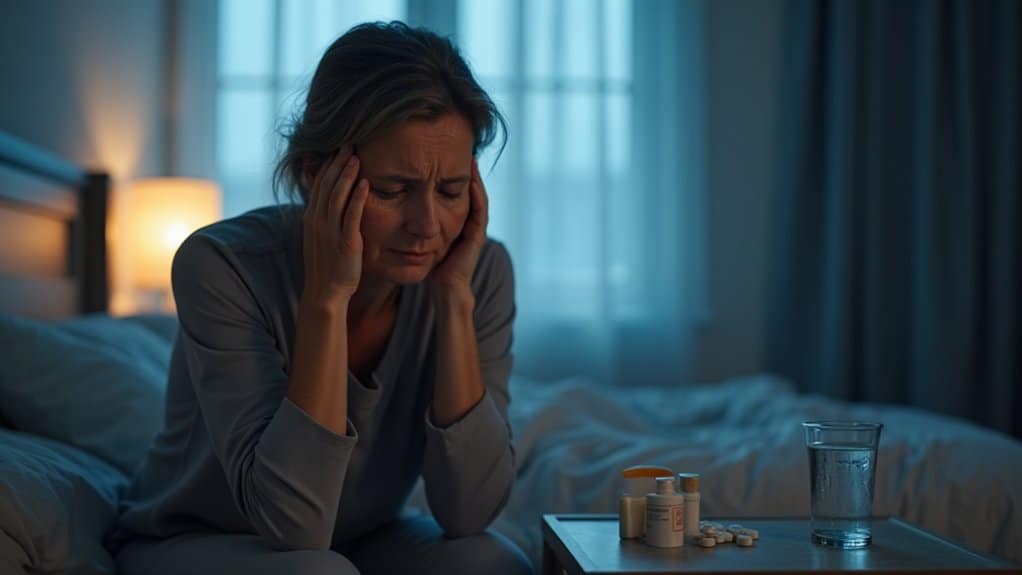


When you mix clonazepam and alcohol during withdrawal, you’re facing compounded CNS depression that can trigger life-threatening respiratory failure. Both substances amplify GABA-A receptor activity, causing excessive neuronal suppression that disrupts breathing centers in your brainstem. You’ll also experience dramatically elevated seizure risks as your glutamate system surges during dual withdrawal. Over two-thirds of ICU admissions for this combination require mechanical ventilation. Understanding the full scope of these dangers can help protect your recovery.
How Clonazepam and Alcohol Compound CNS Depression During Withdrawal

When you combine clonazepam and alcohol during withdrawal, you’re doubling down on the same neurological pathway. Both substances potentiate GABA-A receptor activity, creating excessive neuronal hyperpolarization that suppresses brain excitatory signals beyond safe levels. Your already depleted GABA system becomes further desensitized, while glutamate hyperactivity remains unopposed.
This disrupted neurotransmitter balance produces profound CNS depression. You’ll experience dangerous respiratory slowing, cardiac suppression, and severe hypoventilation as efferent neuron activity plummets. The sedation intensifies beyond therapeutic intent, increasing overdose risk tremendously. Severe cases can progress to delirium tremens and life-threatening seizures when the CNS becomes critically destabilized.
Cross-tolerance between these substances accelerates dependence. Because both target identical receptor sites, you’re creating amplified tolerance buildup that complicates your detox progress. Rebound effects become unpredictable when the drugs metabolize at different rates, heightening withdrawal severity and prolonging recovery.
Elevated Seizure Risks When Combining Both Substances in Detox
The compounded CNS depression discussed above sets the stage for one of withdrawal’s most dangerous complications: seizures.
When you stop using both clonazepam and alcohol simultaneously, your brain experiences severe rebound hyperexcitability. Understanding withdrawal seizure dynamics is critical, seizures typically emerge 12-36 hours after your last drink, but combining benzodiazepine cessation amplifies this risk exponentially. Your brain’s glutamate system surges while GABA suppression rebounds, creating uncontrolled electrical activity that can trigger grand mal seizures. This occurs because prolonged alcohol exposure causes the brain to overproduce adrenaline and other hormones, which intensifies the hyperexcitable state when both substances are abruptly stopped.
Cross-tolerance between these substances means your seizure threshold drops dramatically during dual withdrawal. Medical detoxification protocols are essential because unsupervised detox can prove fatal. Symptom-triggered benzodiazepine therapy and gradual tapering over 15 days considerably reduce seizure incidence. If you’ve experienced prior withdrawal seizures or have epilepsy, hospitalization becomes non-negotiable for safe recovery. During medically supervised detox, staff perform neurological checks for signs of impending seizures to ensure timely intervention.
Respiratory Failure and Overdose Dangers During the Withdrawal Process

Because both clonazepam and alcohol amplify GABA activity in your brainstem’s respiratory centers, combining these substances during withdrawal creates life-threatening breathing suppression. Clonazepam’s active metabolites persist for up to 200 hours, prolonging your risk of respiratory failure even after your last dose.
Research shows over two-thirds of ICU admissions for benzodiazepine-treated alcohol withdrawal require mechanical ventilation. You face elevated delirium risk when sedation deepens uncontrollably, and hypoxia from respiratory insufficiency triggers sudden cardiac events in approximately 4.5% of critical cases. Respiratory insufficiency and somnolence were the most common reasons for ICU admission, each accounting for 39% of cases in patients receiving symptom-triggered benzodiazepine treatment.
Your 90-day mortality risk reaches 21% when oversedation occurs during treatment. Hepatic impairment or advanced age further delays metabolite clearance, intensifying overdose-like effects. These polysubstance interactions remain unpredictable due to individual CYP metabolism variations, making professional medical monitoring essential throughout your withdrawal process. The compounded depressive effects on your central nervous system can escalate to life-threatening conditions such as coma or even death when these substances interact during the vulnerable withdrawal period.
Why Polysubstance Withdrawal Requires Supervised Medical Management
Respiratory risks from clonazepam-alcohol interactions represent just one layer of the polysubstance withdrawal challenge you’ll face without proper medical oversight. Research shows polysubstance use carries a three-fold higher mortality rate compared to single-substance dependence, making 24-hour medical supervision essential.
Your withdrawal timeline extends beyond the standard 5-10 day detox period when multiple substances are involved. Medical teams must coordinate progressive reduction of each substance while monitoring unpredictable symptom interactions. Treatment program coordination becomes critical as 11.3% of individuals with substance use disorders have concurrent alcohol and drug dependencies requiring simultaneous management. Studies indicate that drug misuse largely involves an average of 3.5 substances, which further complicates withdrawal protocols and medication management strategies.
Specialized centers address your nutritional supplementation needs, provide intravenous hydration, and deliver crisis intervention when complications arise. With nearly 40% of non-fatal overdose emergency visits involving polysubstance use, professional oversight considerably reduces your risk of life-threatening outcomes. Research demonstrates that sedative use during treatment is associated with increased opioid craving, highlighting the importance of comprehensive monitoring during withdrawal from multiple substances.
Cognitive Impairment and Memory Loss Complications During Recovery

When you’re recovering from combined clonazepam and alcohol use, memory blackouts pose a significant threat to your safety and daily functioning. Research shows that mixing these substances causes severe memory impairment through enhanced GABA activity, making it difficult for you to form new memories or recall recent events. This impaired judgment increases your risk of accidents and poor decision-making during the critical recovery period, which is why professional monitoring remains essential. Studies indicate that cognitive dysfunction can persist even at 6 to 10 months after discontinuation, meaning recovery may take longer than expected. Cognitive Rehabilitation Therapy and engaging in mental exercises can help support your brain’s recovery as you work through the withdrawal process.
Memory Blackouts During Recovery
Memory blackouts can carry over into recovery, creating significant challenges as you work to rebuild cognitive function after stopping clonazepam and alcohol. The protracted amnesia risk persists because mixing these substances amplifies GABA effects, damaging memory formation pathways. Research shows progressive cognitive decline affects approximately 21% of long-term users across all cognitive domains.
| Recovery Phase | Memory Status | Expected Challenges |
|---|---|---|
| 0-6 months | Impaired | Episodic memory deficits |
| 6-10 months | Partially impaired | Recall difficulties persist |
| 10+ months | Variable recovery | Uncertain baseline return |
You’ll likely experience difficulty storing and retrieving personal experiences during early recovery. Studies confirm dysfunction in multiple cognitive domains continues at least six months post-withdrawal. Poor memory and concentration are characteristic features of benzodiazepine withdrawal that can intensify these challenges. Professional guidance supports your recovery, though researchers remain uncertain whether cognitive function fully returns to pre-use levels.
Impaired Judgment Risks
Your ability to make sound decisions faces significant challenges during recovery from combined clonazepam and alcohol use. Research shows 21% of long-term benzodiazepine users experience cognitive impairment across multiple domains, including executive function, verbal reasoning, and problem-solving capabilities.
When clonazepam and alcohol interact, amplified GABA effects create severe impairment in coordination and reasoning. This combination leads to increased safety concerns, as 32% of benzodiazepine-related emergency visits result in serious long-term consequences.
You’ll likely face a delayed recovery timeline, with cognitive deficits persisting 6-10 months after discontinuation. Planning, decision-making, and concentration difficulties interfere with daily functioning, making familiar situations confusing. Decreased mental sharpness compromises your judgment when traversing recovery decisions. Professional guidance becomes essential to manage these prolonged impairments and reduce risks associated with impaired cognitive function.
Long-Term Health Consequences of Mixing Clonazepam and Alcohol While Detoxing
Although the immediate dangers of combining clonazepam and alcohol during detox demand urgent attention, the long-term health consequences can reshape your life for years to come.
When you mix these substances chronically, you’re exposing yourself to:
- Long term organ damage affecting your liver, heart, and neurological systems
- Elevated emotional struggles including worsening depression, anxiety, and cognitive decline
- Heightened addiction risk requiring increasingly higher doses for the same effects
- Persistent memory problems and blackouts that compromise daily functioning
Research from SAMHSA’s 2014 study reveals that 32% of benzodiazepine-related emergency visits result in lasting consequences or death. Your body’s ability to metabolize drugs diminishes as liver function declines, creating a dangerous cycle. Chronic alcohol exposure disrupts GABA neurotransmitter balance, further increasing vulnerability to anxiety, depression, and dependency even after detox ends. These compounding effects don’t resolve quickly, they accumulate, fundamentally altering your physical and mental health trajectory.
Frequently Asked Questions
How Long Does Clonazepam Stay in Your System After Your Last Dose?
Clonazepam typically stays in your system for 6-14 days after your last dose. The elimination timeframe depends on the drug’s 30-40 hour half life variation, meaning your body eliminates half the medication every 30-40 hours. However, detection windows vary by test type, urine tests can detect it up to 30 days with chronic use. Your metabolism, liver function, body fat percentage, and dosage history all influence how quickly you’ll clear the medication completely.
Can I Drink Alcohol Weeks After Stopping Clonazepam Safely?
You shouldn’t drink alcohol weeks after stopping clonazepam without medical guidance. Clonazepam’s 30-40 hour half-life means residual amounts remain in your system for weeks, and combining them risks intensified sedation, respiratory depression, and seizures. Your doctor should assess your individual clearance timeline before you consider any alcohol consumption. If you’ve used alcohol regularly, you’ll need careful dosage monitoring and gradual alcohol reduction under professional supervision to minimize dangerous interactions and withdrawal complications.
What Are the Signs of Polysubstance Addiction to Clonazepam and Alcohol?
You’ll recognize polysubstance addiction through distinct withdrawal symptoms like tremors, seizures, nausea, and delirium tremens appearing 2-5 days after stopping use. Substance dependency patterns show as escalating tolerance, cravings for either drug during detox, and needing higher doses for effects. Watch for behavioral signs including agitation, insomnia, and euphoria-seeking behavior. Psychological indicators involve hallucinations, anxiety, memory problems, and depression. Dependency can form within 24 hours to weeks of combined use.
Does Mixing Clonazepam and Alcohol Cause Permanent Liver Damage?
Mixing clonazepam and alcohol doesn’t typically cause permanent liver damage from a single instance. However, you face potential for liver toxicity when combining these substances repeatedly, as alcohol chronically damages your liver while clonazepam metabolism becomes impaired. The more immediate danger is the increased risk of overdose from compounded CNS depression. Chronic alcohol use, not acute mixing, primarily drives irreversible conditions like cirrhosis. Your liver enzymes may elevate temporarily but often normalize with abstinence.
How Does Tolerance to Both Substances Develop When Used Together?
When you use clonazepam and alcohol together, cross tolerance development accelerates because both substances enhance GABA activity at the same receptors. Your brain adapts to this amplified inhibition, requiring higher doses of each to achieve previous effects. The synergistic effects compound this process, alcohol impairs your judgment, leading you to take more clonazepam, while clonazepam’s 30-40 hour half-life prolongs interactions with subsequent alcohol consumption, rapidly escalating tolerance toward dependence.