






Recovery from opioid overdose in residential rehab combines medical stabilization, detox management, and medication-assisted treatment to reduce your overdose risk by 76%. You’ll receive thorough care through an integrated approach of behavioral therapy, counseling support, and medication protocols like buprenorphine or methadone. The initial 5-14 days focus on medical stabilization, followed by skill development and relapse prevention training. Success rates increase considerably when you commit to extended treatment programs with ongoing support.
Understanding Post-Discharge Overdose Risks

Understanding post-discharge overdose risks requires recognizing the critical vulnerabilities patients face when moving from residential treatment back to their communities. Research indicates a 7-fold increase in overdose risk during the first week after discharge, with rates reaching 5,143 per 100,000 person-years. This heightened risk persists for 30 days post-discharge, particularly among those with prior substance use disorders or mental health conditions. Leaving treatment against medical advice increases mortality risk by 10.1 times. Studies show that patients on long-term opioid therapy face significantly elevated overdose dangers during this transition period. Data indicates that young male patients are particularly susceptible to leaving treatment before medical completion. Recently released incarcerated individuals experience ten times higher risk of opioid overdose compared to the general population.
Effective intervention strategies include implementing targeted naloxone distribution programs, establishing transitional care protocols, and ensuring continuity of medication-assisted treatment. Special attention must focus on patients with comorbid conditions, previous overdose history, or unstable housing situations, as these factors considerably amplify post-discharge vulnerability. Coordinated care planning between residential and outpatient providers remains essential for risk reduction.
The Role of Residential Treatment in Recovery
While residential treatment represents a critical intervention for opioid use disorder, only 7% of Medicaid enrollees access these intensive programs due to geographic, financial, and capacity constraints. Young adults aged 18-25 have seen treatment admissions increase 350% for prescription opioid dependence over a decade. The therapeutic environment offers significant residential benefits, with completion rates reaching 88% across patient groups. Following the Minnesota Model, patients receive comprehensive care combining motivational enhancement and cognitive-behavioral therapy. You’ll find structured support that enhances psychological resilience through improved self-efficacy and coping mechanisms. Access to these vital services varies dramatically by location, with some states showing residential treatment rates as low as 0.3%.
Residential treatment programs show remarkable 88% completion rates while building essential coping skills, yet remain inaccessible to many who need them most.
Key elements of the residential recovery process include:
- Physical stabilization in a controlled setting
- Intensive behavioral skill-building sessions
- Structured psychiatric symptom management
- Integration of 12-step programming
Research shows that 42.5% of opioid-dependent individuals achieve complete abstinence at 6 months post-treatment. When combined with medications for opioid use disorder (MOUD), residential programs serve as effective bridges to long-term recovery, reducing overdose risk by 76% within three months.
Key Demographics and Risk Factors

Males experience markedly higher opioid overdose risks than females across all age groups, particularly during the first year of recovery when relapse potential peaks. You’ll find that racial disparities play an essential role in treatment outcomes, with White individuals showing higher relapse rates in early recovery despite better initial access to care. If you’re examining mental health correlations, the data reveals that co-occurring psychiatric conditions strongly influence recovery trajectories, especially among those in residential treatment settings. The rise of illicit fentanyl since 2013 has dramatically increased the dangers of relapse during recovery. Research indicates that individuals typically spend 8 to 9 years using opioids before successfully achieving cessation of use. Recent data shows that 3 in 5 deaths could have been prevented with timely intervention and proper care before the fatal overdose event.
Males Face Higher Risk
Recent epidemiological data reveals that men face 2-3 times higher mortality rates from opioid and stimulant overdoses compared to women in the United States. This disparity stems from complex interactions between biological vulnerabilities and social factors, including gender norms that may discourage help-seeking behaviors. In 2021, nearly 107,000 people died from drug overdoses across the nation. A comprehensive systematic review approach has helped researchers better understand these concerning trends among young populations. Notably, racial disparities have emerged with Black individuals experiencing a 44% increase in overdose death rates from 2019 to 2020.
Key risk factors that contribute to heightened male vulnerability include:
- Polysubstance use involving dangerous substance interactions between opioids and stimulants
- Higher frequency of drug administration combined with unstable housing conditions
- Concurrent psychiatric conditions that often go untreated due to delayed intervention
- Exposure to contaminated street drugs containing lethal synthetic compounds
These factors create a perfect storm that can’t be explained by usage rates alone, suggesting that male-specific intervention strategies are essential for effective overdose prevention and recovery in residential rehabilitation settings.
Race Impacts Recovery Outcomes
Beyond gender disparities, racial and ethnic background greatly shapes opioid recovery outcomes in residential rehabilitation settings. Black patients consistently receive fewer post-discharge resources and treatment referrals compared to white patients, with referral rates of 5.7% versus 9.6%. These race disparities extend across multiple dimensions of care, from medication access to support services. Notably, middle-aged Black individuals have experienced some of the highest increases in overdose death rates, with those aged 45-54 seeing rates more than double from 19.3 to 41.9 per 100,000. Multiple drug involvement makes treatment more complex, with drug combinations present in 71% of African American overdose deaths.
You’ll find particularly stark statistics among American Indian populations, who face overdose death rates seven times higher than whites in Minnesota. The lack of cultural competency in treatment programs and limited funding for community-based interventions further compounds these challenges. Programs with diverse staff members show better outcomes in delivering treatment services to communities of color. Systemic barriers, including socioeconomic gaps and geographic limitations, continue to impact recovery success rates for communities of color, while insufficient data collection, especially for American Indian/Alaska Native populations, masks the true extent of these disparities.
Mental Health Correlation Patterns
Although mental health disorders affect many individuals with substance use disorders, the correlation patterns in opioid overdose recovery reveal particularly concerning statistics. Nearly 60% of opioid users with pre-existing mental health diagnoses face heightened overdose risks, while 67.2% report suicidal thoughts when struggling with dual diagnoses. The average age of 36.5 years old represents the typical demographic most impacted by these overlapping conditions.
During overdose recovery, you’ll encounter these critical mental health patterns:
- Depression emerges as the dominant co-occurring disorder, increasing overdose risk by 3.12 times
- 63.7% of individuals with dual diagnoses engage in polysubstance use
- 53.8% of survivors experience acute psychiatric distress unrelated to substance use
- Women represent 40% of overdose fatalities when mental health disorders are present
Integrated treatment approaches combining harm reduction and medication-assisted treatment can reduce fatal overdoses by 36.6%, emphasizing the necessity of thorough mental health care during recovery.
Comparing Treatment Approaches and Outcomes
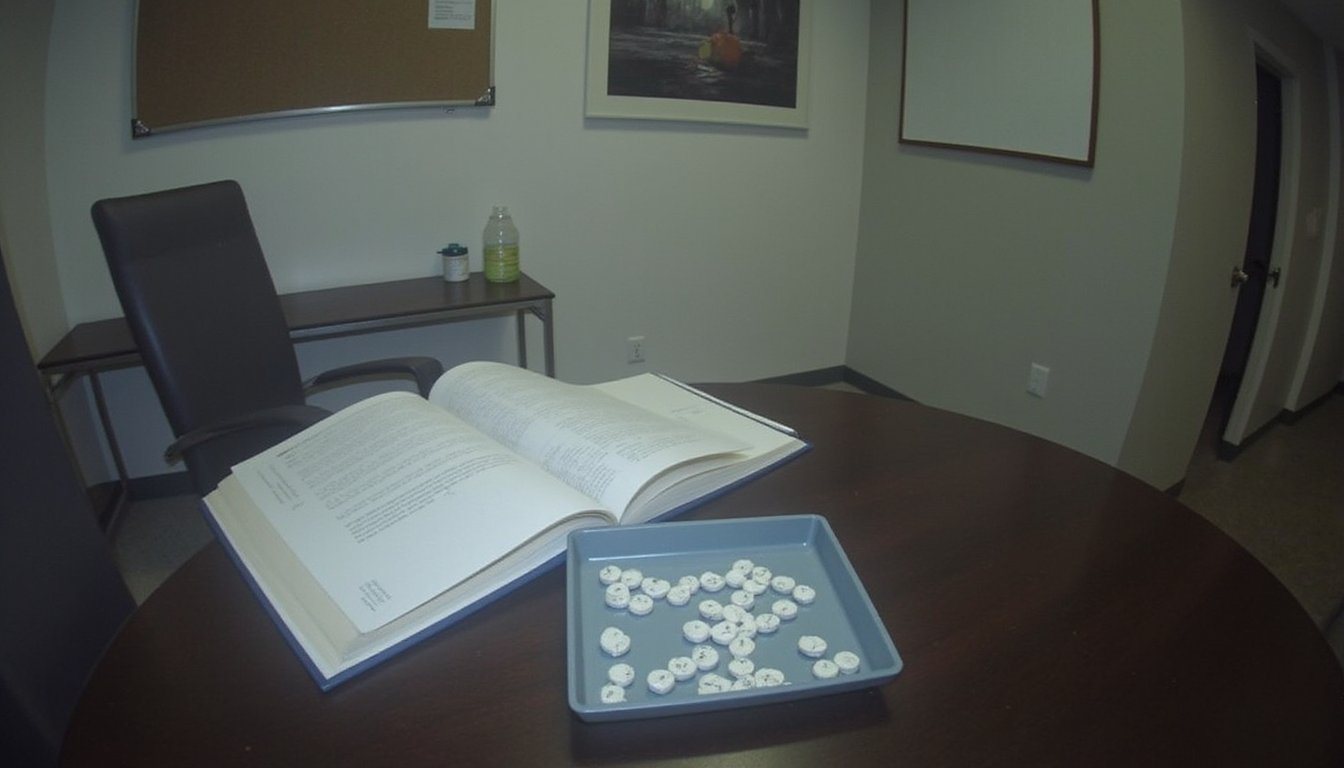
The evolving landscape of opioid overdose treatment has led to integrated approaches combining harm reduction with traditional abstinence models. Treatment comparisons show that MAT, particularly buprenorphine and methadone, notably reduces illicit opioid use when initiated post-overdose. You’ll find that outcome evaluations demonstrate higher success rates when residential programs incorporate both pharmaceutical interventions and extensive counseling support.
Your treatment options may include flexible buprenorphine administration through dissolvable tablets or films, while methadone requires more structured clinical oversight. CBT and peer support networks enhance recovery outcomes, especially when combined with medication. For ideal results, you’ll benefit from programs that address both immediate medical needs and long-term recovery through warm handoffs to community services, employment support, and trauma-informed care approaches.
Navigating Different Phases of Recovery
When patients enter residential rehabilitation after an opioid overdose, they progress through distinct recovery phases that require careful navigation and support. Each phase demands specific emergency interventions and coping strategies tailored to your recovery journey.
- You’ll begin with medical stabilization, including detox management and naloxone protocols for 5-14 days under close supervision.
- You’ll shift to medication-assisted treatment, where you’ll receive carefully selected MOUDs like buprenorphine or methadone.
- You’ll engage in behavioral therapy and skill development, learning stress management techniques and building peer support networks.
- You’ll prepare for life after rehab through relapse prevention training and family reintegration planning.
This structured approach guarantees you’re equipped with both medical support and psychological tools necessary for sustained recovery, greatly reducing your risk of readmission.
Measuring Success in Residential Programs
Measuring success in residential rehabilitation programs requires examining multiple evidence-based metrics, from completion rates to long-term sobriety outcomes. Success metrics show that 43% of participants complete treatment, with an additional 16% transferring to other facilities. You’ll find that treatment adherence is significantly higher in residential settings, particularly with extended stays.
The data indicates impressive long-term outcomes, with 85-95% of program completers maintaining abstinence beyond nine months. You’ll see better results when treatment combines medication-assisted approaches with counseling services, achieving a 41% success rate specifically for opioid cases. Service intensity plays an essential role, as those who engage in thorough support services, including mutual-help groups and continued medication management, demonstrate lower relapse rates and sustained recovery.
Frequently Asked Questions
What Daily Activities and Therapies Are Included in Residential Rehab Programs?
You’ll participate in structured daily activities combining individual counseling and group therapy sessions. Your schedule includes cognitive behavioral therapy, mindfulness practices, and skill-building workshops. You’re engaged in physical wellness activities, nutritional education, and therapeutic recreation. Throughout the day, you’ll attend peer support meetings, receive medication management if prescribed, and join holistic therapies like art or music sessions. Regular medical check-ups monitor your progress and adjust treatment accordingly.
How Much Does Residential Rehab Typically Cost for Opioid Addiction Treatment?
You’ll find that residential rehab costs for opioid addiction treatment typically range from $6,000 to $30,000 for a 30-day program. If you need extended care, costs can reach $80,000+ for longer stays. Insurance coverage can greatly reduce your out-of-pocket expenses, and many facilities offer flexible payment options including sliding-scale fees, payment plans, and state funding. Remember that additional services like medical detox ($250-$900 daily) and admission fees ($3,000-$4,000) may increase total costs.
Can Family Members Visit During Residential Treatment for Opioid Addiction?
Yes, you can receive family visits during residential treatment, but they’ll be subject to strict visitation policies. Initially, you won’t have visitors during detox and early stabilization (typically 1-4 weeks). Once approved, your family support can include scheduled visits in supervised areas after your therapist’s approval and signed releases. You’ll need to maintain approved visitor lists, and your family members may need to participate in educational programs or support groups to facilitate visits.
What Personal Items Are Allowed in Residential Rehab Facilities?
When packing your personal belongings for residential rehab, you’ll typically be allowed to bring essential toiletries, comfortable clothing, and important documents. Allowed items usually include your ID, insurance cards, prescription medications in original containers, basic hygiene products, and modest clothing without offensive logos. You’ll need to check specific facility policies, as some may restrict certain items like electronics, outside food, or products containing alcohol. Always verify the packing list beforehand.
How Do Residential Rehabs Handle Withdrawal Symptoms During the First Week?
During your first week, you’ll receive thorough withdrawal management through a structured protocol. You’ll get 24/7 medical monitoring of your essential signs, medication-assisted treatment to ease symptoms, and immediate intervention for severe discomfort. Your care team will provide medications for specific symptoms like nausea or anxiety. You’ll also participate in support groups to address psychological challenges. The facility’s medical staff will continuously adjust your treatment plan based on your response and needs.