






Early alcohol withdrawal symptoms emerge within 24 hours and shouldn’t be ignored. You’ll likely experience headaches, sweating, and hand tremors within 6-12 hours after your last drink, followed by nausea and increased heart rate. Watch for anxiety, confusion, and severe shaking, as these can signal dangerous complications. If you’re a heavy or chronic drinker, seek immediate medical help, up to 25% of cases involve hallucinations, and severe symptoms can become life-threatening without proper intervention.
The First 24 Hours: Physical Symptoms to Watch For

When alcohol consumption suddenly stops, the body begins exhibiting distinct physical symptoms within the first 24 hours of alcohol withdrawal. You’ll likely notice early detox indicators such as headaches, profuse sweating, and hand tremors starting within 6-12 hours. These alcohol withdrawal signs often accompany nausea, vomiting, and gastrointestinal distress. Professional medical supervision is strongly recommended during detox to ensure safety and proper treatment.
Your cardiovascular system responds with increased heart rate and raised blood pressure, while your body temperature may fluctuate unpredictably. Watch for symptom escalation signs like severe shaking, intense stomach cramping, or sleep disturbances, as these could signal a more serious withdrawal progression. If you experience visual, auditory, or tactile hallucinations within the first 24 hours, seek immediate medical attention. Remember, early symptoms can quickly escalate to dangerous complications like seizures, which typically peak between 24-48 hours. Only about five percent of individuals will experience the most severe form of withdrawal known as delirium tremens. It is crucial to undergo alcohol detox supervision and safety to manage these symptoms effectively. Professional support can help mitigate risks and provide appropriate interventions during this critical period.
Mental Health Changes That Signal Withdrawal
Mental health changes during alcohol withdrawal emerge as crucial warning signs that demand immediate attention. While physical symptoms like tremors and sweating may be your first indicators, you’ll need to monitor specific psychological shifts on your alcohol withdrawal checklist. These include anxiety and panic attacks within 12-48 hours, accompanied by nausea and agitation. You might experience hallucinations across multiple senses, affecting up to 25% of moderate to severe cases. Depression, mood swings, and sleep disturbances can intensify your withdrawal experience, particularly between 24-72 hours after your last drink. Watch for confusion and memory problems, which could signal progression toward more serious complications. The presence of co-occurring mental health conditions can significantly worsen withdrawal symptoms and extend their duration. Patients with higher alcohol consumption and younger age are at increased hallucination risk during severe withdrawal periods. Most symptoms typically appear within 48 to 96 hours after stopping alcohol consumption. If you notice these mental health changes, especially when combined with physical symptoms, seek immediate medical help to prevent dangerous escalation.
Understanding Your Body’s Warning Signs
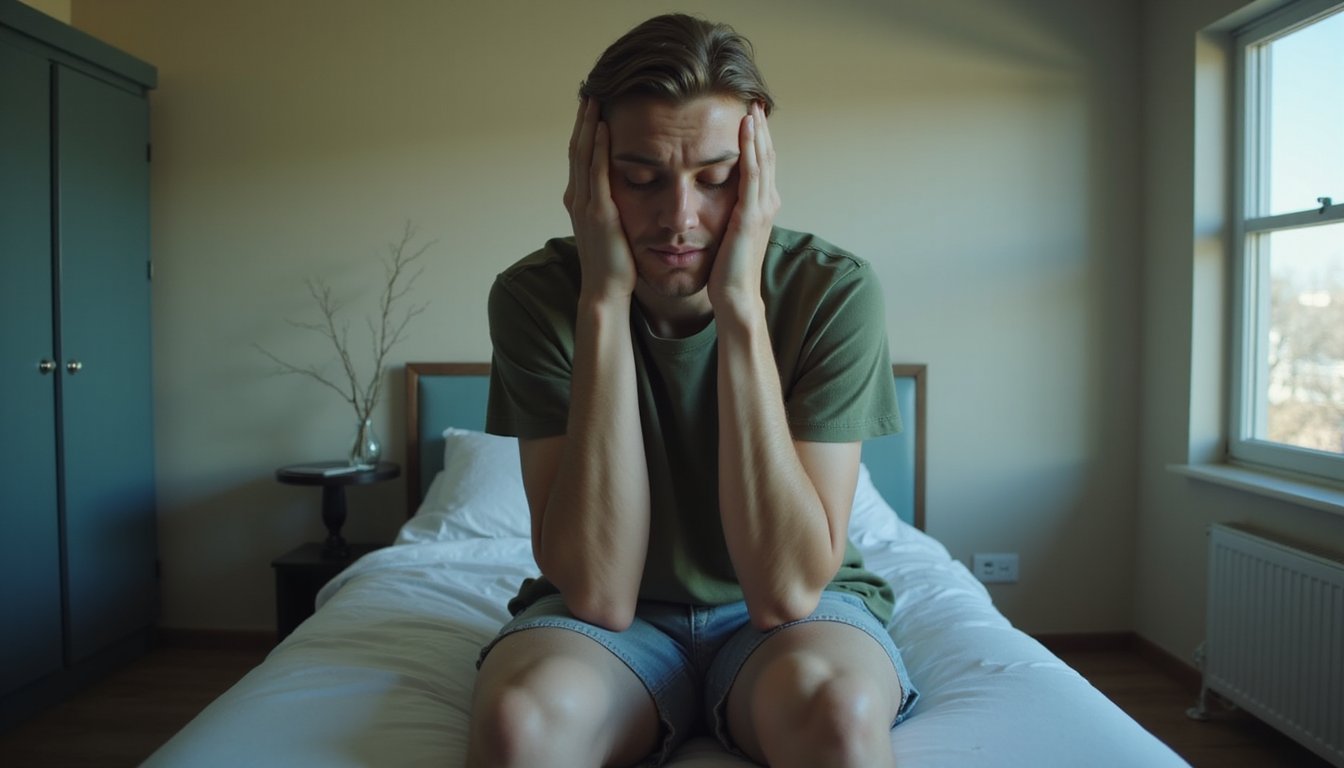
Beyond the psychological manifestations of alcohol withdrawal, your body communicates distress through distinct physical warning signs. You’ll notice tremors in your hands and limbs within 6-8 hours of your last drink, often accompanied by excessive sweating and clammy skin. Your essential signs may become unstable, with increased heart rate and blood pressure occurring 12-48 hours after stopping alcohol consumption. Understanding symptoms is crucial since alcohol withdrawal syndrome affects approximately half of individuals with alcohol use disorder.
Watch for gastrointestinal changes like nausea, vomiting, and loss of appetite. You’ll likely experience disrupted sleep patterns, including insomnia and vivid nightmares. Pay attention to heightened sensory sensitivity and confusion, as these can indicate worsening withdrawal. If you develop hallucinations or seizures, seek immediate medical attention; these symptoms signal severe withdrawal and require emergency intervention. These symptoms may continue to affect you for several weeks, with the most intense phase occurring between 24-72 hours.
Critical Timeline: When to Seek Medical Help
Understanding the critical timeline of alcohol withdrawal can mean the difference between life and death. You’ll need immediate medical attention if you experience hallucinations within 12-24 hours after your last drink, or seizures between 24-48 hours. Don’t wait to seek help if you develop confusion, severe agitation, or delirium tremens (DTs), especially during the 48-72 hour peak period.
If you’re a heavy or chronic drinker, contact healthcare providers at the first sign of withdrawal. This is particularly essential if you’re older, have liver disease, or lack support at home. Approximately 50% of individuals with alcohol use disorder will experience withdrawal symptoms. Watch for red flags like persistent vomiting, chest pain, breathing difficulties, or significant changes in critical signs. Remember, DTs can be fatal in 5-10% of cases without proper medical intervention, so err on the side of caution.
Hidden Dangers of Self-Managing Withdrawal

While attempting to manage alcohol withdrawal alone may seem feasible during its early stages, this decision carries potentially fatal risks that many people don’t recognize. Without proper medical supervision, withdrawal symptoms can rapidly escalate into life-threatening complications that require immediate emergency care. Research shows that 1 in 17 veterans admitted to hospitals required treatment for alcohol withdrawal syndrome, highlighting how common and serious this condition is.
- You won’t be able to monitor critical warning signs like tachycardia or dangerous electrolyte imbalances that typically precede severe complications
- Your risk of developing delirium tremens increases greatly, which has a mortality rate of up to 4% when left untreated
- You’re more likely to experience severe neuropsychiatric symptoms, including hallucinations and cognitive impairment that can become permanent
- You’ll face a higher probability of relapse due to intense withdrawal symptoms, leading to “relief drinking” without proper medical support and relapse prevention strategies
Risk Factors That Increase Withdrawal Severity
Several vital risk factors can dramatically increase the severity of alcohol withdrawal symptoms and potential complications. If you’ve experienced delirium tremens or withdrawal seizures before, you’re nearly three times more likely to face severe withdrawal again. Heavy daily drinking, especially over extended periods, greatly elevates your risk. Having a systolic blood pressure ≥140 significantly increases your likelihood of developing severe withdrawal symptoms. Your age, medical history, and psychiatric conditions also play important roles. While younger individuals often face more intense withdrawal symptoms, older adults may experience dangerous complications due to existing health issues. If you have depression, anxiety, or other psychiatric illnesses, you’re particularly vulnerable to severe withdrawal. Approximately half of AUD patients will experience withdrawal symptoms when they stop drinking. The Prediction of Alcohol Withdrawal Severity Scale (PAWSS) is highly accurate in identifying high-risk cases, with a positive likelihood ratio of 174.
Vital Signs and Physical Changes to Monitor
When monitoring for alcohol withdrawal, you’ll need to check essential signs frequently as blood pressure and heart rate often become dangerously heightened. Your healthcare provider will track these changes, looking for blood pressure readings above normal ranges and heart rates exceeding 100 beats per minute, which can signal advancing withdrawal. Temperature fluctuations and excessive sweating also warrant close observation, as these autonomic changes typically indicate the severity of withdrawal and help determine appropriate medical interventions. Medical staff typically check vital signs every 1-2 hours to properly assess how well the treatment is working and adjust care accordingly. The onset of early symptoms usually begins 6 to 12 hours after the last drink, making this initial monitoring period crucial for preventing severe complications.
Blood Pressure Warning Signs
During alcohol withdrawal, blood pressure typically rises above 140/90 mm Hg as the body enters a hyperaroused state, triggered by sudden changes in the sympathetic nervous system. This elevation usually normalizes within 3-10 days but requires careful monitoring to prevent complications. Medical professionals often use benzodiazepine medications to help manage both blood pressure and other withdrawal symptoms. Research shows that plasma aldosterone levels decrease significantly after stopping alcohol consumption.
- Your blood pressure may spike dangerously high due to increased endothelin and PAI-1 levels, which can lead to hypertensive urgency requiring immediate medical attention.
- You’ll need consistent BP monitoring throughout the first week of withdrawal, as readings can fluctuate considerably.
- If you have underlying hypertension, you’re at higher risk for severe BP elevations during withdrawal.
- Your blood pressure should return to normal within one month of abstinence – if it doesn’t, you’ll need further medical evaluation to rule out cardiovascular issues.
Heart Rate Red Flags
Monitoring your heart rate provides key insights into the severity of alcohol withdrawal, much like tracking blood pressure changes. You’ll need to watch for two concerning patterns: tachycardia (heart rate above 100 beats per minute) and bradycardia (heart rate below 60 beats per minute). Both can signal serious complications.
Your heart may also develop dangerous rhythm irregularities during withdrawal, ranging from mild palpitations to severe arrhythmias. If you notice sudden spikes or drops in your pulse, or feel your heart skipping beats, you’ll need immediate medical attention. These changes often accompany delirium tremens, a life-threatening condition. Pay attention to associated symptoms like chest discomfort, shortness of breath, or feeling faint – they’re warning signs that your cardiovascular system is struggling to adjust without alcohol.
Temperature and Sweating Changes
Two essential physical changes mark the onset of alcohol withdrawal: raised body temperature and excessive sweating. These symptoms typically emerge within 6-8 hours after your last drink and peak during the critical 24-72 hour window. Your body temperature may rise to a low-grade fever, while sweating often fluctuates between hot flashes and chills.
- Temperature above 100°F requires immediate medical evaluation to rule out severe withdrawal or complications
- Excessive sweating with clammy skin can rapidly lead to dangerous dehydration
- Symptoms usually persist for up to a week, though severe cases may last longer
- Fever during withdrawal stems from neurochemical imbalances rather than infection
Monitor these essential signs closely, as they can signal progression into more serious conditions like delirium tremens. Don’t hesitate to seek medical help if symptoms intensify or persist.
Recognizing Life-Threatening Withdrawal Symptoms
While mild alcohol withdrawal symptoms can be managed safely, certain warning signs indicate a potentially life-threatening situation that requires immediate medical attention.
You’ll need emergency care if you experience seizures, which occur in 3-5% of cases within 48 hours of your last drink. Watch for signs of delirium tremens (DTs), including severe confusion, hallucinations, and intense tremors, which typically develop 48-72 hours after stopping alcohol. DTs have a mortality rate of up to 25% if left untreated. It is essential to seek immediate medical help if you observe these symptoms, as they can escalate quickly. Alcohol detox treatments may involve medical supervision to ensure your safety and comfort during this critical period.
Pay close attention to dangerous autonomic symptoms like a racing heart, high blood pressure, or severe sweating. If you’re experiencing visual or auditory hallucinations, even with clear thinking, don’t wait; seek help. These symptoms can signal progression to more severe complications, especially if you’ve been through withdrawal before.
Frequently Asked Questions
Can I Still Go to Work During Mild Alcohol Withdrawal?
You shouldn’t work during mild alcohol withdrawal, as symptoms can quickly escalate and compromise your safety. Even mild symptoms like tremors, anxiety, and poor concentration increase your risk of workplace accidents and errors. If you must work, first consult a medical professional to assess your fitness and risk level. They’ll help determine if it’s safe and may recommend monitoring or temporary leave while you recover.
How Long Does Alcohol Withdrawal Affect Sleep Patterns?
You’ll experience significant sleep disruptions during alcohol withdrawal that can last from months to years. In the first 2 weeks, you’ll likely face severe insomnia, frequent night wakings, and vivid dreams. While partial sleep normalization occurs after the first month, you may notice ongoing disturbances for 1-3 years. Complete recovery of your sleep patterns, including slow-wave and REM sleep, typically takes 1-4 years of sustained sobriety.
What Vitamins or Supplements Help Ease Withdrawal Symptoms?
You’ll need several key supplements to ease withdrawal symptoms. Start with B-complex vitamins, especially thiamine, to prevent neurological complications. Add magnesium and zinc to reduce tremors and anxiety. Vitamin C, D, and E provide antioxidant support during detox. N-acetylcysteine can decrease cravings by up to 30%, while GABA and L-glutamine help stabilize your mood. Always consult your healthcare provider before starting any supplement regimen during withdrawal.
Does Exercise Help or Worsen Alcohol Withdrawal Symptoms?
Exercise can greatly help ease your alcohol withdrawal symptoms when done safely and under supervision. Research shows both aerobic and mind-body exercises reduce withdrawal severity, anxiety, and depression. You’ll likely experience improved mood and decreased cravings during and after moderate activity. However, you’ll need medical clearance first, as exercise can affect liver function markers. Start with supervised programs to guarantee safety during your withdrawal period.
Are Withdrawal Symptoms Different for Beer Versus Hard Liquor?
No, your withdrawal symptoms won’t differ based on whether you’ve been drinking beer or hard liquor. The key factor is the total amount of alcohol (ethanol) you’ve been consuming regularly, not the type of drink. You’ll experience the same withdrawal timeline and potential symptoms with both beverages, as they affect your central nervous system identically. What matters most is your overall alcohol consumption pattern and level of physical dependence.