





By John I., Sgt-USMC (Veteran)
Life after military service can be filled with unexpected battles. Many veterans return home carrying trauma, sleepless nights, and unhealthy coping mechanisms like alcohol or drugs. Without the structure of the Corps, it’s easy to feel adrift. At Quest 2 Recovery in Lancaster, CA, we see these struggles every day and provide a safe space for healing through veteran addiction treatment, alcohol rehab, and trauma-focused therapy.
This is the powerful story of John I., Sgt-USMC (Veteran). After serving two tours in Iraq and two in Afghanistan, John faced his toughest fight at home, addiction. His journey through despair, relapse, and eventual renewal at Quest 2 Recovery shows what’s possible when veterans get the help they deserve.
The Day the Real Battle Began
The day I turned in my gear, I thought I was leaving the battlefield behind. I didn’t realize my toughest fight was just beginning, and it was waiting for me at home. The war didn’t end when I stepped off that plane; the enemy just changed uniforms. The foe I now faced wasn’t carrying a rifle, it came in the form of sleepless nights, memories I couldn’t shut off, and a bottle that promised relief but delivered chains.
In the Marines, I knew my mission. I had brothers beside me, a purpose to wake up for, and a code to live by. At home, that purpose faded into the background, and the silence became deafening. Alcohol was easy to reach for, and for a while, it felt like my only ally. What I didn’t see was how it was quietly dismantling the life I had fought so hard to protect.
Leaving the Corps
In early 2013, after nearly a decade of active service, including two tours in Iraq and two in Afghanistan, I decided it was time to move on. I wanted a “real” job in corporate America, making big money and calling my own shots. I figured being a Marine would be enough to open doors.
I didn’t know exactly what I wanted to do, but I knew I never wanted to return to Iraq or Afghanistan. I went through the discharge process, including the mandatory week-long seminar for transitioning veterans. It covered benefits, resources, and life after service, but no seminar in the world could have prepared me for what was ahead.
Alcohol and Me: The Early Years
I grew up in a family with a long history of alcoholism, so I tried to avoid drinking as a teenager. Up until I turned 18, I had only been drunk once. Then one night, I drank ten beers without puking or falling over. I felt like a man, a bada**. That night was the beginning.
For the next year, I drank occasionally, but always with the intent to drink as much as possible. I enlisted in December, went to boot camp in February, and by August 2004 had finished A-school. At 20, I received orders to Okinawa, Japan. The local drinking age was 18, but military personnel under 21 were forbidden to drink. The risk wasn’t worth it, and the consequences were severe, but I probably drank three times that first year.
The Culture of Work Hard, Drink Harder
In August 2005, I turned 21. Within three months, I was sent to the Substance Abuse Counseling Officer for alcohol training. It didn’t slow me down. The culture I was in revolved around two pillars: give 110% to the Marine Corps, and party just as hard or harder than you work.
I attended alcohol classes twice more, crashed a car, got a DUI, ruined relationships, hurt people, got into fights, and kept getting in trouble. Somehow, I left the service with a clean record and an honorable discharge. I had worked with survival equipment and parachutes, but my most “transferable” skill to civilian life seemed to be drinking well with others.
The Civilian Spiral
After leaving the Corps, I moved to Florida, used my GI Bill for school, and took a job managing a pizza restaurant. That’s where I met my wife. A year later, I accepted a job in California with plans for my wife and kids to join me.
Those eight months without them were brutal, and my drinking got worse. The job I thought would be great turned out to be miserable. My supervisor targeted me, and I hated my life. I began showing up to work drunk or not showing up at all.
One day, I skipped work entirely and went to the bar. Cocaine became part of the mix, helping me drink more and longer. Faced with the possibility of losing my family, I knew I couldn’t stop on my own. I needed help.
Finding Quest 2 Recovery
Through the grace of God, I found Quest 2 Recovery in Lancaster, CA, in 2019. I expected a cold, clinical facility like in the movies but instead found a converted house that felt like a home. The staff treated me with respect for my service and gave me a safe, honest space to heal without the noise of everyday life.
“Quest saved my life. Without them, I wouldn’t be where I am today. I’m forever grateful”.
Life After Treatment
My time at Quest inspired me to pursue a master’s degree in psychology to become a Licensed Counselor. I wanted to help others fight the same battles I had faced.
But sobriety isn’t a straight line. It’s easy when life is good, but when hardship comes, old habits creep back. I’ve relapsed. I’ve asked myself how I could survive boot camp but crumble at a rude driver or a messy kitchen. I had to look deeper and work harder.
The Veteran Struggle
As veterans, we crave the camaraderie and sense of purpose we once had. Boot camp rewires our brains, breaking us down and rebuilding us with a mission. When that’s gone, it feels like a part of us is missing. We become unraveled.
Quitting drugs and alcohol is vital, but without addressing our deeper wounds, sobriety can feel empty. Many of us have experienced trauma, whether from childhood, combat, or both. Without purpose and understanding, we chase quick fixes to fill the void.
What Works
For me, programs like Alcoholics Anonymous have been a cornerstone, offering structure, accountability, and a new kind of brotherhood. There are also faith-based and alternative recovery programs with the same mission: building a meaningful, sober life.
My biggest mistake in recovery was seeking comfort. After years of discomfort in the military, I thought I’d earned the right to avoid it, but avoiding discomfort makes you weaker. Now, I embrace discomfort so I can truly appreciate comfort.
The Nuts and Bolts
Know Your Place in the World: You’re not the center of it, and you can’t control it, only your own thoughts, feelings, and actions.
Care for Your Body: It’s your home. What you eat, drink, and how active you are will directly affect your mental health.
Be Honest and Compassionate with Yourself: Limit negative self-talk. Encourage yourself daily, like you would a child learning to ride a bike.
Ask for Help: Asking for help is not weakness, it is courage and resilience.
Focus on Today: Don’t focus on a lifetime without a drink or drug. Just focus on today. Then do it again tomorrow.
Be Good to Yourself: You’ve fought tougher battles; you can win this one too.
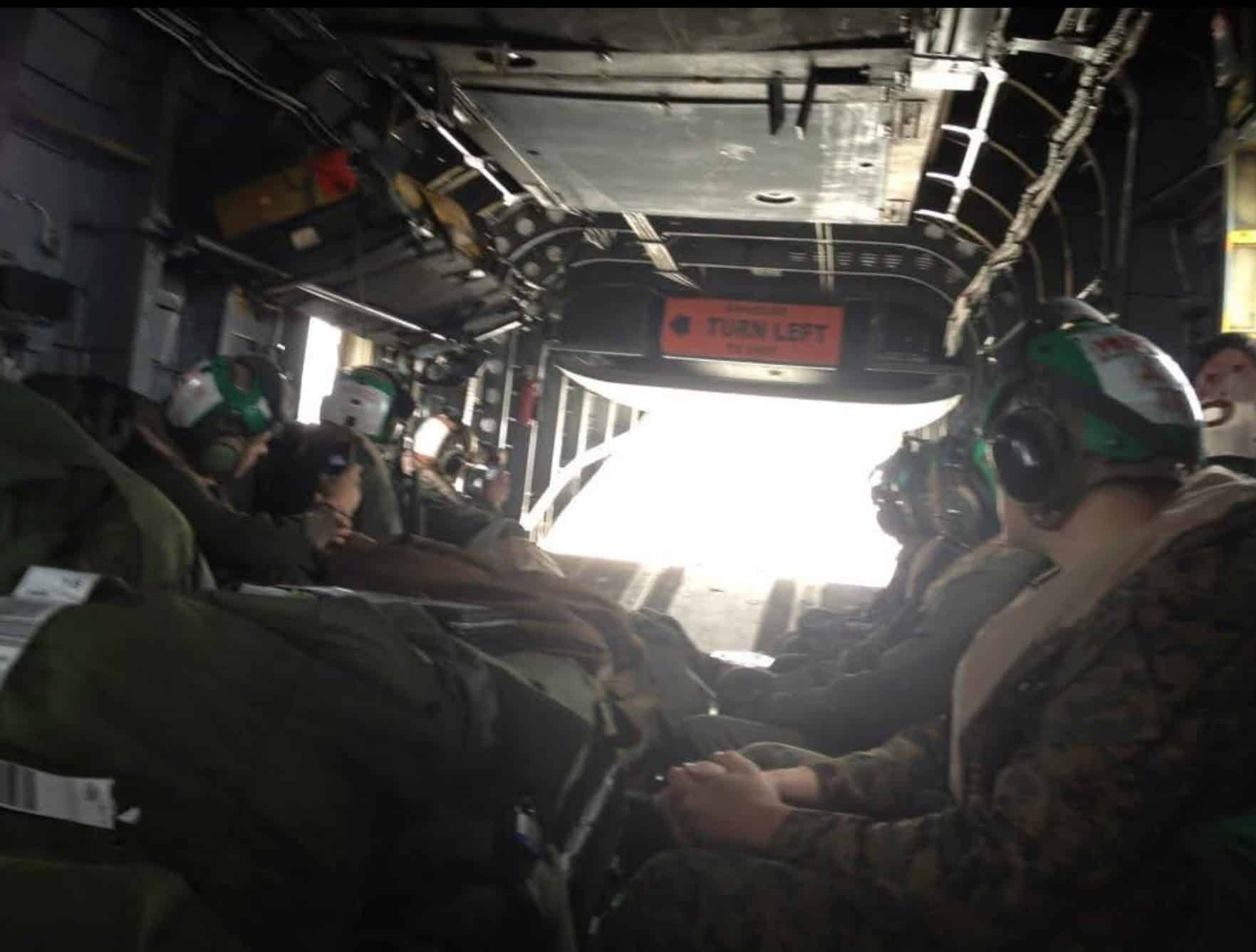
 As veterans, we crave the camaraderie and sense of purpose we once had. Boot camp rewires our brains, breaking us down and rebuilding us with a mission. When that’s gone, it feels like a part of us is missing. We become unraveled.
A Message of Hope for Veterans
John’s recovery journey highlights that sobriety is possible, even after years of struggle. At Quest 2 Recovery, we specialize in helping veterans rebuild their lives through evidence-based addiction treatment, PTSD support, and veteran-specific recovery programs. With the right environment and the right team, the same discipline that carried veterans through service can carry them into lasting recovery. If you or a loved one is a veteran struggling with alcohol, drugs, or trauma, Quest 2 Recovery is here to walk beside you, one day at a time.
Frequently Asked Questions
How Do Military Spouses Cope With Their Partner’s Addiction During Recovery?
Military spouses often face significant emotional strain when their partner struggles with addiction. Many benefit from support groups, counseling services, and open communication strategies. Quest 2 Recovery also offers family therapy to help spouses heal alongside their partners and strengthen relationships during the recovery process.
What Financial Resources Are Available for Veterans Seeking Addiction Treatment?
Veterans may be eligible for coverage through the VA, TRICARE, or the Veterans Choice Program. Quest 2 Recovery is also a proud member of the Community Care Network (CCN), which provides expanded access to care. In addition, the Quest team works closely with veterans and their families to navigate benefits and funding assistance so that cost is never a barrier to treatment.
Can Veterans Continue Prescribed Medications While in Substance Abuse Treatment Programs?
Yes. Most treatment programs, including Quest 2 Recovery, provide safe medication management. Licensed professionals collaborate with veterans to ensure prescribed medications are integrated into their care plans while addressing substance use concerns.
How Long Should Veterans Wait After Discharge Before Starting Addiction Treatment?
There is no required waiting period after discharge. Veterans can begin treatment as soon as they need it. Early intervention often prevents deeper struggles, and Quest 2 Recovery encourages veterans to seek help at the first signs of difficulty.
Are There Specialized Treatment Programs for Veterans With Combat-Related PTSD?
Yes. Quest 2 Recovery provides trauma-focused programs that include case management, individual and family therapy, and evidence-based treatments such as EMDR (Eye Movement Desensitization and Reprocessing). Veterans also have access to peer support groups, ensuring they are surrounded by others who share and understand their experiences.