






Safely recovering from benzodiazepine addiction requires immediate medical supervision to prevent life-threatening withdrawal complications. You’ll need a thorough evaluation to determine your personalized treatment plan, which typically includes gradual dose reduction of 5-10% weekly. You should participate in both individual and group therapy while maintaining regular medical monitoring of your essential signs and neurological status. A combination of professional support, therapy, and lifestyle modifications will guide your journey toward sustained recovery.
Understanding the Risks of Xanax Dependence

While Xanax effectively treats anxiety when prescribed, its high potential for dependence poses considerable risks even under medical supervision. Research shows that 17% of users develop dependency signs during regular medical use, with risks intensifying markedly during non-medical use. Women use Xanax significantly more than men, with 58% of women being prescribed the medication compared to 44% of men. If you experience access issues while researching treatment options online, security services may temporarily restrict certain addiction-related websites to protect against malicious activity. A concerning trend shows that benzodiazepine prescriptions increased by 67% over a 17-year period from 1996 to 2013.
You’ll face heightened vulnerability if you’re between 18-25 years old, as this age group shows a 10.3% abuse rate compared to 5.7% in older populations. The recovery timeline typically involves managing severe withdrawal symptoms that emerge within days of stopping use. These can include seizures, panic attacks, and insomnia. What’s particularly concerning is that cognitive impairment from long-term use can affect your judgment and increase relapse potential. The risks become exponentially dangerous when Xanax is combined with other substances, especially opioids or alcohol.
The Essential Role of Medical Supervision
Professional medical supervision is crucial during Xanax withdrawal due to potentially life-threatening complications like seizures and cardiac events that require immediate intervention. Early statistics show that benzodiazepine overdose deaths increased tenfold between 1999 and 2017. You’ll undergo thorough risk assessments to determine your specific withdrawal risks, allowing medical teams to develop a personalized detox protocol tailored to your physical condition and usage history. Your important signs will be monitored around the clock while medical staff manages acute symptoms through medication-assisted treatment and guarantees your safety throughout the withdrawal process. Performance & security measures ensure facilities maintain the highest standards of patient protection and care. Both inpatient and outpatient programs provide comprehensive therapeutic support through individual and group counseling sessions to address the psychological aspects of recovery.
Detox Risk Assessment Protocol
Because Xanax withdrawal can trigger life-threatening complications, a detailed medical risk assessment forms the cornerstone of safe detoxification. Your healthcare provider will evaluate critical factors including your dosage history, length of use, and any previous withdrawal experiences to create detox timeline projections. For enhanced security, these evaluations are conducted through protected systems to safeguard sensitive medical information.
During risk factor evaluation, you’ll undergo extensive screening for seizure predisposition, concurrent substance use, and underlying health conditions. Medical professionals typically recommend a gradual dose reduction of 5-10% weekly to minimize withdrawal risks. Considering that grand mal seizures represent a severe withdrawal symptom, medical professionals must carefully assess neurological status. Your doctor will assess essential signs, metabolic function, and psychological stability to determine the appropriate treatment setting. This data guides decisions between inpatient or outpatient protocols and helps establish your individualized tapering schedule.
You’ll need continuous monitoring of autonomic responses, particularly during the initial phase when seizure risks peak. Your medical team will adjust interventions based on emerging symptoms, ensuring you receive appropriate anticonvulsant prophylaxis when indicated.
Professional Withdrawal Management Standards
Successful withdrawal from Xanax requires thorough medical supervision that adheres to established professional standards. Your healthcare team will implement individualized tapering strategies while monitoring your progress through regular assessments and documentation.
Key components of professional withdrawal management include:
- Face-to-face evaluations every 3-6 months to assess your withdrawal timeline and adjust tapering protocols based on your response
- Mandatory urine drug screening and prescription monitoring to guarantee compliance and prevent complications
- Integration of cognitive-behavioral therapy to help manage withdrawal symptoms and underlying anxiety
- Coordination between multiple specialists, including psychiatrists and addiction experts, to provide extensive care
Your withdrawal plan will be continuously adjusted based on risk factors, comorbidities, and potential contraindications, guaranteeing the safest possible shift off Xanax while maintaining your stability and comfort. Following evidence-based strategies developed by medical societies ensures the most effective approach to benzodiazepine tapering.
Creating Your Personalized Recovery Plan
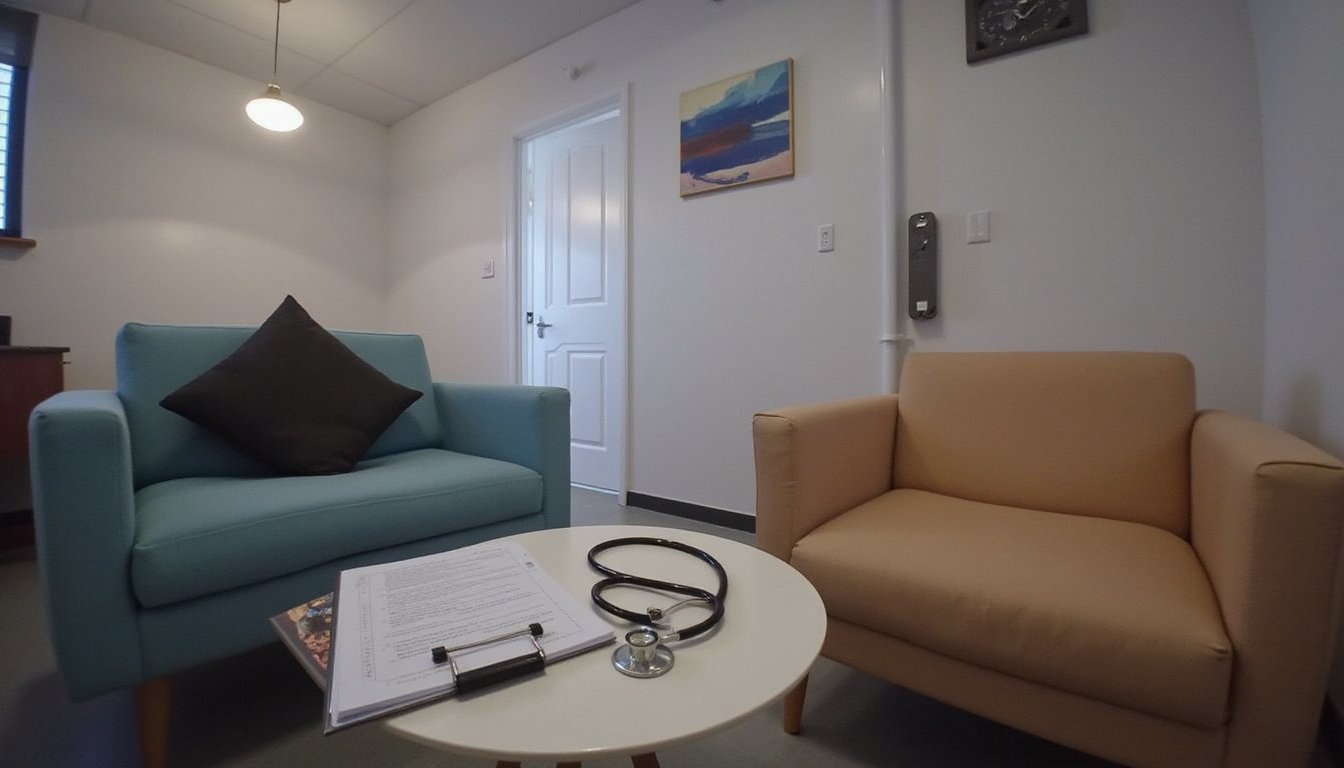
Your personalized recovery plan starts with a thorough assessment of your treatment requirements, including the severity of your Xanax dependency and any co-occurring mental health conditions. You’ll need to establish a dedicated support network of healthcare providers, counselors, and trusted family members who can assist in your recovery journey and provide accountability. Setting specific, achievable daily recovery goals helps maintain focus and creates measurable progress benchmarks while incorporating evidence-based therapies that match your individual needs. Medical supervision during the withdrawal process is crucial, as symptoms typically begin within 6-48 hours after the last dose. Regular performance monitoring of your recovery progress helps healthcare providers adjust treatment strategies as needed to ensure the most effective outcomes. Treatment plans often include Cognitive Behavioral Therapy sessions to help identify and modify negative thought patterns that contribute to anxiety and substance use.
Assess Your Treatment Needs
Creating an effective recovery plan from Xanax addiction requires a thorough assessment of multiple factors that influence treatment outcomes. Your treatment evaluation must address both your physical and psychological needs, ensuring recovery readiness through extensive screening. Medical detoxification is essential for safe withdrawal since Xanax dependence can have dangerous complications. For enhanced security during your recovery journey, treatment facilities implement protective measures to safeguard patients against potential risks.
Key factors you’ll need to evaluate:
- Current Xanax usage patterns, including dosage, frequency, and duration of use
- Pre-existing medical conditions and mental health concerns that may impact your recovery
- Severity of physical dependence and potential withdrawal risks requiring medical supervision
- Environmental and lifestyle factors contributing to your substance use
This assessment helps determine whether you’ll need inpatient or outpatient care, appropriate tapering strategies, and specific therapeutic interventions. Your healthcare provider will use this information to develop a personalized treatment approach that addresses your unique circumstances and maximizes your chances of successful recovery. Understanding your financial considerations will help determine which treatment options are accessible within your budget.
Build Support Team Network
Building a robust support network comprises three essential components: professional guidance, peer connections, and family involvement. You’ll need to integrate all three elements to create a thorough recovery foundation.
| Support Type | Key Benefits | Resources |
|---|---|---|
| Professional | 24/7 crisis support, clinical assessment | Treatment centers, therapists |
| Peer Support | Shared experiences, accountability | NA meetings, SMART Recovery |
| Family | Emotional backing, daily assistance | Family education programs |
Start by connecting with addiction specialists who’ll provide personalized treatment plans and medication management. Enhance your recovery by joining peer support groups like NA or SMART Recovery, where you’ll find understanding through shared experiences. Strengthen your family involvement through education programs and communication training. Remember to maintain healthy boundaries while rebuilding trust with loved ones who can support your journey to sobriety.
Establish Daily Recovery Goals
Successful recovery from Xanax addiction depends on establishing clear, measurable daily goals that create structure and accountability. Your daily accountability plan should integrate essential recovery activities while tracking measurable milestones to monitor your progress.
- Schedule specific time blocks for therapy sessions, support group meetings, and medical check-ups to maintain consistent treatment engagement
- Set daily health targets including balanced nutrition, 7-8 hours of sleep, and planned exercise to support your body’s healing process
- Incorporate stress management practices like meditation or deep breathing exercises at designated times throughout your day
- Track your daily achievements and challenges in a recovery journal, noting triggers, emotional states, and successful coping strategies
Regularly review these goals with your healthcare provider to adjust your recovery plan as needed, ensuring it remains aligned with your progress.
Therapeutic Approaches for Long-Term Success

While overcoming Xanax addiction requires medical supervision during detoxification, long-term recovery depends on an extensive therapeutic strategy that addresses both psychological and physiological aspects of dependence.
You’ll need to engage in evidence-based therapies like CBT for cognitive restructuring and DBT for emotional regulation. These approaches help you develop healthier coping mechanisms and challenge destructive thought patterns. Combining individual therapy with group sessions and family counseling creates a thorough support network essential for sustained recovery.
To maintain progress, you’ll benefit from participating in 12-step programs while incorporating holistic interventions such as structured sleep routines, regular exercise, and mindfulness practices. For best outcomes, your treatment plan should include management of any underlying mental health conditions through dual diagnosis programs and medication-assisted treatment when appropriate.
Managing Withdrawal Symptoms Effectively
Safe management of Xanax withdrawal symptoms requires precise medical oversight and a structured approach to detoxification. Understanding withdrawal timelines helps you anticipate and prepare for emerging symptoms, which typically begin 6-12 hours after your last dose.
- Monitor essential signs closely during days 2-3, when symptoms peak and medical intervention becomes critical for symptom relief
- Address physical symptoms through targeted interventions, including sleep hygiene practices and antiemetic medications
- Follow emergency protocols for severe symptoms like seizures or hallucinations, which may require immediate benzodiazepine reintroduction
- Maintain proper hydration and nutritional support throughout the acute phase, especially during episodes of vomiting
You’ll need consistent medical supervision during the detox process, as cold-turkey cessation can be life-threatening. Most acute symptoms resolve within 5-10 days, though protracted symptoms may persist for several weeks.
Building a Strong Support Network
Three core pillars form the foundation of a robust support network during Xanax recovery: peer support groups, professional guidance, and family involvement. You’ll find essential peer connections through programs like Narcotics Anonymous, SMART Recovery, and Y12SR, which provide structured environments for sharing experiences and developing coping strategies.
Professional support includes accessing crisis hotlines, working with healthcare providers, and participating in therapy sessions tailored to your specific needs. These clinical resources help you address co-occurring conditions and manage withdrawal safely. Your support strategies should also incorporate family education and boundary-setting workshops, enabling loved ones to understand addiction dynamics better. Consider joining alumni networks and digital recovery communities to maintain long-term connections and accountability. Together, these resources create a thorough support system that strengthens your recovery journey.
Holistic Methods for Sustainable Recovery
Building on your established support network, incorporating holistic recovery methods enhances your path to long-term wellness. You’ll find sustainable healing through an all-encompassing approach that addresses your physical, mental, and emotional needs.
Holistic healing empowers lasting recovery by nurturing the whole self mind, body, and spirit through comprehensive wellness practices.
- Practice mindfulness through guided meditation sessions and breathing exercises to reduce anxiety and improve emotional regulation
- Engage in physical therapies like yoga and structured exercise routines to boost mood and restore natural energy levels
- Follow personalized nutritional counseling plans that support brain chemistry balance and overall well-being
- Express yourself through creative activities such as art, music, or writing to process emotions and develop healthy coping mechanisms
These evidence-based methods complement your medical treatment plan, helping you build resilience and maintain long-term recovery while preventing relapse through balanced, holistic healing practices.
Preventing Relapse Through Ongoing Care
While recovering from Xanax addiction represents a significant milestone, preventing relapse requires vigilant, ongoing care through multiple support channels. You’ll need to identify potential relapse triggers through ongoing therapy sessions and develop personalized coping strategies to manage them effectively.
Create a structured routine that includes regular support group meetings, consistent sleep patterns, and scheduled physical activities. Maintain connections with sober peers and trusted family members who understand your recovery goals. You’ll also benefit from practicing mindfulness techniques like meditation and deep breathing exercises to regulate emotional responses during challenging moments.
Document your triggers and progress in a journal, helping you recognize patterns that might lead to relapse. Stay committed to your prescribed treatment plan and don’t hesitate to utilize community resources when you need additional support.
Frequently Asked Questions
Can I Still Drive or Operate Machinery During Xanax Tapering?
You shouldn’t drive or operate machinery during Xanax tapering due to significant safety risks. Both ongoing medication effects and withdrawal symptoms can impair your reaction time, judgment, and coordination. The tapering process causes drowsiness and potential confusion that’s comparable to driving with alcohol in your system. Even if you’re following a careful reduction schedule, your driving ability remains compromised. It’s safest to avoid operating vehicles until your doctor confirms you’re clear.
How Long Will Post-Acute Withdrawal Symptoms Affect My Work Performance?
Post acute effects on your work performance typically last 6-18 months, though you’ll likely notice the intensity decreasing over time. Workplace challenges may include difficulty concentrating, memory issues, and increased sensitivity to stress. You’ll experience good days and bad days, with cognitive symptoms often persisting longer than physical ones. Consider discussing reasonable accommodations with your employer, as flexibility during this period can greatly support your recovery and maintain productivity.
What Alternative Medications Can Help Manage Anxiety After Xanax Recovery?
You can manage anxiety effectively with several FDA-approved medications that offer lower dependency risks. SSRIs like Lexapro or Zoloft are typically first-line options, while SNRIs such as Effexor can help if you need dual neurotransmitter support. Consider combining these with cognitive therapy for best results. Buspirone offers targeted anxiety relief without sedation, and herbal supplements like passionflower or lavender may provide gentle support under medical supervision.
Will My Insurance Cover Both Inpatient and Outpatient Addiction Treatment?
Your insurance coverage for addiction treatment will depend on your specific plan. Most private insurers cover both inpatient and outpatient treatment options under behavioral health benefits, but you’ll need to verify the details. Contact your insurance provider directly to confirm covered services, network requirements, and any pre-authorization needs. Be prepared that coverage percentages may vary, and you might face different copays or deductibles for inpatient versus outpatient care.
How Do I Explain My Recovery Journey to Potential Employers?
When explaining your recovery journey during job interviews, you’ll want to focus on personal growth and professional development. Frame your experience by highlighting acquired strengths like resilience and determination. It’s best to keep explanations brief and job-relevant, using terms like “personal health challenges” if needed. Remember, you’re not legally required to disclose specifics about past addiction unless it directly impacts job duties. Emphasize your current capabilities and future goals.