


A clonazepam hangover typically lasts 24 to 48 hours, though the medication’s 30- to 40-hour half-life means you may experience lingering grogginess, mental fog, and fatigue for several days. You’ll recover faster by staying hydrated, getting adequate rest, and avoiding alcohol or other CNS depressants. If you’ve been taking clonazepam regularly, drug accumulation can extend these effects even longer. Understanding the factors that influence your individual metabolism can help you manage symptoms more effectively.
What Is a Clonazepam Hangover and Why Does It Happen

Clonazepam belongs to the benzodiazepine class of medications, working directly on GABA receptors to slow brain activity and produce calming effects. When you take this medication, residual sedative effects can persist beyond its intended therapeutic window, creating what’s commonly called a hangover.
You may experience this phenomenon because clonazepam acts as a CNS depressant, causing prolonged sluggishness and reduced alertness. Clinical trials show up to 50% of users report drowsiness as a primary side effect. Your hangover symptoms typically include daytime sleepiness, impaired memory, confusion, and disturbed sleep patterns with vivid dreams.
Unlike increased appetite changes seen with other medications, clonazepam hangovers often cause appetite loss alongside fatigue, muscle weakness, and coordination difficulties. These effects reflect your brain’s slowed activity state. Mixing clonazepam with alcohol intensifies these hangover effects because both substances depress the respiratory centers in the brain, leading to shallow breathing and impaired oxygen supply.
How Long Clonazepam Stays in Your System
Understanding how long clonazepam lingers in your body helps explain why hangover symptoms can persist for days. With an elimination half-life of 30-40 hours, complete clearance requires approximately 6-9 days. Your liver metabolizes the drug via CYP3A4, producing metabolites excreted through urine.
Detection windows vary by testing method:
- Blood tests identify clonazepam for 4-13 days
- Urine tests show dosage dependent detection ranging from 5-30 days
- Hair analysis reveals use for up to 90 days
Multiple use clearance takes considerably longer due to drug accumulation. Factors affecting your personal timeline include age, liver function, body weight, and usage frequency. Healthy individuals with active lifestyles clear the medication faster, while hepatic impairment noticeably slows processing. Older adults may experience prolonged clearance times due to impaired liver function that affects metabolism. Supporting natural elimination through hydration and rest remains your best approach. No supplement or detox product can accelerate this process beyond your body’s natural metabolism.
Typical Duration of Hangover-Like Symptoms
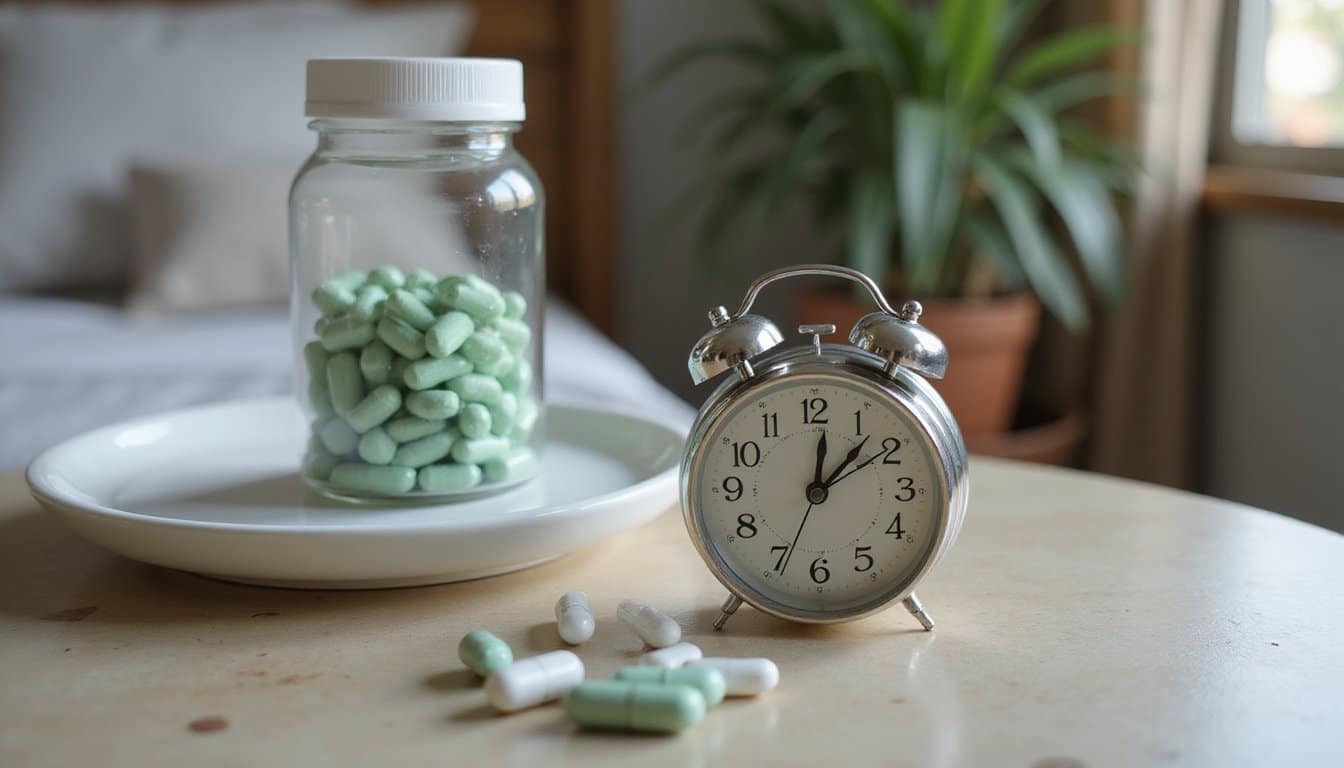
Everyone experiences clonazepam hangover symptoms differently, but predictable patterns emerge based on the drug’s pharmacology.
Hangover Symptoms Duration
Due to clonazepam’s long half-life of 30-40 hours, you’ll notice delayed onset of symptoms. During the first one to four days, you may experience rebound anxiety, insomnia, irritability, and tremors. The hangover symptom timeline peaks around two weeks, when you’re at highest risk for severe symptoms including sweating, headaches, and muscle tension.
Extended Recovery Period
Your symptoms typically decline during weeks three and four but can persist for two to three months. If you’ve used higher doses, expect an extended timeline lasting months to two years, primarily involving psychological symptoms like fatigue, cravings, and intermittent physical discomfort. Medical supervision and gradual tapering substantially shorten your acute phase duration. Dependence occurs in one-third of people who take benzodiazepines for longer than four weeks, which can significantly impact your recovery timeline. Stopping clonazepam abruptly without a gradual taper can shock the system, leading to more severe and prolonged hangover-like withdrawal effects.
Common Symptoms You May Experience the Morning After
When you wake up after taking clonazepam, you’ll likely notice residual effects that mirror a traditional hangover. Clinical trials report that up to 50% of users experience prolonged drowsiness, making morning routines challenging.
You may encounter these primary symptom categories:
- Cognitive effects, Mental fog, difficulty concentrating, and slowed thinking that interfere with daily tasks
- Physical discomfort, Headaches, dizziness, muscle tension, and nausea
- Mood changes, Rebound anxiety, irritability, and emotional distress as the medication wears off
Understanding these symptoms is essential for managing withdrawal symptoms effectively. The sedative impact on your GABA receptors disrupts sleep quality, contributing to next-day grogginess. Regulating sleep patterns becomes difficult when fragmented sleep occurs despite initial sedation. These hangover effects can occur in anyone taking the medication, not just those who misuse it.
Why Clonazepam’s Half-Life Extends Hangover Effects
 The symptoms you experience the morning after don’t simply fade within a few hours, clonazepam’s pharmacokinetic profile explains why. With a half-life ranging from 30-40 hours, the drug remains active in your system far longer than shorter-acting benzodiazepines. This longer elimination time directly contributes to increased hangover severity.
Your body requires approximately five half-lives to fully clear a single dose, translating to 6-9 days for complete elimination. During this period, residual drug concentrations continue affecting your central nervous system, prolonging drowsiness and cognitive impairment. The drug works by binding to GABA neurotransmitters, blocking impulses between nerve cells, which explains why sedation and mental fog linger as the medication slowly clears.
If you take clonazepam regularly, accumulation peaks within 5-7 days, intensifying morning-after effects. The drug’s metabolism through liver enzymes and kidney excretion means individual factors, age, liver function, concurrent medications, further influence how long hangover symptoms persist. Mixing clonazepam with alcohol or opioids can cause dangerous CNS depression, which may worsen and extend hangover symptoms significantly.
Factors That Influence How Long Your Hangover Lasts
Five primary factors determine how long your clonazepam hangover persists, and understanding each one helps you anticipate your recovery timeline.
Key variables affecting your recovery:
- Dosage and duration, Higher doses and prolonged use intensify withdrawal symptoms, with chronic users experiencing effects lasting up to 2 years.
- Age and biological factors, Older individuals metabolize clonazepam more slowly, extending the half-life impact and delaying full clearance from your system.
- Genetics and concurrent substances, Your genetic makeup influences elimination rates (3.75-10.5 days), while alcohol co-use worsens sedation and prolongs recovery due to combined CNS depression. Since both clonazepam and alcohol are central nervous system depressants, their combined effects amplify drowsiness and impaired cognitive function.
- Brain chemistry changes, Clonazepam reduces your brain’s ability to produce calming chemicals naturally, which means recovery depends on how long it takes your neurological function to restore itself.
Your individual metabolism, determined by genetics and biological factors, creates a personalized timeline. If you’re older, take higher doses, or use alcohol concurrently, expect extended hangover duration requiring closer medical monitoring.
The Difference Between a Hangover and Early Withdrawal
You can distinguish a clonazepam hangover from early withdrawal by examining both timing and symptom intensity. A hangover typically resolves within 24-48 hours and involves non-specific fatigue and grogginess, while early withdrawal emerges 1-4 days after your last dose with intensified versions of your original symptoms. If you’re experiencing escalating anxiety, tremors, or the return of panic attacks rather than simple tiredness, you may be entering withdrawal rather than recovering from a hangover.
Timing Tells the Difference
Anyone who’s taken clonazepam knows that groggy, sluggish feeling the next morning, but recognizing whether you’re experiencing a simple hangover or the beginning of withdrawal requires understanding the timeline.
Onset delay considerations are critical here. Clonazepam’s 18-50 hour half-life means true withdrawal typically begins 1-3 days after your last dose, not the morning after. Hangover effects resolve within hours.
Key timing distinctions:
- Hangover symptoms appear within hours of dosing and clear within 24 hours, primarily causing drowsiness and cognitive fog.
- Early withdrawal emerges 1-4 days post-cessation, featuring rebound anxiety and insomnia that progressively worsen.
- Withdrawal duration variance extends symptoms through an acute phase lasting up to four weeks, while hangovers never escalate. The complete withdrawal timeline can persist for an average of 2-8 weeks, depending on individual factors and usage history.
If symptoms intensify rather than resolve, you’re likely experiencing withdrawal, consult your prescriber immediately. If you’re unable to access online treatment resources due to security service blocks, you can email the site owner with the Cloudflare Ray ID to request assistance.
Symptom Severity Comparison
Distinguishing between a clonazepam hangover and early withdrawal comes down to three critical factors: symptom intensity, progression pattern, and the presence of rebound effects.
With a hangover, you’ll experience mild grogginess, headaches, and fatigue that resolve within hours. Early withdrawal presents differently, you’ll notice your original anxiety or panic symptoms returning stronger than before treatment began. This rebound effect signals your brain’s adaptation to the medication.
Symptom intensity escalates considerably during withdrawal. While hangover effects remain stable or diminish, withdrawal symptoms progressively worsen. You may develop tremors, muscle spasms, and cardiovascular changes like elevated blood pressure. Withdrawal peaks around two weeks, potentially including confusion and hallucinations. These severe symptoms occur because withdrawal involves imbalance in neurotransmitter systems, particularly affecting GABA and glutamate pathways in the brain.
If your symptoms intensify rather than fade, you’re likely experiencing early withdrawal requiring medical supervision rather than a simple hangover.
Immediate Steps to Relieve Clonazepam Hangover Symptoms
When clonazepam’s sedative effects linger beyond their therapeutic window, you can take immediate action to minimize discomfort and accelerate recovery.
Taking swift action when clonazepam effects overstay their welcome can restore your comfort and speed your body’s natural recovery process.
Hydration supplementation forms your first line of defense. Drink small, frequent sips of water or electrolyte solutions to counteract dizziness and fatigue without overwhelming your system.
Nutrition optimization provides essential energy support through these evidence-based approaches:
- Consume light, balanced meals rich in protein, fiber, and healthy fats to accelerate gastrointestinal processing of the medication.
- Consider B vitamins and zinc supplements to support metabolic breakdown and cellular recovery.
- Avoid heavy meals that may trigger nausea while your body processes residual drug levels.
Prioritize additional rest to allow natural metabolism of circulating clonazepam. Light physical activity, such as gentle walking, improves circulation and promotes faster drug clearance.
When to Seek Medical Support for Persistent Effects
You should contact a healthcare provider if your symptoms persist beyond 2-4 weeks, as this may indicate post-acute withdrawal syndrome requiring professional management. Seek immediate medical attention if you experience seizures, hallucinations, heart palpitations, or severe anxiety, since these complications can be life-threatening without supervised care. Treatment options include medically supervised tapering programs, inpatient detox facilities for severe cases, and outpatient support for managing protracted symptoms.
Signs Requiring Professional Help
How do you know when clonazepam aftereffects have crossed into territory that demands medical intervention? Certain symptoms signal your body requires immediate professional assessment.
Seek emergency care if you experience:
- Rapid heart rate with palpitations, irregular rhythms, or blood pressure spikes that don’t stabilize
- Respiratory issues including labored breathing, blue-tinged lips or nails, or any signs of respiratory depression
- Neurological emergencies such as seizures, hallucinations, severe confusion, or loss of coordination
You shouldn’t dismiss persistent psychological symptoms either. If you’re experiencing suicidal thoughts, panic attacks that exceed your baseline anxiety, or symptoms lasting beyond the expected acute phase, contact your healthcare provider. Protracted withdrawal can persist for months, and professional monitoring guarantees you receive appropriate interventions throughout your recovery trajectory.
Finding Appropriate Treatment Options
Reaching out for professional help becomes essential when clonazepam’s aftereffects don’t resolve within expected timeframes. If you’re experiencing persistent drowsiness beyond 24 hours, ongoing cognitive impairment exceeding 12 hours, or inability to perform daily activities, you should seek medical evaluation promptly.
Your physician can assess whether medication assisted management suits your situation. For those with liver concerns, doctors may prescribe diazepam or lorazepam as safer alternatives. Treatment facilities offer structured alcohol detox alternatives that incorporate supervised benzodiazepine tapers to minimize rebound symptoms.
Inpatient rehabilitation provides medical oversight during withdrawal, with initial dosing calibrated hourly for ideal symptom control. Therapy sessions help uncover underlying addiction factors while building effective coping strategies. Social support networks within these programs actively prevent relapse triggers during your recovery journey.
Long-Term Recovery Strategies and Professional Treatment Options
When standard recovery approaches prove insufficient for managing clonazepam dependence, professional treatment programs offer structured pathways to lasting sobriety. Long term rehabilitation facilities provide 24/7 support in controlled environments, focusing on detoxification and behavioral therapies while removing you from triggers. Medication assisted recovery uses SSRIs like fluoxetine to manage cravings and withdrawal symptoms effectively.
Professional treatment programs provide the structured support and medical supervision essential for overcoming clonazepam dependence when standard approaches fall short.
Your thorough recovery plan should include:
- Gradual tapering protocols, Reducing doses by 10-25% every two weeks under physician supervision yields 76% success rates in panic disorder cases.
- Cognitive behavioral therapy, Ongoing CBT builds coping mechanisms and addresses psychological dependence.
- Structured aftercare, Support groups, regular healthcare follow-ups, and lifestyle modifications sustain long-term sobriety.
Outpatient programs achieve 77% success rates among older adults, demonstrating that consistent, evidence-based treatment produces measurable outcomes.
Get the Expert Care Your Recovery Deserves
A clonazepam hangover can linger and impact your daily life in ways that signal a deeper dependency issue. The team at Quest to Recovery provides structured medical detox services to help you come off benzodiazepines safely under clinical supervision. Our programs in Los Angeles County are designed for your safety and comfort every step of the way.
Frequently Asked Questions
Can Drinking Coffee or Caffeine Help Reduce Clonazepam Hangover Symptoms Faster?
Caffeine won’t speed up clonazepam’s elimination from your body, as no evidence supports it reducing the drug’s 30-40 hour half-life. However, you may experience increased alertness and reduced fatigue temporarily, which can mask hangover symptoms like drowsiness. This doesn’t address the underlying GABA-related effects causing your symptoms. You should consult your healthcare provider before combining stimulants with benzodiazepines, as interactions may occur.
Is It Safe to Take Another Medication to Counteract Clonazepam Hangover Effects?
No sources endorse taking additional medications to counteract clonazepam hangover effects. Adding drugs without medical supervision risks dangerous interactions and potentially fatal seizures. Instead, you should hydrate adequately and avoid strenuous activities while your body clears the medication. If daytime drowsiness persists, consult your doctor rather than self-medicating. Clonazepam’s long half-life means effects can linger for days, so patience and professional guidance remain your safest approach.
Will Eating Certain Foods Help Clear Clonazepam From My System More Quickly?
No specific foods will markedly/considerably/appreciably speed clonazepam’s elimination from your system. The drug’s long half-life means it naturally takes 5-9 days to clear, regardless of diet. However, you can support your body’s overall metabolic function by drinking water adequately and exercising regularly, which promotes general wellness during this period. These healthy habits won’t drastically/substantially/tremendously accelerate clearance but may help you feel better while the medication naturally processes out.
Can I Drive Safely the Morning After Taking Clonazepam for Sleep?
You shouldn’t drive the morning after taking clonazepam for sleep. Cognitive impairment concerns persist into the next day, with effects comparable to having alcohol in your bloodstream. Daytime drowsiness management becomes critical since your reaction times and alertness remain compromised even after sleeping. You’ll want to consult your healthcare provider about safe wait times before driving, as individual responses vary. Avoid operating vehicles until you’ve established how the medication affects you.
Does Clonazepam Hangover Severity Worsen With Age or Repeated Use Over Time?
Yes, clonazepam hangover severity typically worsens with both age and repeated use. As you age, your metabolism slows, intensifying sedation and cognitive impairment. Cumulative dosage effects compound over time, extending next-day drowsiness beyond the initial 8-10 hours. Physiological tolerance changes require higher doses to achieve the same effect, yet side effects like fatigue persist or worsen. You’ll experience more pronounced rebound symptoms, including headaches and irritability, with longer use histories.