






Illegal drugs that cause drowsiness work by depressing your central nervous system through specific receptor mechanisms. Heroin and fentanyl bind to mu-opioid receptors, reducing cAMP levels and suppressing alertness, with fentanyl being 20-40 times more potent. Benzodiazepines like Xanax enhance GABA-A receptor activity, decreasing brain excitability. GHB produces rapid sedation within 15 minutes. Understanding the distinct sedation pathways of each substance reveals why certain combinations create life-threatening respiratory depression.
How Do Drugs Cause Drowsiness and Sedation?

Drugs cause drowsiness and sedation primarily by slowing central nervous system messages between your brain and body. Depressants achieve this through neurotransmitter modulation, altering chemicals that regulate your sleep-wake cycle.
Opioids enhance dopamine in your brain, creating euphoria while simultaneously depressing alertness and function. This results in pronounced drowsiness, particularly at higher doses. Benzodiazepines work differently, affecting serotonin levels to produce their characteristic sedative effects.
Marijuana and cannabis induce sleepiness through CB1 receptor signaling, which triggers adenosine release in your basal forebrain. This mechanism enhances slow-wave sleep initially.
These substances fundamentally alter your sleep architecture. Opioids increase lighter Stage 1 and 2 sleep while decreasing restorative slow-wave and REM sleep. Cannabis similarly disrupts normal sleep patterns with chronic use. Notably, sleep disturbances can persist long after individuals have quit taking drugs and after other withdrawal symptoms have subsided. The orexin system becomes upregulated during chronic opioid exposure, which may contribute to the insomnia many users experience. Drugs that keep you awake can exacerbate these sleep issues, making it even harder for individuals to regain a normal sleep cycle. The use of stimulants often leads to a paradoxical effect where users struggle with bouts of insomnia, further complicating their recovery.
How Heroin and Fentanyl Cause Extreme Drowsiness
When heroin enters your bloodstream, it rapidly crosses the blood-brain barrier and binds to mu-opioid receptors, triggering a cascade that produces extreme drowsiness. This binding initiates GTP-GDP exchange on G-proteins, reducing cAMP levels and decreasing calcium influx. The result is cell hyperpolarization that inhibits nerve activity, causing sedation and euphoria.
Fentanyl operates through identical opioid receptors but with 20-40 times greater potency than heroin. You’ll experience drowsiness, lethargy, and the characteristic “on the nod” state, drifting in and out of consciousness. Both substances slow your breathing, creating dangerous respiratory depression that can progress to overdose within minutes.
The addiction potential is significant; your brain chemistry adapts quickly, leading to dependence. Withdrawal symptoms include anxiety, insomnia, and intense cravings.
Why Xanax and Benzo Abuse Lead to Dangerous Drowsiness
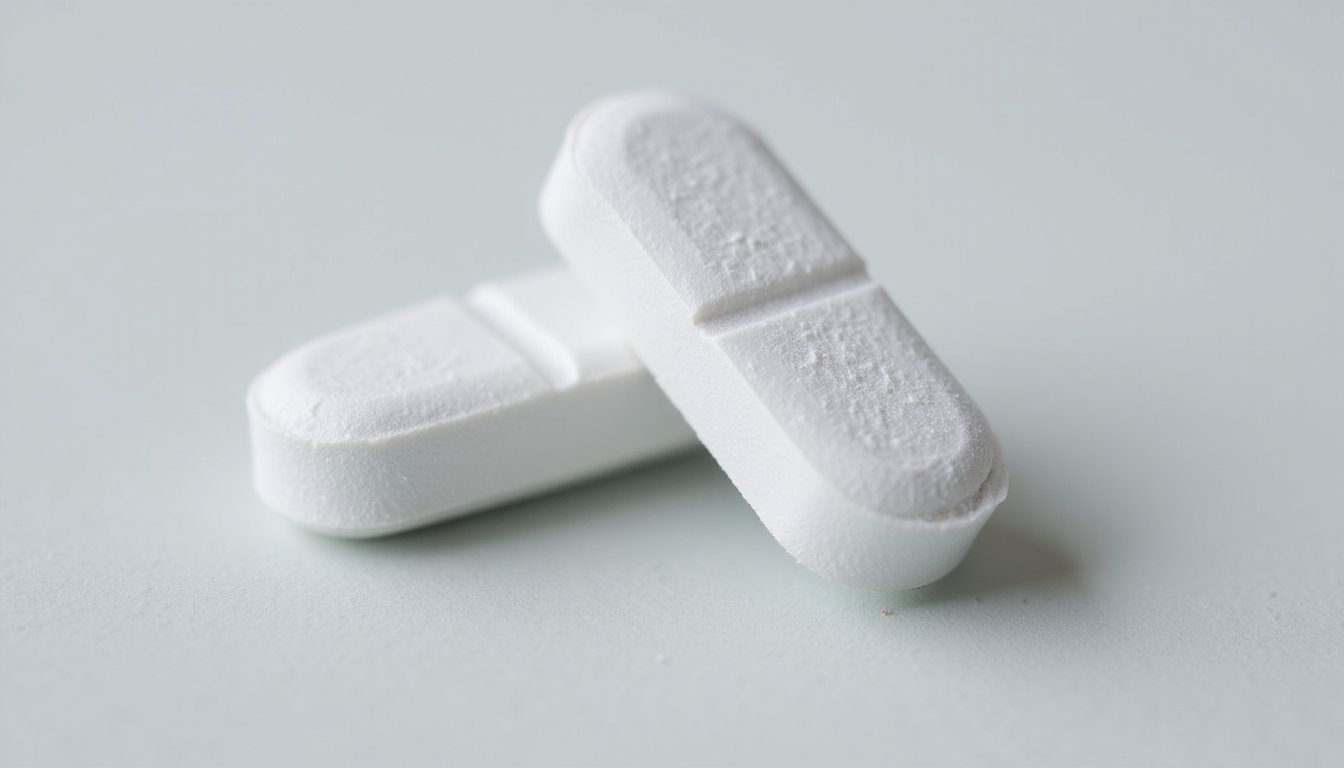
Beyond opioids, benzodiazepines like Xanax represent another class of substances that produce dangerous drowsiness through distinct neurochemical pathways. When you take these drugs, they bind to GABA-A receptors, enhancing inhibitory signals that hyperpolarize neurons and reduce brain excitability. This mechanism triggers profound sedation through alpha-1 subunit activation.
Your body develops tolerance quickly with repeated use, requiring higher doses to achieve the same calming effects. This escalation intensifies drowsiness and accelerates dependence. Xanax’s high lipid solubility causes accumulation in fatty tissues, prolonging sedation with chronic abuse. Because the liver breaks down Xanax, individuals with liver damage may experience even more prolonged and dangerous sedation effects.
The greatest danger emerges when respiratory depression occurs during overdose. Combined with amnesia from BNZ-1 receptor activity, you may not recognize escalating symptoms. Mixing benzodiazepines with alcohol or opioids creates synergistic CNS depression, dramatically increasing fatal overdose risk. If you or someone you know is struggling with benzodiazepine abuse, treatment options are available through qualified healthcare providers and recovery programs.
Date Rape Drugs That Cause Drowsiness and Blackouts
When you encounter GHB, even small doses of 1-2 grams produce rapid sedation within 15 minutes, causing drowsiness, dizziness, and unconsciousness lasting 2-3 hours while remaining detectable in urine for only 6-12 hours. Flunitrazepam (Rohypnol) acts as a potent benzodiazepine that impairs memory consolidation, creating anterograde amnesia that prevents you from recalling events during its 18-28 hour half-life. Combining either substance with alcohol creates synergistic CNS depression that intensifies sedation, respiratory suppression, and blackout severity beyond what each drug produces independently. These date rape drugs are commonly distributed at parties and clubs, where they can be easily dissolved into victims’ drinks without detection. Alcohol remains the most commonly used substance in drug-facilitated sexual assaults, often working in combination with these other sedatives to incapacitate victims.
GHB Sedation Effects
GHB, or gamma-hydroxybutyrate, operates as a potent central nervous system depressant that produces rapid sedation, making it one of the most commonly used substances in drug-facilitated sexual assault. You’ll experience effects within 5 to 20 minutes of ingestion, with the drug’s unique properties creating short-lived euphoric sensations before energy becomes depleted.
At 2 grams, you’ll fall into deep sleep, while 4 grams induces coma. The crash following GHB‘s desired effects stems from chemical imbalances it creates in your brain. You won’t remember events due to amnesia and blackouts that occur during intoxication. Unlike flunitrazepam overdose, which can be reversed with flumazenil, there is no antidote for GHB poisoning, and treatment remains purely supportive.
Detection proves difficult since GHB’s 27-minute half-life means it disappears from your bloodstream within 8 to 10 hours. When mixed with alcohol, synergistic depressant effects intensify, making you extremely sleepy and vulnerable. The drug is commonly sold as a liquid in small vials, appearing like water with no smell, which makes it particularly dangerous as it can be slipped into drinks undetected.
Flunitrazepam Memory Impairment
Flunitrazepam operates as a benzodiazepine that’s 10 times more potent than Valium, producing rapid-onset amnesia and sedation that makes it particularly dangerous as a date rape drug.
Within 15 minutes of ingestion, you’ll experience drowsiness, muscle relaxation, and slowed breathing. Low doses trigger initial euphoria followed by profound sedation, while higher doses induce deep sleep or coma. The drug’s most dangerous effect involves complete memory loss, you won’t recall events that occurred during intoxication.
Blackouts can last 2-3 hours, during which you’re incapacitated and unable to resist assault. This amnesia prevents victims from recalling attacks, severely complicating prosecution efforts. When combined with alcohol, flunitrazepam’s sedative effects become synergistic, dramatically increasing unconsciousness risk and potential death. Detection requires urine testing within 72 hours. Because the drug can be easily crushed and dissolved in beverages, it remains nearly undetectable by sight or taste, making it essential to never leave drinks unattended.
Alcohol Interaction Dangers
Because alcohol acts as a CNS depressant on its own, combining it with GHB, Rohypnol, or ketamine creates synergistic sedation that dramatically amplifies drowsiness, respiratory depression, and blackout potential. Unlike stimulants that produce a high through CNS activation, these downers suppress neural activity, and alcohol intensifies this mechanism exponentially.
| Drug | Dosage Effect with Alcohol | Primary Danger |
|---|---|---|
| GHB | 2g causes deep sleep; 4g induces coma | Respiratory failure |
| Rohypnol | Enhanced anterograde amnesia | Fatal overdose risk |
| Ketamine | Prolonged immobility and hallucinations | Complete incapacitation |
You’ll experience mood alterations, insomnia disruption, and psychedelic-like disorientation when these illegal drugs interact with alcohol. The synergy produces effects resembling hallucinogens, including hallucinations and severe mood swings, while detection windows shrink dramatically, complicating forensic analysis. These substances are often colorless, odorless, and tasteless when added to drinks, making them extremely difficult for victims to detect before consumption.
Does Marijuana Cause Drowsiness or Disrupt Sleep?
When you consume THC, you’ll experience reduced sleep onset latency and initial sedation through its action on cannabinoid receptors, with acute doses decreasing the time needed to fall asleep by over 30 minutes in regular users. However, THC simultaneously suppresses REM sleep, the critical phase for memory consolidation and emotional processing, even during short-term use. With chronic consumption, you’ll develop tolerance requiring higher doses while experiencing paradoxical sleep disruption, including wake-after-sleep-onset rates averaging 54.7% and sleep efficiency dropping below 85%. Research from the Center for BrainHealth found that individuals with cannabis use disorder reported poorer sleep quality and demonstrated lower visuospatial memory performance compared to non-users. In contrast, CBD works as a noncompetitive antagonist of CB1 receptors, producing somewhat opposite effects to THC and showing potential benefits for sleep onset without the same psychoactive properties.
THC’s Initial Sleep Effects
THC exerts dose-dependent effects on sleep architecture that produce seemingly contradictory outcomes depending on administration timing, concentration, and duration of use. When you consume acute low-dose THC, you’ll experience shortened sleep onset latency, meaning you fall asleep faster. Pre-sleep THC administration consistently THC demonstrates decreased sleep latency across multiple studies, making short-term THC use effective for sleep initiation. Research examining participants aged 21-70 found that age may intensify cannabis effects on sleep outcomes.
However, dose and form variations in THC effects create divergent outcomes. While you may report greater subjective sleep satisfaction with acute THC, high-dose THC links to negative sleep outcomes. The THC/CBD combination decreases total sleep time by approximately 24.5 minutes. Chronic THC use increases wake after sleep onset, disrupting sleep maintenance. Acute THC initially improves sleep duration, but prolonged consumption reverses these benefits, creating tolerance-dependent deterioration in your overall sleep quality.
REM Sleep Reduction
How exactly does cannabis alter your sleep architecture beyond simple sedation? THC directly suppresses REM sleep by delaying its onset and reducing overall duration. High doses decrease REM density and eye movement intensity, which directly impairs memory consolidation and cognition.
- THC delays the first REM stage and decreases total REM time
- Reduced REM impairs emotional regulation and memory processing
- Chronic use creates cumulative REM debt across consecutive nights
- Cannabis shows therapeutic potential for PTSD by reducing disturbing dreams
When you stop using cannabis, you’ll experience REM rebound, a surge of intense, vivid dreams and nightmares. This withdrawal effect disrupts sleep quality considerably. Despite feeling sedated initially, THC’s REM suppression leaves you with next-day drowsiness and grogginess, undermining the restorative sleep your brain requires.
Long-Term Sleep Disruption
Although marijuana’s sedative effects might seem beneficial for sleep initially, chronic use fundamentally damages your sleep architecture over time. Cannabis disrupts your sleep patterns by reducing sleep efficiency and fragmenting your natural cycles. You’ll experience non-restorative sleep characterized by frequent nighttime awakenings and increased time to fall asleep.
Long-term health consequences extend beyond restlessness. Your cognitive outcomes suffer as sleep disturbances mediate memory problems associated with heavy use. When you attempt withdrawal, you’ll face decreased total sleep time, reduced REM sleep, and increased wake episodes that heighten relapse risk.
Chronic users report persistent daytime sleepiness despite spending adequate hours in bed. Your brain’s sleep-regulating mechanisms become dysregulated, requiring higher doses to achieve diminishing sedative effects while accumulating tolerance and dependency that compound these disruptions.
Why Meth Causes Drowsiness After the Crash
When methamphetamine floods the brain during use, it forces neurons to release massive quantities of dopamine, serotonin, and norepinephrine, far exceeding normal physiological levels. This neurochemical depletion creates profound physiological exhaustion once the drug clears your system. Your brain can’t produce adequate neurotransmitters, resulting in severe energy depletion and anhedonia.
The crash triggers rebound hypersomnia as your body compensates for days without rest. Sleep architecture disruption means you’ll experience:
- Extreme fatigue lasting 24-48 hours post-binge
- Hypersomnia with sleep periods you can’t easily interrupt
- Vivid nightmares during recovery sleep phases
- Biphasic patterns alternating between drowsiness and insomnia
Psychological factors and emotional factors compound this exhaustion. Depression removes your motivation to stay awake, while anxiety creates physical tension that deepens fatigue. Your central nervous system simply demands extended recovery time.
How Ecstasy and Hallucinogens Cause Drowsiness

Ecstasy and hallucinogens disrupt your sleep architecture through serotonin-mediated pathways that differ fundamentally from methamphetamine’s dopamine-driven crash. MDMA’s hallucinogenic properties stem from serotonin 5-HT2A receptor activation, triggering massive serotonin release that regulates your sleep-wake cycles.
During acute use, you’ll experience significant sleep disruption including REM suppression, reduced slow-wave sleep, and increased sleep latency. The serotonin depletion that follows creates the notorious “come down” characterized by sleep problems, depression, and fatigue-like states lasting several days.
Chronic use produces lasting sleep effects: shorter total sleep time, decreased NREM sleep, and elevated sleep-onset REM periods. Your serotonin system sustains damage as neurons and metabolites diminish over time. Unlike typical sleep deprivation, MDMA-induced sleep loss doesn’t increase daytime sleepiness, instead, you’ll experience hyperarousal patterns similar to clinical insomnia.
Warning Signs of Drowsiness From Drug Use
Recognizing drug-induced drowsiness requires understanding the specific physiological markers that distinguish dangerous sedation from normal fatigue. You’ll notice that drug-related sleepiness presents with concurrent symptoms that don’t occur with natural tiredness.
Watch for these critical warning signs:
- Respiratory depression: Shallow breaths occurring fewer than 12 times per minute, combined with slowed breathing patterns
- Cardiovascular changes: Reduced blood pressure causing dizziness when standing
- Motor dysfunction: Slurred speech, lack of coordination, and slowed movements indicating CNS depression
- Consciousness alterations: Reduced consciousness ranging from excessive drowsiness to unresponsive sedation
When you observe these symptoms together, they signal dangerous drug-induced sedation rather than ordinary fatigue. The combination of respiratory compromise and cardiovascular depression creates life-threatening conditions requiring immediate medical intervention.
Frequently Asked Questions
Can Mixing Alcohol With Drowsiness-Causing Drugs Lead to Fatal Overdose?
Yes, mixing alcohol with drowsiness-causing drugs drastically increases your fatal overdose risk. When you combine depressants like opioids or benzodiazepines with alcohol, you’re compounding respiratory depression effects. Data shows alcohol co-involvement in opioid overdose deaths escalated 5.5-fold from 1999 to 2017. You’re essentially doubling down on CNS suppression, which can slow your breathing to dangerous levels. Benzodiazepine-opioid combinations proved particularly lethal, present in 33.1% of prescription opioid deaths.
How Long Does Drug-Induced Drowsiness Typically Last After Use?
Drug-induced drowsiness duration varies by substance. You’ll experience Benadryl’s sedation for 4-6 hours, with peak effects hitting at 1-3 hours post-ingestion. Zolpidem’s sleepy effects persist up to 8 hours or longer. Stimulant comedowns typically last 2-3 days, causing significant fatigue as neurotransmitter levels rebalance. Your metabolism, age, and dosage directly influence these timelines, older adults metabolize drugs slower, prolonging sedation. Complete drug elimination may require 24-48 hours for full clearance.
Does Age Affect How Drowsy Someone Becomes From Illegal Drugs?
Yes, age markedly affects your drowsiness response to illegal drugs. As you age, your liver and kidney function decline, slowing drug metabolism and elimination. Your body’s higher fat-to-water ratio concentrates lipophilic substances like THC and benzodiazepines, intensifying sedative effects. Reduced circulatory efficiency prolongs drug delivery to your brain, extending drowsiness duration. You’ll experience amplified sedation from depressants like heroin and heightened crash-phase sleepiness from stimulants compared to younger users.
Can Drug-Induced Drowsiness Cause Permanent Damage to Sleep Patterns?
Yes, drug-induced drowsiness can cause permanent damage to your sleep patterns. When you chronically use sedatives like opioids or benzodiazepines, you’ll alter your sleep architecture by disrupting NREM and REM stages. Prolonged hypnotic use triggers drug-induced insomnia, rebound effects, and dependency. You’re facing a 5-times increased insomnia risk during recovery, with disturbances lasting months to years. These neurochemical changes to your sleep-wake regulation may become irreversible without proper intervention.
Are Some People Genetically More Susceptible to Drug-Induced Drowsiness?
Yes, your genetic makeup markedly influences drowsiness susceptibility. Polymorphisms in genes like COMT Val158Met affect how you metabolize substances, Met/Met carriers experience heightened fatigue responses. Variants in 5-HTT and NR3C1 regulate serotonin and cortisol pathways, altering sedation intensity. SNPs in AHSG and POLDIP3 specifically correlate with sleep disturbance phenotypes. However, these markers indicate susceptibility, not certainty, your individual response depends on complex gene-environment interactions that can’t be precisely predicted.