




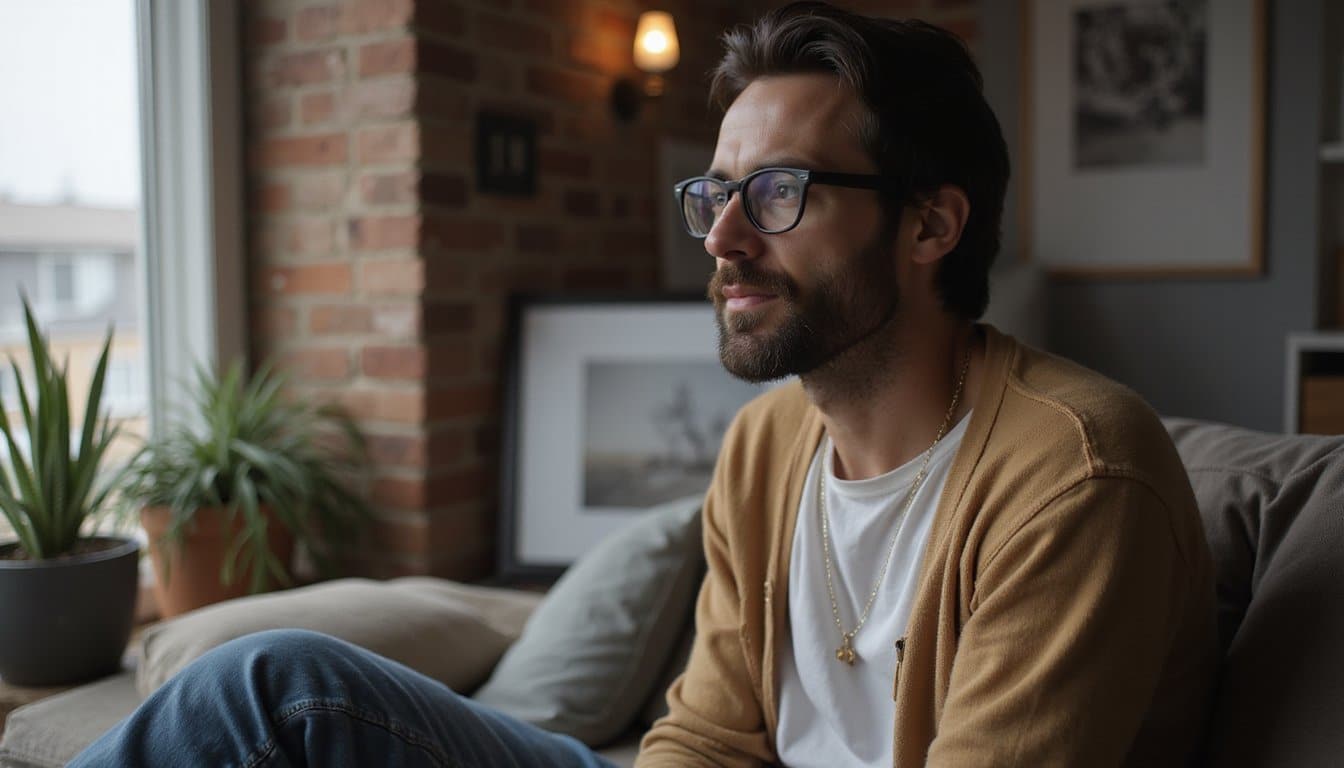

Recovery stories and films powerfully demonstrate that lasting change is possible. You’ll find inspiration in Robert Downey Jr.’s holistic transformation, Elton John’s 29-year sobriety journey, and Drew Barrymore’s evolution from childhood addiction to successful talk show host. Movies like “Beautiful Boy,” “Clean and Sober,” and “28 Days” authentically portray the challenges and triumphs of recovery. With success rates showing 75% of people achieve recovery, these personal victories and cinematic tales offer hope-filled blueprints for transformation.
Breaking Free: Success Stories That Challenge Stigma

While stigma often overshadows addiction recovery, compelling data reveals a more hopeful reality. You’re not alone – over 72% of adults with substance use challenges proudly identify as “in recovery,” demonstrating the power of personal empowerment in breaking free from addiction’s grip.
With medication-assisted treatment becoming more widely available at 39% of facilities for alcohol use disorder, treatment options continue expanding to meet diverse needs. Unfortunately, 95% of individuals who needed drug rehabilitation services last year did not receive treatment. Digital platforms offering virtual recovery options have seen substantial growth, especially since 2020.
The numbers tell a story of hope: 68% of people who complete detox programs successfully manage their substance use, with success rates climbing even higher in states like Florida.
Success rates for addiction recovery paint an encouraging picture, with over two-thirds of detox program graduates maintaining sobriety long-term.
Through stigma reduction efforts and expanded treatment options, more individuals are finding their path to recovery. You’ll find support through 17,353+ treatment facilities nationwide and 2.1 million peers in self-help groups.
These statistics aren’t just numbers – they’re proof that recovery is possible, and thousands are reclaiming their lives every day.
Recovery Journey: From Rock Bottom to Redemption
Behind every recovery success lies a powerful journey of transformation and hope. When you’ve hit rock bottom, it’s easy to feel like there’s no way out. But as countless recovery stories show, reaching that lowest point often becomes the catalyst for lasting change. Rigorous honesty with yourself and others is essential for maintaining sobriety and building trust in relationships.
Your redemption journey isn’t just about stopping substance use it’s about rebuilding your life piece by piece. Whether through longer treatment stays, customized recovery plans, or participation in support groups, you’ll discover what works best for you. Professional treatment programs that include medication-assisted treatment can reduce death rates by approximately 50% for those with opioid use disorders. With genetics accounting for 40-60% of risk, understanding your family history is crucial for developing an effective treatment strategy.
Research shows that high completion rates in treatment programs correlate with improved long-term sobriety outcomes, with 75% of individuals achieving recovery according to CDC data. Each step forward, no matter how small, brings you closer to joining the 22.3 million Americans who’ve successfully reclaimed their lives through recovery.
Real-Life Triumphs: Notable Public Recovery Stories

Though addiction affects people from all walks of life, public figures who’ve shared their recovery stories have helped break down stigmas and inspire hope.
Robert Downey Jr.’s journey from early substance use to holistic recovery through yoga and therapy demonstrates remarkable personal resilience. With support from his wife and a commitment to 12-step programs, he transformed his life after facing multiple arrests. Elton John’s 29-year sobriety and celebrity advocacy for professional treatment programs show that lasting change is possible.
Drew Barrymore’s transformation from childhood addiction to successful talk show host proves recovery can lead to profound achievements. Similarly, journalist Dana Knowles uses her six-year recovery story to encourage others. Her dedication to spiritual growth mirrors the journey of recovery and healing. Like Nicole’s transformation, she emerged from feeling lost and broken to achieve lasting sobriety.
These public voices join everyday heroes like Gina, who overcame a 20-year heroin addiction through family support and treatment. Their combined stories remind us that recovery isn’t just about surviving it’s about reclaiming life and helping others heal.
Silver Screen Impact: Movies That Spotlight Recovery
The power of storytelling through film has brought addiction recovery into mainstream consciousness, helping millions understand the complex journey toward healing.
Through compelling cinematic portrayals, you’ll find raw, honest addiction narratives that mirror real-life struggles and triumphs.
“My Name is Bill W” shows how peer support groups can transform countless lives by depicting the birth of Alcoholics Anonymous. Films like “Clean and Sober” and “28 Days” tackle the challenging early stages of recovery, while “A Star is Born” and “Rocketman” showcase how addiction affects even the most talented artists. “Beautiful Boy” powerfully demonstrates how meth addiction’s progression can devastate families across multiple years. “Flight” reveals how unresolved addiction can compromise even the most accomplished professionals.
These movies don’t shy away from showing both setbacks and breakthroughs, particularly in portraying the impact of relapse and the importance of support systems.
Documentaries like “The Anonymous People” and Russell Brand’s recovery story take it further by challenging societal stigmas and advocating for better understanding of addiction as a treatable condition.
Personal Transformations: Life-Changing Recovery Tales

Real-life recovery stories offer powerful testimony to the human spirit’s resilience and capacity for transformation. You’ll find hope in knowing that 22.3 million Americans have reclaimed their lives from substance use disorders, with three out of four people ultimately achieving recovery. Adults aged 50 and older have shown particularly inspiring progress, as they are more likely to recover from substance use problems.
These inspiring journeys often involve multiple pathways from outpatient treatment and support groups to sober living communities and recovery coaches. While transformation tales vary, successful recovery often combines professional help with strong support networks. Statistics show that individuals typically need five attempts before achieving lasting recovery.
You’ll see many individuals not only overcome addiction but also discover renewed purpose through community involvement and advocacy roles.
Despite challenges like stigma and access barriers, 70% of those who seek treatment report improved quality of life within a year, proving that lasting change is possible with proper support and dedication.
Behind the Statistics: Faces of Recovery Success
Statistics tell only part of the recovery story behind every percentage point and data trend are individuals who’ve courageously transformed their lives through treatment and support.
Recovery narratives reveal that 85% of those who engage in structured aftercare maintain sobriety for at least a year, while peer support programs boost success rates by 40%.
You’ll find inspiring personal journeys in the 68% of detox patients who report successful outcomes, and the 76% who maintain sobriety three months after completing alcohol rehab.
Modern treatment approaches, including trauma-informed care and medication-assisted treatment, have prevented over 112,000 overdose deaths annually.
While access barriers persist, especially among minority communities, the faces of recovery success demonstrate that transformation is possible through thorough care, family support, and sustained aftercare engagement.
With approximately 43.7 million Americans needing substance use treatment in the past year, the importance of sharing success stories becomes even more critical for inspiring others to seek help.
Recovery Champions: Stories That Inspire Change
When you hear stories of recovery champions breaking free from addiction, you’ll discover remarkable individuals who’ve transformed devastating challenges into powerful testimonies of hope.
You’ll meet people who’ve rebuilt their lives piece by piece, drawing strength from treatment programs, support networks, and an unwavering commitment to change.
Their journeys remind you that recovery isn’t just about statistics it’s about real people who’ve faced their struggles head-on and emerged stronger, proving that lasting transformation is possible for anyone ready to take that first step. While the path isn’t easy, with less than 20% of people maintaining sobriety for a full year after treatment, each success story represents a profound victory over addiction.
Triumph Over Life’s Trials
Through the remarkable journey of recovery, countless individuals have transformed their struggles into powerful testimonies of hope and resilience. You’ll find that overcoming adversity becomes possible with the right support – as shown by the 85% who maintain sobriety through structured aftercare programs and the 40% boost in success rates through peer support.
| Success Factor | Impact on Recovery |
|---|---|
| Family Support | 35% higher success |
| Peer Groups | 40% better outcomes |
| Aftercare | 85% stay sober |
| Treatment Length | 70% sober at 9 months |
Your resilience building journey benefits from proven approaches: integrated therapy, family involvement, and continuous support systems. When you embrace these evidence-based methods, you’re 5 times less likely to experience setbacks during treatment, and you’ll join the 80% who report improved quality of life post-recovery.
Champions Breaking Free Forever
Real champions emerge every day at Champions Recovery, where individuals discover their path to lasting freedom from addiction. Through personalized treatment plans and extensive support, you’ll find champions’ resilience shining through in their journey toward lasting recovery.
The program’s five residential facilities provide safe havens where healing begins and transformation takes root.
- Clinical services combined with community support create a foundation for sustainable change
- Customized recovery plans address your unique circumstances and co-occurring disorders
- Success stories showcase renewed hope and restored lives through dedicated support
Your path to recovery isn’t just about breaking free it’s about staying free. With Champions Recovery’s proven approach, you’ll gain essential life skills, access therapeutic interventions, and join a supportive community that understands your journey.
Recovery is possible, and you’re not alone.
Turning Points: Defining Moments in Recovery Stories
Most journeys to recovery begin with a pivotal moment that shatters the cycle of addiction. You’ll find these catalyst moments often emerge from life’s darkest corners a severe health crisis, legal troubles, or hitting rock bottom financially.
These personal awakenings can arrive through family interventions or profound spiritual experiences that reconnect you with your core values.
Your turning point might come through a near-fatal overdose that forces you to confront mortality, or through the heartfelt plea of a loved one who refuses to give up on you.
Sometimes, it’s the quiet realization during a moment of clarity that you’re ready for change. Whether dramatic or subtle, these defining moments become the foundation of your recovery story, marking the instant you chose to reclaim your life from addiction’s grip.
Healing Journeys: Recovery Stories That Give Hope
Recovery stories illuminate the path forward for those still struggling, showing that positive change isn’t only possible but achievable. Through healing connections and transformative support, you’ll find that 3 out of 4 people experiencing addiction eventually recover, with 80% reporting improved quality of life after treatment.
Recovery is more than a possibility it’s a reality for 75% of people who find healing through treatment and support.
- Long-term success rates are encouraging, with up to 89% maintaining sobriety one month after rehab and 70% showing improved functioning within a year.
- Support systems and continued care play essential roles, helping 76% stay sober at three months and maintaining hope through the journey.
- Your chances of lasting recovery increase greatly with program completion, as demonstrated by Florida’s 70% success rate.
These statistics aren’t just numbers they’re real people who’ve transformed their lives, proving that your recovery journey is worth pursuing.
Frequently Asked Questions
How Can Families Support Loved Ones During Early Stages of Recovery?
You can best support your loved one in early recovery by providing consistent emotional support while maintaining healthy boundaries.
Focus on open, nonjudgmental communication and be ready to offer practical help with transportation to meetings or treatment appointments.
Learn about addiction and recovery to better understand their journey.
Remember to practice self-care and celebrate small victories together.
Your presence and patience can make a significant difference in their recovery success.
What Percentage of Recovery Stories Involve Multiple Relapses Before Lasting Sobriety?
Looking at relapse patterns, you’ll find that multiple relapses are incredibly common on the path to lasting sobriety.
Recovery statistics show that 40-60% of people experience at least one relapse, and up to 85% relapse within their first year.
It’s important to understand that these setbacks don’t mean failure they’re often part of the journey.
Many people who achieve long-term sobriety have faced and overcome multiple relapses along the way.
Are There Differences in Recovery Success Rates Between Men and Women?
You’ll find notable gender differences in recovery outcomes.
While men are more likely to enter treatment initially (with 74-80% completion rates vs. 60-67% for women), women often show stronger resilience after setbacks.
You’ll notice women typically have shorter relapse periods and are more willing to re-enter treatment.
Women also respond particularly well to group therapy and emotion-focused approaches, though they face unique barriers like childcare responsibilities and increased social stigma.
Which Recovery Support Methods Show the Highest Long-Term Success Rates?
You’ll find the highest long-term success rates when combining multiple support methods.
Research shows that integrating medication-assisted treatment (MAT) with behavioral therapies and strong community support creates the most effective recovery path. When you add mindfulness practices and regular group meetings, success rates can reach up to 85%.
Structured programs that include family therapy, counseling, and ongoing community engagement consistently demonstrate better outcomes than single-method approaches.
How Do International Approaches to Addiction Recovery Differ From U.S. Methods?
You’ll notice stark differences in cultural attitudes between the U.S. and other nations.
While the U.S. emphasizes criminal justice and limited treatment modalities, countries like Portugal and Switzerland take more compassionate approaches.
They’ve decriminalized drug use and offer extensive care including supervised treatment, counseling, and housing support.
You can see the impact in their outcomes these countries report lower addiction rates, fewer overdoses, and better long-term recovery success than the U.S.