
Trusted Treatment Program for Veterans, Those Currently Serving And Local Community
Quest 2 Recovery provides comprehensive addiction treatment for adults seeking meaningful, lasting recovery. Located in Quartz Hill, we proudly serve individuals throughout Antelope Valley, including Lancaster, Palmdale, Rosamond, Ridgecrest, and Edwards Air Force Base.
Our programs are designed for the general population while remaining accessible to veterans and active-duty service members. We are in-network with TRICARE and participate in the VA Community Care Network, making treatment available to those who have served, while continuing to provide high-quality care to all adults in our community.
We understand that recovery for veterans often involves more than addressing substance use alone. Mental health concerns such as PTSD, anxiety, depression, and stress related to reintegration can play a significant role in the recovery process. Our clinical team takes a comprehensive approach, developing individualized treatment plans that consider each veteran’s history, current needs, and long-term goals.
We work closely with veterans, families, and professional partners to provide personalized treatment in a supportive and respectful environment. By honoring military service and fostering accountability, stability, and resilience, our programs aim to support meaningful, long-term recovery and help veterans move forward with confidence and purpose.
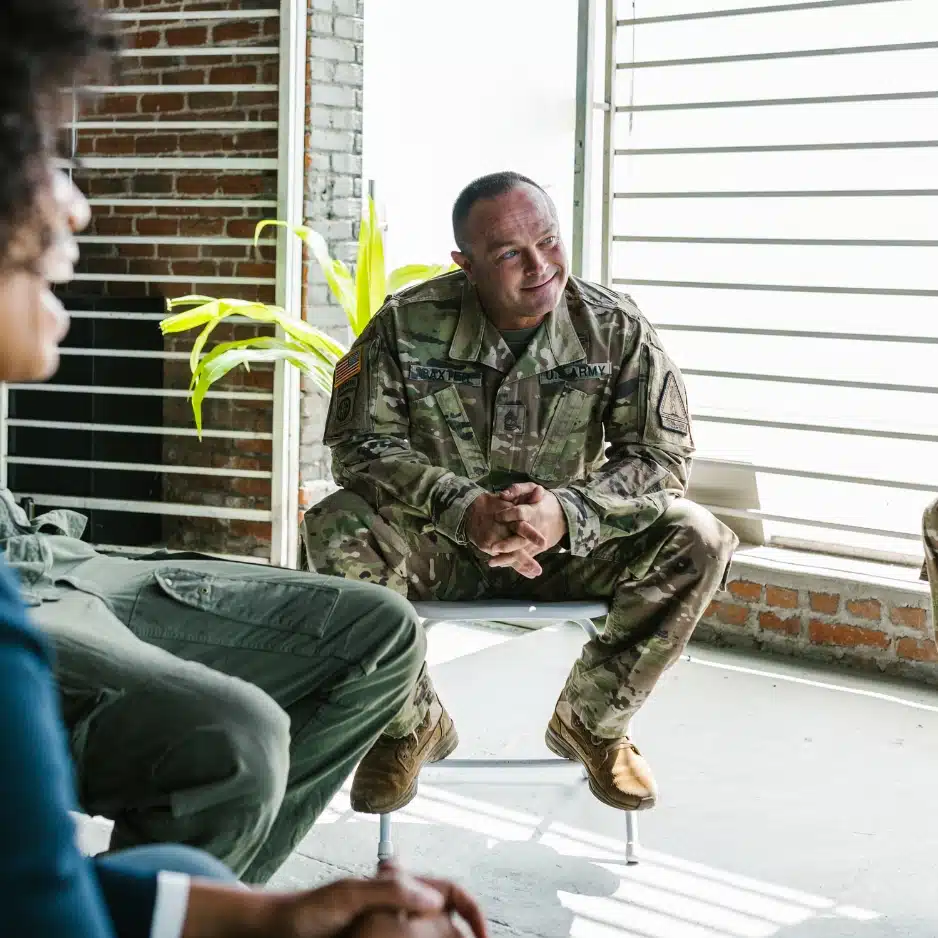
Serving Antelope Valley Residents, Veterans, and Active-Duty Service Members
Individualized Treatment Planning
Every veteran and those currently serving receives a personalized treatment plan developed by our clinical team. Plans are tailored to address substance use, mental health concerns, service-related experiences, and individual recovery goals, ensuring care is both effective and respectful of each veteran’s background.
Trauma-Informed & Mental Health Care
Our clinicians are experienced in supporting veterans with PTSD, anxiety, depression, and other service-related mental health conditions. Treatment is delivered using evidence-based, trauma-informed approaches designed to promote healing, stability, and long-term recovery.
24/7 Professional Support
Veterans and those currently serving have access to round-the-clock clinical support in a structured and secure environment. Our team is available at all times to provide guidance, monitor progress, and respond to emerging needs throughout the recovery process.
Evidence-Based Treatment Methods
We utilize proven therapeutic modalities, including individual therapy, group sessions, and integrated mental health support. Treatment is designed to address both substance use and co-occurring conditions while building practical coping and life skills.
Supportive & Respectful Environment
Quest 2 Recovery provides a calm, professional setting where veterans can focus on recovery with dignity and confidence. Our environment encourages accountability, peer support, and personal growth while honoring each individual’s service and experience.
How the Treatment Works for Veterans and Those Currently Serving
Our admissions and treatment process is designed to be clear, supportive, and respectful of veterans’ needs.
- Initial consultation and intake assessment
- Clinical review and individualized care planning
- Structured treatment and therapeutic support
- Ongoing coordination and discharge planning
Our team is available to answer questions and guide veterans or families through each step.

When to Seek Treatment?
Substance use disorders can affect anyone, professionals, parents, students, service members, and community members alike. Seeking help early can significantly improve long-term outcomes.
Early intervention provides stability, structure, and clinical guidance before challenges escalate further.
Signs Veterans and Active-Duty Service Members May Need Additional Support
Veterans and those currently serving may experience challenges that develop gradually or intensify over time, particularly when stress, trauma, or substance use go unaddressed. These signs can affect emotional well-being, relationships, work, and overall quality of life, and they may not always be immediately recognized as indicators that support is needed.
- Increased substance use
- Difficulty managing stress or emotions
- Sleep disturbances or isolation
- Anxiety, depression, or trauma-related symptoms
- Challenges transitioning to civilian life
It is important to note that these signs may appear differently in each individual. Veterans are often conditioned to push through difficulties, which can make it harder to recognize when additional support could be beneficial.
Early intervention can play a critical role in preventing symptoms from worsening and supporting long-term stability. Seeking help is not a sign of weakness, it is a proactive step toward improved well-being, resilience, and recovery.

Veteran & Community Early Intervention Services
Whether someone is newly struggling or has experienced long-term substance use issues, timely intervention can change the trajectory of their life.
Our Quartz Hill facility supports residents across Lancaster, Palmdale, Rosamond, Ridgecrest, Edwards AFB, and greater Antelope Valley, offering accessible care in a local setting. Families seeking guidance for a loved one can reach out to discuss available treatment pathways and next steps.
Supporting a Veteran Through Intervention
Understand the Veteran’s Needs
Veterans may experience challenges related to trauma, stress, reintegration, or mental health that are not always visible. Taking time to understand these factors can help ensure support is offered in a respectful and effective way.
Involve Professional Support
Working with experienced professionals can help guide conversations, determine appropriate next steps, and connect veterans with evidence-based treatment options tailored to their needs.
Build a Support Network
Involving trusted family members, peers, or professional advocates can help reinforce encouragement and accountability while ensuring the veteran does not feel isolated or overwhelmed.