






Managing emotional challenges during stroke recovery starts with recognizing that feelings like depression, anxiety, and frustration are common experiences. You’ll need a combination of professional support and personal strategies, including working with mental health specialists, joining support groups, and practicing daily mindfulness. Regular gentle exercise, like walking or tai chi, can boost your mood, while maintaining consistent self-care routines builds emotional resilience. There’s much more to explore about creating your personalized recovery journey.
Understanding Common Emotional Responses After Stroke
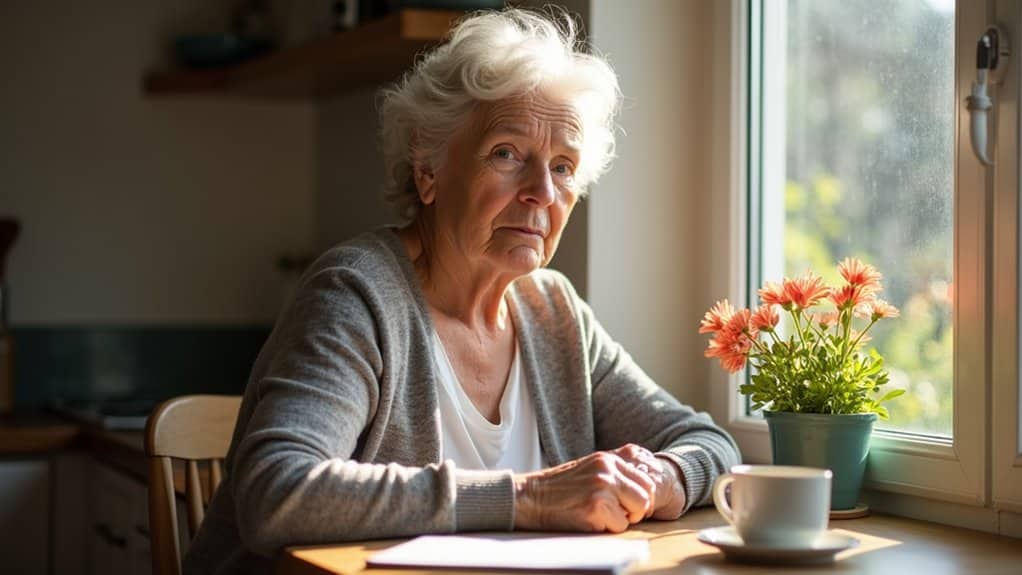
While physical recovery often takes center stage after a stroke, the emotional aftermath can be equally challenging for survivors.
You’ll likely experience a range of complex feelings as you navigate your recovery journey. Depression and anxiety affect up to one-third of stroke survivors, often occurring together and impacting your emotional resilience.
Depression and anxiety often intertwine during stroke recovery, affecting many survivors as they process their new emotional landscape.
You might notice unexpected emotional responses, like crying or laughing without apparent reason a condition called emotional lability.
Feelings of anger and frustration are natural as you adjust to changes in your independence. Your coping mechanisms may be tested by grief over lost abilities or shifts in your identity.
You could also experience irritability, confusion, or personality changes, which typically relate to the location of your brain injury and the recovery process.
Building Your Support Network for Recovery
Three key elements form the foundation of a strong support network during stroke recovery: family, friends, and formal support systems. Network diversity is essential, as research shows that combining family and friend support leads to better health outcomes than relying on family alone.
You’ll benefit from clearly defining caregiver roles and establishing peer connections through structured programs like support groups. These connections provide both emotional support and practical skill-sharing, while promoting community integration.
Don’t hesitate to engage with local organizations and the American Stroke Association for resource accessibility.
Remember that systemic advocacy and formal support systems can help you navigate healthcare challenges. By distributing responsibilities across multiple network members, you’ll prevent caregiver burnout and create a more sustainable support system that enhances your recovery journey.
Proven Strategies for Managing Anxiety and Depression

You’ll find that daily mindfulness practices, such as meditation or deep breathing exercises, can greatly reduce your anxiety and depression symptoms after stroke.
Working with a therapist who specializes in post-stroke recovery will help you develop personalized coping strategies and provide a safe space to process your emotions.
When you combine these approaches consistently engaging in mindfulness habits while attending regular talk therapy sessions you’re strengthening your emotional resilience and creating a solid foundation for recovery.
Daily Mindfulness Habits Matter
Living with post-stroke anxiety and depression can feel overwhelming, but evidence-based mindfulness practices offer real hope for emotional recovery. Research shows that dedicated mindfulness techniques can greatly reduce symptoms, with over half of participants achieving meaningful improvement in their emotional well-being.
You’ll find the most benefit by incorporating simple meditation practices into your daily routine. Start with guided body scans to reconnect with physical sensations, practice mindful breathing to regulate emotions, and consider keeping a gratitude journal to shift focus toward positive experiences.
Even brief sessions can make a difference studies show that modified, shorter programs work well for stroke survivors with cognitive challenges. Whether you choose structured programs like ACT or informal daily practices, consistency matters more than perfection in building emotional resilience.
Talk Therapy Success Tips
When it comes to managing post-stroke anxiety and depression, talk therapy offers remarkable success rates, with over 70% of survivors experiencing significant symptom improvement.
To maximize your success with talk therapy techniques, it’s essential to start within six months of your stroke, as earlier intervention leads to better outcomes.
During your sessions, focus on open emotional expression and be honest about your daily challenges, from work difficulties to social interactions.
You’ll find that therapy can help you rebuild your confidence in managing household tasks and maintaining relationships.
Don’t hesitate to discuss any concerns with your therapist they’re trained to help you develop practical coping strategies.
Physical Activities That Boost Mental Well-being
Starting your day with gentle movements, such as tai chi or seated yoga, can immediately boost your mood through the release of mood-enhancing hormones.
You’ll find that walking outdoors, even for short periods, combines the mental health benefits of fresh air and natural light with essential cardiovascular exercise. Working with rehabilitation specialists will help ensure your exercises are properly tailored to your specific recovery needs.
Joining group exercise classes specifically designed for stroke recovery not only provides structured physical activity but also offers valuable social connections that can help combat feelings of isolation during your rehabilitation journey.
Gentle Movement Each Day
Although stroke recovery presents many physical challenges, incorporating gentle daily movement into your routine can greatly boost both your physical and emotional well-being. You’ll find that activities like gentle yoga, mindful walking, and Tai Chi combine rhythmic breathing with movement meditation to reduce stress while improving balance. These practices, along with simple stretching routines, help engage your senses and rebuild mind-body connections.
| Movement Type | Physical Benefits | Emotional Benefits |
|---|---|---|
| Gentle Yoga | Improves flexibility | Reduces anxiety |
| Tai Chi | Enhances balance | Boosts mood |
| Mindful Walking | Builds stamina | Increases confidence |
| Stretching | Prevents stiffness | Relieves stress |
| Sensory Exercise | Activates neural pathways | Promotes calmness |
Start with just a few minutes each day, gradually increasing duration as your strength and confidence grow.
Outdoor Walking Benefits
The transformative power of outdoor walking extends far beyond basic physical rehabilitation after stroke. When you engage in regular outdoor mobility, you’ll experience both physical and emotional benefits that can greatly boost your recovery journey.
Natural light exposure helps regulate your sleep patterns and reduce depressive symptoms, while the varied terrain strengthens your balance and adaptability.
You’ll find that structured walking programs, especially those tracking 2,000 steps in 30-minute sessions, can improve your physical function and quality of life.
The outdoor environment offers unique advantages from social interaction opportunities that combat isolation to the motivating feedback from wearable devices.
Many stroke survivors report a 16.7% improvement in quality of life through walking-based rehabilitation, making it a powerful tool for managing emotional challenges during recovery.
Group Exercise Classes
While recovering from a stroke presents unique challenges, participating in structured group exercise classes can greatly boost both your physical and emotional well-being. The positive group dynamics create a supportive environment where you’ll connect with others who understand your journey, reducing feelings of isolation.
Exercise benefits extend beyond physical improvements when you participate in group classes:
- You’ll engage in diverse activities like walking, cycling, and strength training, which are specifically designed for stroke survivors aged 54-71.
- You can expect 2-3 weekly sessions lasting 30-90 minutes, providing consistent social interaction and structured recovery support.
- You’ll benefit from professional guidance in balance training, cardiovascular fitness, and upper limb exercises while building confidence alongside peers.
These community-based programs offer evidence-based approaches to enhance your recovery journey while fostering meaningful connections.
Working With Mental Health Professionals
Managing emotional health after a stroke often requires professional support, especially since over one-third of survivors experience depression within their first year of recovery. Your primary care provider can facilitate mental health referrals and help coordinate your treatment plan.
Don’t hesitate to discuss your emotional challenges, as early intervention improves outcomes.
Through therapy collaboration, you’ll work with professionals who understand stroke-related impairments and can tailor treatments to your needs. While antidepressants may be recommended, combining medication with psychological support often yields the best results.
If transportation or financial barriers arise, ask about community-based services or telehealth options. Remember, seeking mental health support isn’t a sign of weakness it’s an essential step in your recovery journey, and qualified professionals can provide the tools and strategies you need to cope effectively.
Creating a Sustainable Self-Care Routine

Establishing a sustainable self-care routine forms the cornerstone of successful stroke recovery, particularly since 40% of survivors struggle to maintain regular physical activity in their first year.
By implementing consistent self-care strategies, you’ll build resilience and improve both physical and emotional well-being.
Create a foundation for recovery with these essential components:
- Schedule daily activities at fixed times, including light exercise, meals, and rest periods.
- Practice mindfulness exercises for 10 minutes each day to manage stress and anxiety.
- Maintain a balanced diet while staying hydrated, and establish regular sleep patterns.
Frequently Asked Questions
How Long Do Post-Stroke Emotional Changes Typically Last?
Your post-stroke timeline for emotional changes varies considerably, as each person’s recovery journey is unique.
While some emotional shifts improve within 3-6 months, others may persist for years. Your emotional resilience plays a key role, and studies show that about 25% of survivors experience anxiety within five years post-stroke.
With proper treatment and support, you’ll typically see improvement over time, though some changes may require ongoing management.
Can Certain Medications for Stroke Recovery Affect My Mental Health?
Yes, your stroke recovery medications can impact your mental health.
Some medications, particularly SSRIs and SNRIs, may help improve both your mood and physical recovery through neuroplasticity effects.
However, you might experience medication side effects that affect your emotional well-being.
It’s important to tell your healthcare team about any mood changes you notice, as they can adjust your treatment plan to better balance your recovery needs and mental health.
When Should Family Members Seek Their Own Emotional Support?
You should seek emotional support as soon as you notice signs of caregiver strain, such as feeling overwhelmed, anxious, or isolated.
Don’t wait until you’re completely exhausted early intervention through self-care strategies and support groups can prevent burnout.
Watch for warning signs like disrupted sleep, irritability, or social withdrawal.
What Role Does Spirituality Play in Emotional Stroke Recovery?
Spirituality can be a powerful source of strength during stroke recovery. Your spiritual practices and faith support can help reduce depression, provide meaning, and improve your overall emotional well-being.
You’ll find that engaging in prayer, meditation, or religious activities can offer comfort and hope while helping you cope with challenges. Whether through organized religion or personal beliefs, spirituality can enhance your resilience and provide a supportive framework for healing.
How Do Seasonal Changes and Weather Affect Post-Stroke Mood?
You may notice your mood shifting with the seasons after a stroke.
Seasonal affective changes can impact your serotonin levels, especially during darker winter months.
Weather impact goes beyond just sunlight temperature fluctuations and humidity can affect your energy, sleep patterns, and emotional well-being.
You’re not alone in feeling these changes; many stroke survivors experience mood variations tied to seasonal shifts.
Understanding this connection helps normalize your experience.