






The most dangerous benzo withdrawal symptoms you can experience include seizures that may progress to life-threatening status epilepticus, particularly with short-acting drugs like Xanax. You’re also at risk for severe cardiac complications, including arrhythmias and blood pressure instability, affecting up to 80% of withdrawal cases. Suicidal ideation occurs in over 54% of people discontinuing use, while psychosis and delirium can emerge even without prior psychiatric history. Understanding each complication’s warning signs can help you recognize when to seek emergency care.
Seizures and Status Epilepticus
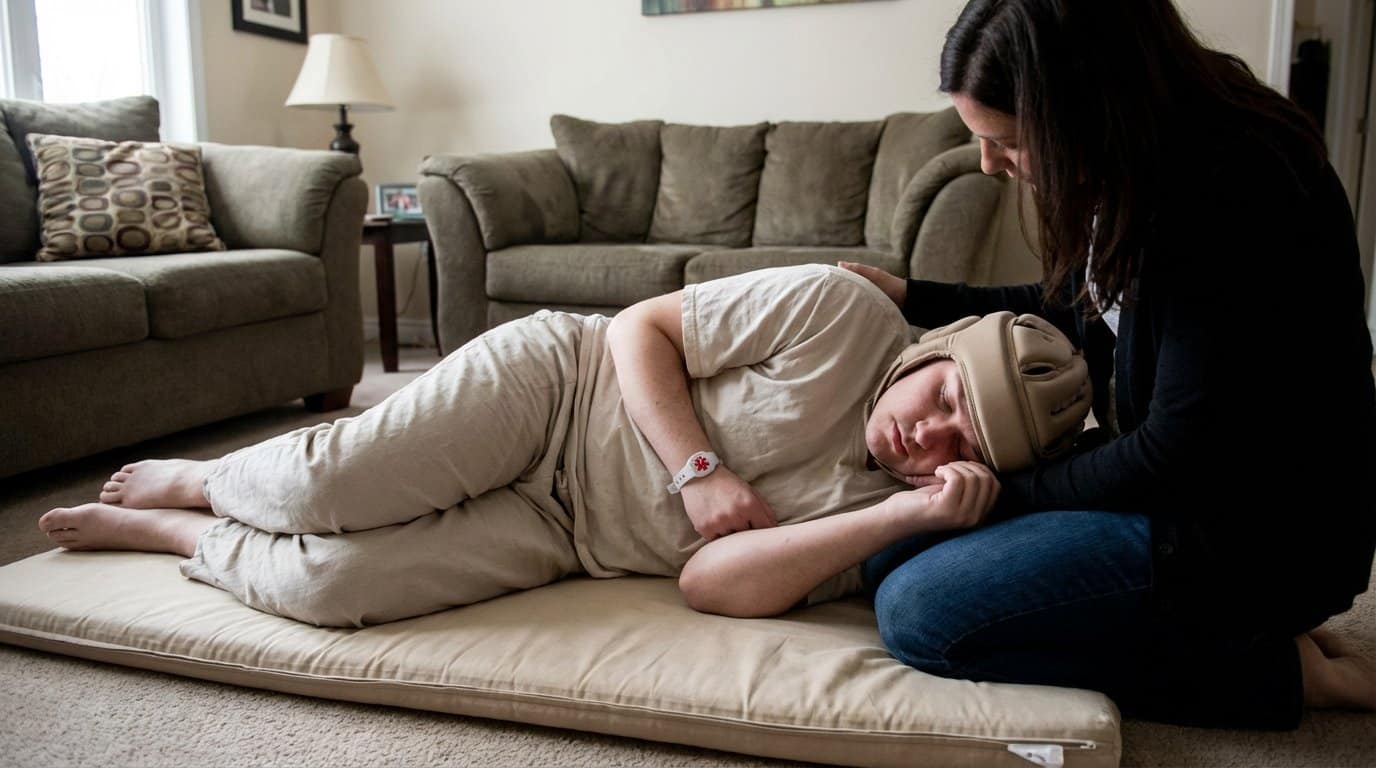
While benzodiazepine withdrawal affects a significant portion of long-term users, seizures represent one of the most dangerous potential complications. Research indicates 20-30% of long-term users experience withdrawal difficulties, with approximately one-third developing severe symptoms including seizures. You’re at heightened risk if you’ve used short half-life benzodiazepines like alprazolam, which accelerates seizure onset compared to longer-acting formulations.
Seizures can progress to status epilepticus, a life-threatening emergency requiring immediate medical intervention. Neurological complications extend beyond isolated seizures, withdrawal catatonia typically emerges 3-7 days post-discontinuation and may co-occur with seizure activity. In clinical reviews, 47% of acute withdrawal cases required hospitalization, with 7 patients needing ICU care. The severity of these cases sometimes necessitated endotracheal intubation, which occurred in 3.6% of patients studied.
Additional risk factors include concurrent opioid withdrawal, history of head injury, and predisposing psychiatric conditions that lower your seizure threshold. Research has shown that additional contributing factors were present in the majority of reported withdrawal seizure cases, being identified in 29 of 48 cases analyzed.
Suicidal Ideation and Severe Depression
Suicidal ideation and severe depression represent critical psychiatric complications during benzodiazepine withdrawal, often emerging independently of any pre-existing mental health conditions. Research shows 54.4% of discontinuing users report suicidal thoughts, with symptoms lasting months or longer in 76.6% of cases.
You may experience profound anhedonia and amotivation alongside persistent insomnia and fatigue, compounding depressive symptoms. A French nationwide study found adjusted odds ratios of 2.77 for suicide attempts among individuals without psychiatric history. Patients experiencing these severe symptoms often feel hopeless due to feeling invalidated by the medical community and their social circles. These prolonged complications are now being classified under the unified term benzodiazepine-induced neurological dysfunction (BIND), reflecting growing recognition of their distinct clinical presentation.
| Risk Factor | With Psychiatric History | Without Psychiatric History |
|---|---|---|
| Suicide Attempt | OR 1.74 | OR 2.77 |
| Completed Suicide | OR 1.45 | OR 1.80 |
| Risk Period | 30 days | 30 days |
Clinical assessments confirm these symptoms typically resolve post-withdrawal, emphasizing the withdrawal-specific nature of this risk.
Psychosis and Hallucinations

Beyond mood disturbances, benzodiazepine withdrawal can precipitate acute psychotic symptoms, including hallucinations and delusions that emerge even in individuals with no prior psychiatric history. Psychosis severity increases with high-dose, long-term use or rapid tapering protocols. Certain benzodiazepines like Xanax are more likely to produce psychotic symptoms due to their short half-life.
You may experience these hallucination types with varying hallucination intensity:
- Auditory hallucinations, hearing voices or sounds that don’t exist
- Visual hallucinations, seeing people, distorted shapes, or objects that aren’t present
- Tactile hallucinations, feeling sensations like insects crawling on your skin
Paranoid delusions often accompany these perceptual disturbances, causing you to believe external forces control your thoughts or behavior. Symptoms typically emerge within 1-4 days of cessation and can persist 10-14 days. Gradual tapering substantially reduces psychosis risk compared to abrupt discontinuation. Research indicates that the presence of benzodiazepine use is associated with more than double the chance of transitioning to psychosis.
Delirium and Consciousness Disturbances
When benzodiazepine withdrawal progresses beyond psychotic symptoms, it can trigger delirium, a severe disturbance in consciousness and cognition that represents a medical emergency. You may experience confusion, impaired memory, and difficulty concentrating as your mental status deteriorates. Visual, auditory, or tactile hallucinations often accompany these cognitive changes.
Neurotransmitter abnormalities, particularly disrupted GABA signaling, drive this life-threatening state. Abrupt discontinuation unmasks neuroadaptations, causing unopposed neuronal excitability. The underlying mechanism involves decreased GABAergic response combined with increased glutamate excitatory activity in the brain. You might also notice altered sensation disturbances, including tingling or numbness in your limbs, face, and trunk, along with blurred or double vision. Individuals with underlying mood disorders are particularly susceptible to developing severe complications including catatonia during withdrawal.
Clinical evidence demonstrates that immediate benzodiazepine reinstatement can abort delirium effectively. One documented case showed complete resolution within two days of lorazepam reinstatement. Without prompt recognition and treatment, delirium carries significant morbidity and mortality risk.
Cardiac Complications and Tachycardia

During benzodiazepine withdrawal, you may experience significant heart rate spikes driven by a surge in catecholamines that creates a highly adrenergic state, with FDA data indicating cardiovascular effects in 80% of withdrawal cases. Your blood pressure can become unstable, fluctuating alongside tachycardia as your autonomic nervous system responds to the absence of GABA modulation. These physiological changes increase your arrhythmia risk, as benzodiazepine withdrawal can induce QT interval prolongation and interfere with cardiac electrical activity, factors that elevate sudden cardiac arrest risk, particularly if you have underlying cardiovascular disease. In rare cases, this catecholamine surge can trigger Takotsubo cardiomyopathy, a reversible condition where the heart muscle becomes temporarily stunned, mimicking a heart attack. Patients who have been prescribed benzodiazepines for decades may face compounded cardiac risks during withdrawal, as long-term use has been associated with conditions like heart problems and thyroid disorders that further stress the cardiovascular system.
Heart Rate Spikes
Although benzodiazepine withdrawal primarily affects the central nervous system, it can produce significant cardiovascular complications that require careful monitoring. When you abruptly discontinue benzodiazepines, excess catecholamines can cause cardiac stunning and dysfunction. This hyper-aroused state drives tachycardia and arrhythmias, often resulting in dizziness and lightheadedness from irregular heart rhythms.
Treatment recommendations emphasize medical supervision during withdrawal to prevent severe cardiac events. A multidisciplinary approach involving cardiologists and neurologists is recommended for optimal patient outcomes. Key cardiovascular manifestations you should recognize include:
- Rapid heart rate exceeding normal parameters, occurring in 65.2% of withdrawal-associated Takotsubo cases
- Palpitations presenting as fluttering, skipped beats, or pounding sensations in your chest
- ECG abnormalities including ST-elevation and prolonged QT intervals, which mimic acute coronary syndrome
These symptoms typically resolve as your GABA receptors heal and CNS activity normalizes. Persistent and severe palpitations can lead to serious complications, including elevated blood pressure and increased risk of heart arrhythmias.
Blood Pressure Instability
Beyond heart rate abnormalities, benzodiazepine withdrawal destabilizes your blood pressure through opposing mechanisms that create dangerous fluctuations. Rebound hypertension develops when sympathetic nervous system suppression lifts, triggering elevated pressures that strain your cardiovascular system. This sustained pressure creates vessel damage concerns throughout your body, particularly affecting cerebral and renal circulation.
Simultaneously, you may experience orthostatic hypotension risk when standing, as your body struggles to regulate pressure during postural changes. This creates a paradoxical situation where your blood pressure swings between dangerously high and problematically low states. These drops can cause syncope and cognitive impairment due to reduced cerebral perfusion. You may also experience palpitations alongside these blood pressure fluctuations, adding to the cardiovascular stress your body endures during withdrawal.
Research shows blood pressure changes occur in 47.8% of withdrawal-associated Takotsubo cases. Uncontrolled hypertensive episodes can precipitate stroke or heart attack. Medical supervision during tapering allows clinicians to monitor these fluctuations and intervene before complications develop.
Arrhythmia Risk Factors
Your heart’s electrical system faces significant destabilization during benzodiazepine withdrawal, as the removal of GABA-mediated suppression triggers cascading effects on cardiac rhythm regulation. The peripheral benzodiazepine receptors influencing cardiac calcium channels undergo conformational changes, reversing the antiarrhythmic effects you experienced during use. This creates paradoxical positive inotropic responses that elevate arrhythmia risk.
Key arrhythmia risk factors include:
- QT interval prolongation leading to torsade de pointes and ventricular tachycardia
- Disrupted cardiac action potential from peripheral receptor dysregulation
- Concurrent respiratory distress compounding cardiac oxygen demand
Your vulnerability increases when muscle tremors and heightened sympathetic activity strain cardiovascular function. Patients with pre-existing cardiovascular disease face particularly elevated sudden cardiac arrest risk, with dose-response relationships showing higher consumption correlates with greater hazard ratios for life-threatening cardiac events. Research suggests a potential link between benzodiazepine discontinuation and atrial fibrillation development through the interaction of peripheral receptors and cardiac calcium channels, though establishing direct causality requires further investigation.
Severe Panic Attacks and Agitation
When the brain’s inhibitory systems suddenly lose benzodiazepine support, panic attacks and severe agitation often emerge as dominant withdrawal symptoms. You’ll experience sudden, intense fear accompanied by heart palpitations, sweating, trembling, and chest tightness. Nerve hypersensitivity drives muscle twitches, spasms, and heightened startle responses.
These symptoms peak between days one and seven, with short-acting benzodiazepine withdrawal producing maximum intensity on days two through four. You may notice perceptual disturbances including depersonalization and derealization alongside irritability, restlessness, and concentration difficulties.
The danger escalates with higher doses and abrupt cessation. Untreated severe cases can progress to hallucinations, seizures, or suicidal ideation. Medical supervision remains essential because agitation combined with autonomic instability can trigger life-threatening complications including status epilepticus.
Protracted Withdrawal Syndrome
You may experience symptoms that persist for six to twelve months or even years after stopping benzodiazepines, a condition known as protracted withdrawal syndrome. These ongoing symptoms, including cognitive deficits, persistent anxiety, insomnia, and sensory disturbances, can substantially diminish your quality of life and daily functioning. While there’s no cure beyond time, understanding that symptoms gradually improve with prolonged abstinence can help you manage expectations during recovery.
Long-Term Symptom Persistence
Protracted withdrawal syndrome represents a clinically significant condition where symptoms persist for months or even years after benzodiazepine cessation. You may experience ongoing cognitive deficits, gastrointestinal complaints, tinnitus, and sensory disturbances that gradually diminish over time.
Key characteristics of long-term symptom persistence:
- Symptoms from low-dose use typically persist six to twelve months before showing meaningful improvement
- Clinically significant symptoms may continue for years, though they decline progressively
- The protracted phase spans one month to over one year, with symptoms fading over many months
You should understand that no known cure exists except time. However, symptoms continue improving gradually, eventually allowing you to resume normal functioning. Failure to recognize this syndrome often leads to inappropriate medication reinstatement and escalating doses.
Quality of Life Impact
Beyond the timeline of symptom persistence, the daily reality of protracted withdrawal syndrome creates substantial burdens across multiple domains of functioning. You may experience impaired daily functioning through persistent panic attacks, concentration difficulties, and profound fatigue that collectively diminish your capacity for work, relationships, and self-care.
The data indicates reduced quality of life affects the majority of individuals in protracted withdrawal. You’re traversing cognitive deficits that impair memory and focus, sleep disturbances that prevent restorative rest, and sensory symptoms like tinnitus and inner trembling that persist for months or years. Research shows 76.6% of individuals report symptoms lasting months to years, averaging 15 distinct symptoms simultaneously. These overlapping burdens, anxiety, depression, motor dysfunction, and gastrointestinal distress, compound one another, creating a clinical picture where recovery requires sustained medical support and realistic expectations.
When to Seek Emergency Medical Care
How do you know when benzo withdrawal symptoms require immediate medical attention? During home withdrawal monitoring, you must recognize signs that exceed safe self-management. Family involvement during detox becomes critical for identifying dangerous symptoms you may not perceive clearly.
Knowing when withdrawal symptoms cross from manageable to dangerous could save your life, family support helps you see what you cannot.
Seek emergency care immediately if you experience:
- Seizures or convulsions, These can occur even from normal dosage withdrawal and may result in status epilepticus, a life-threatening condition requiring urgent intervention.
- Delirium with hallucinations, Consciousness disturbances accompanied by visual, auditory, or tactile hallucinations demand immediate psychiatric evaluation.
- Suicidal ideation with planning, If you’re experiencing thoughts of self-harm alongside specific plans or attempts, this constitutes a psychiatric emergency requiring professional intervention.
Don’t delay seeking help. These symptoms can deteriorate rapidly without proper medical management.
Frequently Asked Questions
How Long Do Dangerous Benzo Withdrawal Symptoms Typically Last?
Your most dangerous symptoms typically peak within the first 1-2 weeks, with seizures and delirium posing the greatest risk during this period. Withdrawal duration variability depends notably on your specific situation, acute phase symptoms generally resolve within 2-4 weeks. However, withdrawal symptom timeline factors like your dosage history, the benzo’s half-life, and tapering approach directly influence this window. You shouldn’t discontinue benzodiazepines without medical supervision, as complications can be life-threatening.
Can I Safely Stop Benzos Cold Turkey at Home?
No, you shouldn’t stop benzos cold turkey at home. Abrupt cessation can trigger life-threatening seizures, convulsions, and psychosis without warning. Your nervous system requires time to readjust after prolonged benzodiazepine use. You need professional medical supervision to safely discontinue these medications. Doctors will create a gradual tapering plan customized to your dosage history and individual risk factors, dramatically reducing dangerous withdrawal complications and protecting your long-term health.
Which Benzodiazepines Cause the Most Severe Withdrawal Symptoms?
High-potency, short-acting benzodiazepines like alprazolam (Xanax) cause the most severe withdrawal symptoms. You’ll experience rapid-onset rebound anxiety, seizures, and psychosis due to quick elimination. Paradoxical withdrawal effects, including heightened agitation and hallucinations, occur more frequently with these agents. Understanding benzo cross tolerance helps clinicians substitute longer-acting alternatives during tapering. If you’ve used high doses chronically, you’re at elevated risk for delirium and autonomic instability requiring medically supervised detoxification.
Does the Dosage Amount Affect Withdrawal Symptom Severity?
Yes, dosage amount does influence withdrawal severity, though the relationship isn’t straightforward. Research shows a high correlation between adjusted benzodiazepine dose and withdrawal intensity. However, you should know that 20-50% of users experience withdrawal even at therapeutic doses. Your withdrawal timeline also matters, peak severity occurs within 2 days for short-acting agents and 4-7 days for long-acting ones. Individual factors like personality traits can affect your experience independently of dose.
Are Certain People More at Risk for Dangerous Withdrawal Symptoms?
Yes, certain individuals face markedly higher risks during benzodiazepine withdrawal. You’re more vulnerable if you’re elderly, have a history of seizures, or possess genetics linked to familial alcohol disorders. Underlying medical conditions, particularly psychiatric disorders or cardiovascular problems, considerably increase complication rates. If you’re using alcohol, opioids, or other sedatives concurrently, you’ll experience amplified withdrawal severity. These risk factors warrant careful medical evaluation and supervised tapering to prevent potentially life-threatening outcomes.