






Pill detox involves safely eliminating substances from your body while managing withdrawal symptoms under professional care. You’ll need medical supervision if you’re dependent on benzodiazepines, opioids, or have used substances for extended periods, as quitting cold turkey can trigger seizures, severe cravings, or life-threatening complications. Healthcare providers use evidence-based tapering protocols and medications like buprenorphine to reduce risks. Understanding your specific risk factors will help you determine the safest path forward.
Understanding the Basics of Pill Detoxification
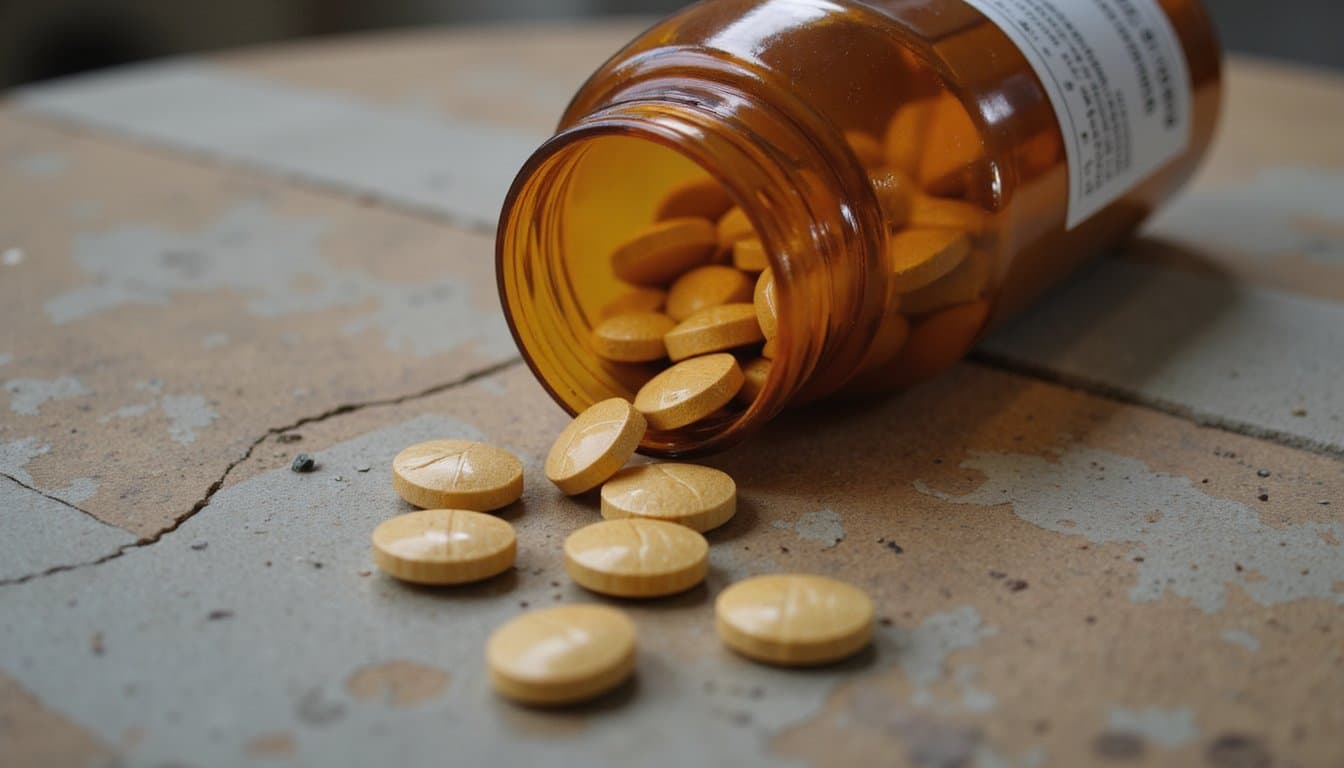
When you’re ready to stop taking certain medications, understanding how detoxification works can help you prepare for what’s ahead. The process begins with evaluation, where medical professionals determine which substances are present and their concentrations in your body.
During detox, you’ll move through distinct phases. The acute phase typically lasts several days, bringing the strongest cravings and most severe symptoms. Next comes stabilization, lasting weeks as your body adjusts and symptoms improve.
Your treatment team will conduct medical screenings, review your psychiatric history, and develop a personalized plan. This includes medication-assisted approaches to ease withdrawal, nutritional considerations like balanced meals and hydration, and psychological support to address mood swings. Attempting to detox without professional help can be dangerous and may lead to relapse. These evidence-based interventions create a safer foundation for your recovery journey.
Common Types of Pills That Require Professional Detox
Although many medications can be safely discontinued at home, certain substance classes carry significant withdrawal risks that demand professional supervision.
Prescription opioids, including hydrocodone, oxycodone, and fentanyl, bind to opioid receptors and create severe physical dependence. Your pill detox timeline for these substances involves medically monitored tapering with medications like buprenorphine or Suboxone. Adjunct medications may also be used to manage emotional withdrawal aspects during the detox process.
Prescription opioid detox requires medical supervision, medications like buprenorphine help manage withdrawal safely and effectively.
Benzodiazepines such as Xanax, Valium, and Ativan present unique challenges. You’ll experience anxiety resurgence, insomnia, and potentially protracted withdrawal syndrome lasting months. Detox facility requirements include substituting short-acting benzos with longer-acting alternatives for gradual reduction.
Alcohol withdrawal, while not pill-based, often co-occurs with prescription drug dependence. You risk seizures and strokes without 24-hour monitoring. Anticonvulsants and benzodiazepines stabilize your system during this critical phase. Medications like naltrexone may be administered by medical professionals to help manage the withdrawal process safely.
The Timeline of Pill Withdrawal Symptoms

When you stop taking opioid pills, withdrawal follows a predictable pattern that helps you and your medical team prepare for what’s ahead. Early signs like anxiety, muscle aches, and nausea typically emerge within 8-36 hours depending on whether you’ve been using short-acting medications like oxycodone or long-acting ones like methadone. Peak symptoms hit hardest at 48-72 hours with intense cravings and physical distress, before gradually stabilizing over 1-4 weeks as your body adjusts to functioning without the drug. Even after physical symptoms decrease around one week, psychological symptoms like depression and irritability often persist, making continued support essential during recovery. Healthcare providers often use the Clinical Opioid Withdrawal Scale (COWS) to measure your symptom severity and guide treatment decisions throughout this process.
Early Withdrawal Signs
The body’s alarm system activates within hours of missing a dose, signaling the start of withdrawal through a predictable sequence of symptoms. The pacing of symptom emergence depends on whether you’ve used short-acting or long-acting medications. Short-acting opioids trigger anxiety, muscle aches, and excessive sweating within 6-24 hours, while long-acting formulations delay onset to 24-72 hours. Partial agonists like buprenorphine produce milder withdrawal symptoms due to their tight but partial activation of opioid receptors.
The impact of tolerance on onset considerably influences your experience. Higher doses and longer use periods intensify early symptoms. You’ll notice yawning, runny nose, and insomnia disrupting your sleep patterns. Benzodiazepine withdrawal presents differently, with sleep disturbances and tremors dominating the first four days. Unlike opioid withdrawal which typically resolves within 10 days, benzodiazepine withdrawal can persist for weeks or months in long-term users.
Your drug type, dosing frequency, and method of use determine how quickly symptoms escalate, making medical assessment essential before attempting detox.
Peak Symptom Period
After those initial warning signs subside, withdrawal enters its most intense phase, the peak symptom period. The timeline varies markedly depending on which medication you’ve been taking.
If you’re detoxing from short-acting opioids, expect peak symptoms between 48, 72 hours after your last dose. You’ll experience elevated heart rate, blood pressure spikes, gastrointestinal distress, and intense cravings. Long-acting opioids delay this peak to 3, 8 days, with symptoms persisting 10, 20 days total. During this critical window, the risk of relapse increases significantly as individuals struggle to manage the overwhelming symptoms on their own. The second phase of withdrawal often brings more psychological symptoms like depression, loss of motivation, and persistent cravings that require ongoing support.
Benzodiazepines present the longest peak symptom duration, reaching maximum intensity around two weeks post-discontinuation. The intensity of withdrawal can extend months without proper treatment.
Stimulants like Adderall peak within 4, 7 days, while gabapentinoids hit hardest during the first five days. Understanding your specific medication’s timeline helps you prepare for what’s ahead.
Stabilization Phase Duration
Once peak symptoms begin to subside, you’ll enter the stabilization phase, a period where your body gradually returns to baseline functioning. For short-acting opioids, stabilization typically occurs within 5, 10 days, while long-acting opioids require 10, 20 days. Methadone users may need up to 21 days for symptoms to fully resolve.
Benzodiazepine stabilization demands extended monitoring stabilization timelines, shorter-acting formulations require 2 weeks to 1 month, whereas longer-acting types extend 2 weeks to 2+ months. Buprenorphine presents variable, often prolonged durations due to its partial agonist properties.
Managing post acute symptoms remains essential during this phase, as lingering effects can persist for weeks beyond acute withdrawal. Your stabilization timeline depends on factors including duration of use, dosage levels, and the specific substance involved. No single withdrawal timeline applies universally, as individual differences significantly influence how each person progresses through recovery. Medical supervision facilitates safe progression through this critical recovery period. If you experience difficulties accessing online recovery resources, you can email the site owner with details about the issue and any provided reference IDs for assistance.
Warning Signs That Indicate You Need Medical Supervision

How do you know when detoxing at home becomes dangerous? Your body sends clear signals when withdrawal exceeds safe self-management. Watch for seizures, severe tremors, or confusion, these demand immediate intervention. You’ll need crucial sign monitoring if you experience rapid heartbeat, blood pressure spikes, or breathing difficulties.
| Physical Signs | Psychological Signs | Risk Factors |
|---|---|---|
| Seizures or tremors | Severe anxiety or panic | History of heavy use |
| Vomiting and dehydration | Hallucinations | Previous severe withdrawal |
| Heart palpitations | Suicidal thoughts | Polydrug use |
Don’t underestimate psychological support needs. Overwhelming anxiety, insomnia, and mood instability increase relapse risk remarkably. Trained professionals can provide counseling, therapy, and mental health assessments to help you navigate these emotional challenges during withdrawal. If you’ve used substances long-term or at high doses, professional supervision isn’t optional, it’s essential for survival. Following detox completion, transition to addiction treatment is strongly recommended to support long-term recovery and help maintain abstinence.
Benzodiazepine Detox and Why It Demands Clinical Oversight
Benzodiazepines present withdrawal risks that place them among the most dangerous substances to quit without supervision. Your body can develop physiological dependence within three to four weeks of regular use, even when you’re taking medication as prescribed. Quitting cold turkey risks seizures, delirium tremens, and potentially fatal autonomic instability.
Medical stabilization during detox involves a gradual taper, either reducing your current benzodiazepine dose or switching to longer-acting options like diazepam. Licensed facilities provide 24/7 monitoring of crucial signs and immediate intervention for emergencies. Inpatient detox averages nine days, while outpatient programs run approximately six and a half days.
The role of counseling post detox proves essential for sustained recovery, addressing underlying factors and preventing relapse after you’ve achieved physical stability. Even after completing detox, some individuals experience post-acute withdrawal syndrome, a persistent set of symptoms including chronic insomnia and difficulty concentrating that can last for months or years.
Opioid Pill Withdrawal and Medication-Assisted Treatment Options
Opioid pill withdrawal rarely poses the same life-threatening risks as benzodiazepine detox, yet the intense discomfort drives many people back to use before completing the process. Within 6-12 hours after your last dose of short-acting opioids like oxycodone, you’ll likely experience anxiety, muscle aches, excessive sweating, and insomnia. By 72 hours, symptoms peak with abdominal cramping, nausea, vomiting, and joint pain.
Unlike non opioid pill withdrawal, medication-assisted treatment considerably improves your outcomes. Medically supervised tapering reduces symptom severity, while combination drug detox addresses polydrug use complications. Higher dosages and prolonged use intensify your withdrawal experience, making clinical oversight essential.
Evidence-based protocols use medications to manage symptoms safely, preventing relapse and ensuring you complete detoxification. Most symptoms resolve within 5-7 days with proper medical guidance.
The Role of Tapering in Safe Pill Detoxification
Tapering involves gradually reducing your medication dosage over time rather than stopping abruptly, allowing your body to adjust to decreasing substance levels. This approach minimizes withdrawal severity and spreads symptoms across a manageable timeline.
Tapering lets your body gradually adjust to lower medication levels, reducing withdrawal intensity and making recovery more manageable.
Your healthcare provider develops customized tapering schedules based on:
- Substance type, Opioids typically follow 10-25% reductions every 3-4 days, while benzodiazepines may require 25% weekly decreases over 15 weeks.
- Dependency duration, Longer use demands slower, extended tapers spanning weeks to months.
- Your health status, Pre-existing conditions influence reduction speed and monitoring frequency.
Avoiding self tapering dangers requires professional supervision. Miscalculated reductions can trigger severe withdrawal, relapse, or medical emergencies. Evidence shows slower, medically supervised tapers reduce cravings and improve treatment retention rates.
Medications Used to Manage Pill Withdrawal Symptoms
When you’re managing pill withdrawal symptoms, your medical team may prescribe specific medications based on the substance you’re detoxing from. Benzodiazepines like diazepam can reduce anxiety and irritability during alcohol or sedative withdrawal, while anticonvulsants such as carbamazepine and gabapentin help prevent seizures and decrease cravings. If you’re withdrawing from opioids, methadone works as a long-acting agonist that stabilizes your system and reduces both cravings and withdrawal symptoms.
Benzodiazepines for Anxiety Relief
Although benzodiazepines carry their own dependence risks, they remain valuable tools for managing acute anxiety symptoms during pill withdrawal when used appropriately under medical supervision.
These medications provide fast-acting relief for physiological symptoms you may experience during detox:
- Muscle tension and headaches that intensify during withdrawal
- Panic attacks accompanied by sweating and restlessness
- Insomnia that disrupts your recovery process
Long term use concerns make benzodiazepines unsuitable as standalone treatment. You’ll need regular re-evaluation, the lowest effective dose, and a gradual tapering process.
In specialized settings and as needed use, benzodiazepines prove particularly effective when you’re shifting to antidepressants or therapy. Your provider may prescribe them temporarily while waiting for SSRIs to take effect. Few alternatives match their safety and efficacy profile for acute anxiety management during supervised detoxification.
Anticonvulsants Prevent Seizures
Seizure prevention represents one of the most serious concerns during pill withdrawal, particularly when you’re detoxing from benzodiazepines, barbiturates, or alcohol. Your brain’s electrical activity becomes dangerously unstable during this period, making anticonvulsant medications essential for safe detoxification.
These drugs work through distinct antiseizure properties. Understanding each mechanism of action helps explain why physicians select specific medications for withdrawal management.
| Medication | Mechanism of Action | Clinical Application |
|---|---|---|
| Phenytoin | Blocks persistent sodium current | Prevents repetitive neuronal firing |
| Valproate | Enhances GABA responsiveness | Broad-spectrum seizure control |
| Carbamazepine | Use-dependent sodium channel blockade | Targets high-frequency discharges |
| Gabapentin | Calcium channel modulation | Reduces excitatory transmission |
| Levetiracetam | Binds SV2A protein | Stabilizes synaptic function |
You shouldn’t attempt withdrawal from seizure-prone substances without medical supervision and appropriate anticonvulsant coverage.
Methadone for Opioid Cravings
Methadone activates mu-opioid receptors more slowly than heroin or fentanyl, which allows it to reduce withdrawal symptoms and cravings without producing the intense euphoria associated with misused opioids. As a full opioid agonist, it’s tailored to your individual tolerance and administered through specialized opioid treatment programs.
Research demonstrates methadone’s effectiveness:
- Overdose reduction: 76% lower risk at three months, 59% at twelve months
- Treatment retention: Superior long-term outcomes compared to tapering approaches
- Health improvements: Reduced HIV and hepatitis C transmission rates
Reducing methadone stigma remains essential since fewer than one in five people with opioid use disorder receive these medications. Medication compliance strategies, including take-home doses for stable patients, improve retention and outcomes while supporting your recovery journey.
Risk Factors That Increase the Need for Supervised Detox
Several critical factors determine whether you’ll need medical supervision during detox, and understanding them can mean the difference between a safe recovery and a life-threatening emergency. Your substance type matters considerably, alcohol and benzodiazepine withdrawal can trigger fatal seizures and delirium tremens. Comorbid conditions like heart disease, diabetes, or PTSD compound withdrawal risks tremendously. Demographic factors including age and nutritional status affect how your body handles detox stress.
| Risk Factor | Why It Matters |
|---|---|
| Alcohol use over 10 years | Elevates DTs risk up to 5% |
| Multiple substance dependence | Increases fatal outcome probability |
| High blood pressure | Worsens without crucial monitoring |
| Previous traumatic detox | Signals need for 24/7 oversight |
Transitioning From Detox to Long-Term Addiction Treatment
Completing detox marks a critical milestone, but it’s only the first of three essential phases in addiction recovery, evaluation, stabilization, and shift to holistic treatment. Your change plan should begin during detox, not after, to maintain momentum and reduce relapse risk.
Effective alterations depend on three key facilitators:
- Discharge planning initiated early in your detox stay ensures seamless care coordination
- Family and social support systems that encourage continued treatment participation
- Proximity and transportation to your next level of care
You’ll typically move into residential inpatient programs or partial hospitalization programs based on your medical and psychological needs. These settings address root causes through evidence-based therapy and coping skill development. Research shows successful changes lead to reduced relapse rates, decreased crisis healthcare use, and improved employment outcomes.
Frequently Asked Questions
Can I Use Holistic Therapies Like Acupuncture Alongside Medical Pill Detox?
Yes, you can use acupuncture alongside medical pill detox. Research shows acupuncture reduces withdrawal symptoms like cravings, anxiety, and insomnia. The NADA protocol demonstrates higher treatment completion rates and fewer positive drug tests when combined with conventional care. However, you’ll want to consult your healthcare provider before adding any holistic approaches, including the use of herbal remedies or dietary changes, to verify they don’t interfere with your prescribed detox medications.
What Nutritional Supplements Help Support the Body During Pill Detoxification?
During pill detoxification, you’ll benefit from multivitamins to replenish depleted nutrients, liposomal vitamin C for antioxidant support, and liver cleansing herbs like milk thistle to aid toxin metabolism. Gut healing supplements including calcium D-glucarate support elimination pathways, while molybdenum assists sulfite breakdown. B vitamins, particularly thiamin and riboflavin, enhance your liver’s detox capacity. Always consult your healthcare provider before starting supplements, as they can interact with medications during your detox protocol.
How Does Pill Detox Differ From Alcohol Detox in Terms of Duration?
Your withdrawal timeline varies drastically based on the substance. Alcohol detox typically peaks within 48-72 hours and resolves in 7-10 days, while pill detox ranges widely, opioids last 3-10 days, but benzodiazepines can extend 1-4 weeks due to physiological differences in drug half-lives. Alcohol poses concentrated early seizure risks, whereas pills present more variable, prolonged withdrawal patterns. You’ll need medical supervision for both, as each carries distinct safety concerns.
Will My Insurance Cover the Cost of Medically Supervised Pill Detox?
Most insurance plans cover medically supervised pill detox under mental health and substance abuse benefits, thanks to ACA mandates and parity laws. However, you’ll face insurance coverage limitations based on your specific policy, network requirements, and medical necessity documentation. You should contact your provider directly to verify benefits and understand out-of-pocket costs like deductibles and copays. Treatment centers can also help verify your coverage and navigate prior authorization requirements.
Can I Continue Working While Undergoing Outpatient Pill Detoxification Treatment?
Yes, you can continue working while undergoing outpatient pill detoxification treatment. Programs offer flexible scheduling, early mornings, evenings, and weekends, so you’re capable of managing work responsibilities effectively. Standard outpatient requires just 1, 3 sessions weekly, minimizing disruption. Many clients report maintaining productivity and even improved focus after starting treatment. You’re also protected by FMLA and ADA, which provide job safeguards and reasonable accommodations like adjusted hours during your recovery journey.