






How Psilocybin Dose Levels Shape Experience Intensity
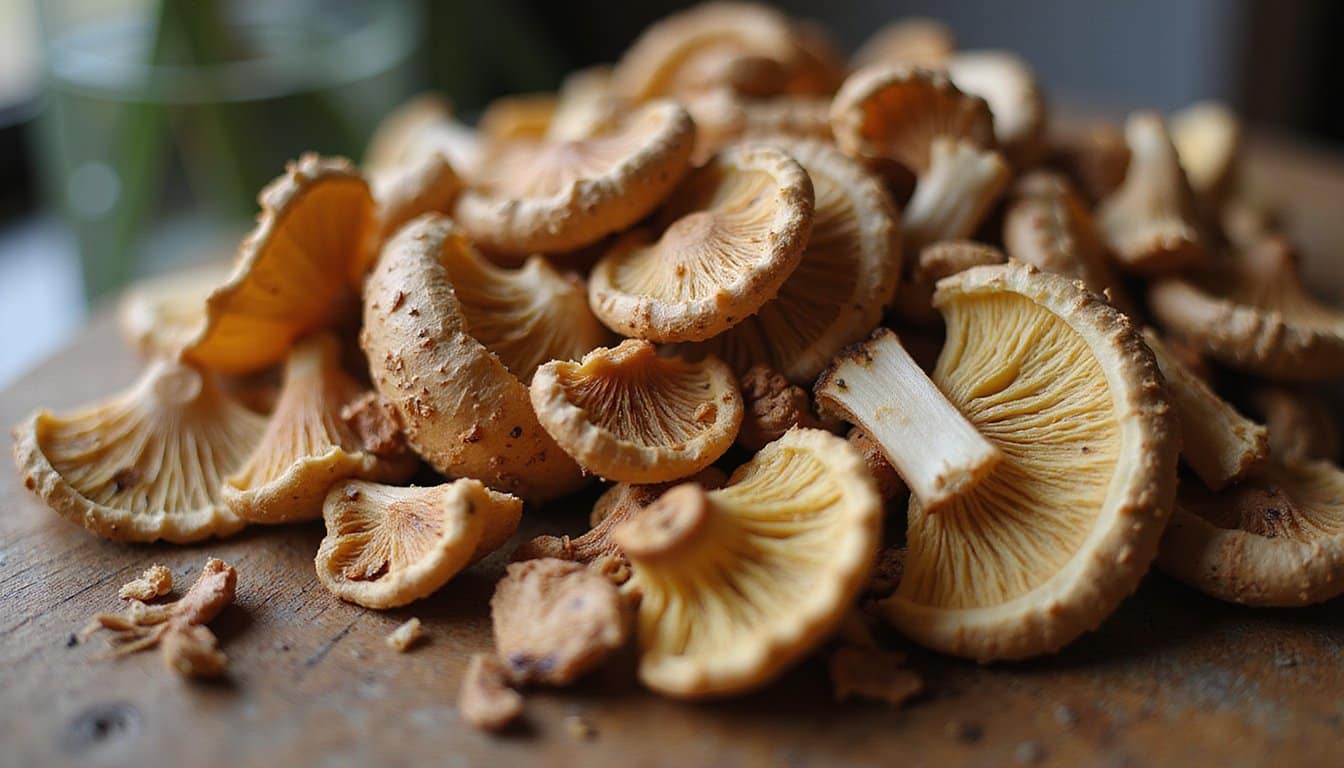
Psilocybin’s effects scale predictably with dose, following a sigmoid function that researchers can approximate linearly within typical therapeutic ranges. When you’re considering how long does a shroom high last, understand that intensity directly correlates with dosage, higher doses produce stronger perceptual alterations and ego dissolution.
At low doses (21 μg/kg), you’ll experience measurable subjective responses with moderate alterations. Medium doses (317 μg/kg) intensify these effects proportionally, with mystical experiences emerging around 350 μg/kg body weight. The shroom duration and average mushroom trip intensity plateau at high doses (0.6 mg/kg), where ceiling effects occur. Research demonstrates a significant linear dose-related response in mystical experience scores, particularly on the transcendence of time and space subscale.
Your perceptual changes, particularly elementary and complex imagery, show the strongest dose-response relationships. Oceanic boundlessness and blissful states escalate predictably, while audio-visual synesthesia remains relatively stable across doses. Notably, challenging experiences exhibited small effects and were barely modulated by dose increases in controlled settings.
How Long Do Psilocybin Effects Last by Dose?
The duration of your psilocybin experience scales predictably with dose, ranging from 3-6 hours at low doses (0.5-1.5g dried) to 5-8 hours or longer at high doses (3-5g dried). You’ll typically reach peak plasma psilocin concentrations between 60-130 minutes post-ingestion, with subjective effects most intense during the first 3-4 hours regardless of dose level. Your individual psilocin half-life, averaging around 3 hours but varying from 66-132 minutes, determines how quickly effects taper during the comedown phase. These effects occur because psilocin is highly lipophilic and readily crosses the blood-brain barrier after psilocybin is metabolized. Once in the brain, psilocin acts as a non-selective serotonin receptor agonist, which explains why effects persist even as plasma levels decline.
Duration Across Dose Levels
Research reveals three distinct dose tiers, 0.3, 0.45, and 0.6 mg/kg, produce subjective effect durations of 5.6 ± 2.2, 5.5 ± 1.6, and 6.4 ± 2.2 hours, respectively. When you’re wondering how long does shroom trip last, these pharmacokinetic parameters provide precise benchmarks.
Psilocybin duration shows only modest escalation across the dosing spectrum. You’ll notice the jump from low to high doses extends effects by approximately one hour, a relatively narrow window given the threefold dose increase. How long are shroom trips? The data indicates mean durations cluster between 5.5-6.4 hours regardless of intensity level. Beyond immediate effects, studies examining resting-state functional connectivity have tracked brain changes at 1 week and 3 months following a single psilocybin dose in healthy volunteers.
Psilocybin duration shows only modest escalation across the dosing spectrum. The transition from low to high doses typically extends overall effects by approximately one hour, a relatively narrow increase given the threefold rise in dosage. When asking how long shroom trips last, available data indicate mean durations clustering between roughly 5.5 and 6.4 hours, regardless of intensity level. This consistency helps contextualize the expected effects of psilocybin at different levels, where changes in subjective intensity are more pronounced than changes in total duration. Beyond acute effects, studies examining resting-state functional connectivity have identified measurable brain changes at one week and even three months following a single psilocybin dose in healthy volunteers.
Interestingly, pharmacokinetic measures correlate directly with administered dose, yet subjective duration doesn’t scale proportionally. Your body processes higher concentrations without dramatically prolonging the experience window, suggesting receptor saturation mechanisms cap temporal extension. Recent research has also revealed that psilocin, the active metabolite, preserved telomere length and reduced oxidative stress levels in cellular studies, pointing to potential benefits extending well beyond the acute experience window.
Peak Effects Timing Window
Five distinct temporal markers define the peak effects window when you consume psilocybin mushrooms. Your onset begins 20-40 minutes post-ingestion on an empty stomach, with peak intensity arriving 60-90 minutes later. This acute phase, where visual distortions and cognitive alterations maximize, spans 2-3 hours.
Understanding how long does shrooms last requires tracking these pharmacokinetic phases. Food delays peak arrival by 30-90 minutes, while metabolism and body weight alter absorption rates. How long does it take to come down from shrooms depends on these same variables. Total effects typically resolve within 4-8 hours, though subtle after-effects may linger for 12-24 hours following your experience.
At the 90-120 minute mark, you’ll experience maximum time distortion and unity sensations. Your peak duration ranges 2-4 hours at standard doses. Individual genetics and tolerance levels shift both timing and intensity unpredictably. During peak intensity, you may encounter vivid color trails and breathing patterns in visual surfaces as perceptual alterations reach their maximum.
Positive vs. Negative Effects That Persist for Months

While acute psilocybin effects typically resolve within six hours, the compound’s influence on neural architecture and psychological functioning can persist for months after a single administration. You may experience enduring alterations in medial prefrontal cortex connectivity, enhanced neural plasticity, and measurable reductions in depression and anxiety symptoms. However, dose-dependent adverse outcomes also occur, particularly following repeated high-dose protocols.
- You’ll find documented personality changes and increased wellbeing lasting weeks to months post-administration
- Severe sleep impairment can persist four months after repeated high-dose exposure
- Mystical-type experiences correlate strongly with sustained therapeutic benefits
- Anhedonia, passive suicidal ideation, and hospitalization-requiring depression represent serious persistent adverse events
- Apprehensive mental states during administration increase your risk for prolonged negative outcomes
- Training program leaders may frame distress as necessary ego death or purification, potentially delaying critical medical intervention
Your neurobiological response determines whether lasting effects prove beneficial or harmful. Research shows that gradually increasing oscillations in the beta and low-gamma range appear in the infralimbic cortex up to six days after psilocybin treatment, suggesting sustained changes in brain network function. While much of the focus has been on psychological outcomes, the effects of psilocybin on physical health also warrant attention. Emerging studies indicate potential improvements in inflammation and cardiovascular health, which could redefine our understanding of this compound.
What Shapes Psilocybin Intensity Beyond Dose?
Beyond the milligrams you ingest, multiple pharmacokinetic and pharmacodynamic variables modulate psilocybin’s subjective intensity. Your metabolism directly determines psilocin plasma concentrations, while your serotonin receptor density influences signal transduction strength. Research shows ceiling effects emerge around 0.60 mg/kg, meaning higher doses won’t necessarily intensify your experience.
Medication interactions alter pharmacodynamics considerably. Tricyclic antidepressants amplify intensity, whereas SSRIs and MAOIs attenuate effects through receptor competition. If you’re taking psychiatric medications, expect blunted or heightened responses.
Mushroom-specific factors matter too. Species determines psilocybin content, while freshness, storage conditions, and preparation method affect bioavailability. Food timing influences absorption kinetics, your last meal’s composition modulates onset speed and peak concentration. Additionally, mushroom caps usually have higher psilocybin levels than stems, creating variability even within a single specimen.
Your psychological set shapes subjective quality. Positive mindsets correlate with oceanic boundlessness, while negative states may heighten ego dissolution anxiety.
Which Brain Networks Change After Psilocybin?

Psilocybin’s neural signature emerges most clearly in the default mode network (DMN), where the compound triggers measurable decreases in functional connectivity between anterior and posterior regions. You’ll experience disrupted spectral power across delta, theta, alpha, beta, and low gamma bands in structures like the posterior cingulate cortex. The claustrum shows decreased connectivity to the DMN while increasing its coupling with the frontoparietal network. Beyond decreased within-network connectivity, psilocybin simultaneously increases global brain connectivity, allowing regions that don’t normally communicate to exchange information. Individual differences in these functional connectivity changes are strongly linked to subjective psychedelic experience, helping explain why trips vary so dramatically between people.
- Your anterior hippocampus-DMN connectivity decreases persistently for up to three weeks post-administration
- Brain modularity is reduced, with DMN showing the strongest effects tied to therapeutic outcomes
- Global desynchronization isolates typically interconnected regions across cortical and subcortical structures
- Claustrum-DMN functional connectivity drops, correlating with DMN integrity changes
- Network distinctions dissolve as psilocybin drives threefold greater acute disruption than methylphenidate
These connectivity shifts underpin the compound’s characteristic subjective effects.
Why These Brain Shifts Predict Lasting Benefits
When you take psilocybin, the connectivity changes in your default mode network and executive control systems directly correlate with improved mindfulness and emotional regulation that persist well beyond the acute pharmacological window. Research shows these neural shifts remain detectable for at least three weeks post-dose, with the magnitude of network desegregation during your experience predicting the duration of therapeutic benefits. Your brain’s altered connectivity patterns serve as measurable biomarkers that forecast clinical outcomes, linking specific dose-dependent circuit changes to sustained improvements in depression and cognitive flexibility. Studies published in Nature reveal that psilocybin temporarily disrupts the brain network involved in a person’s sense of self, helping explain these profound therapeutic effects. Beyond neural effects, recent research demonstrates that psilocybin extends cellular lifespan by over 50% in human skin and lung cells while reducing oxidative stress and preserving telomere length.
Connectivity Changes Drive Mindfulness
Though acute subjective effects fade within hours, psilocybin triggers measurable network-level reorganization that persists into what researchers term the “afterglow” period. You’ll find that decreased Executive Control Network (ECN) resting-state functional connectivity at one week post-dose (Cohen’s d=-1.73) directly predicts your mindfulness gains at three months (r=-0.65).
This pharmacokinetic cascade converts acute receptor activation into durable trait changes:
- ECN RSFC reduction during afterglow mediates long-lasting mindfulness increases
- Mystical experience intensity (MEQ scores) correlates with greater mindfulness shifts (p=0.035)
- 8.1% mean MAAS score increase persists at 3-month follow-up (Cohen’s d=0.72)
- Lower baseline 5-HT2AR binding in right amygdala links to higher pre-existing trait mindfulness
- Connectivity models predict insightfulness beyond subjective derealization measures alone
Your brain’s network reconfiguration determines outcome durability.
Neural Shifts Persist Months
Three distinct neural signatures persist well beyond psilocybin’s 4-6 hour acute window, each operating on different timescales that predict therapeutic durability. Your infralimbic cortex shows elevated beta and low-gamma oscillations (20, 60 Hz) at days 1, 2, and 6 post-dose. Default mode network desynchronization re-establishes within days but retains measurable differences for weeks.
The most durable change occurs in your hippocampal-default mode network connectivity, which remains reduced for at least three weeks post-administration. This persistence matters because it correlates directly with antidepressant effects lasting up to one year in clinical observations.
Dose-dependent desegregation of executive control and dorsal attention networks further predicts outcome durability. These mechanisms, detectable via fMRI, demonstrate that psilocybin’s therapeutic window extends far beyond acute pharmacokinetics into sustained neuroplastic reorganization.
Brain Networks Predict Outcomes
Because psilocybin’s acute network disruptions establish measurable patterns that correlate with long-term outcomes, researchers can now predict therapeutic durability from early brain imaging data. When your DMN desynchronizes during acute effects, the magnitude of this disruption directly forecasts symptom improvement weeks later. fMRI tracking confirms these connectivity shifts persist, creating a biomarker for treatment response.
- Greater DMN desynchronization during dosing predicts stronger antidepressant effects at one-month follow-up
- Increased prefrontal hyperactivity correlates with ego dissolution intensity and emotional breakthrough potential
- Enhanced global connectivity patterns indicate improved cognitive flexibility post-treatment
- Reduced network modularity during peak effects links to lasting reductions in rigid thinking
- Thalamocortical pathway activation serves as an early indicator of sensory integration improvements
Do Higher Psilocybin Doses Guarantee Mystical Experiences?
Higher psilocybin doses correlate strongly with mystical experience intensity, but they don’t guarantee profound states. Research shows 72.2% of volunteers achieved complete mystical experiences at 20-30 mg/70 kg doses, yet considerable variability persists, scores ranged from 0.03 to 1.00 even at the highest 30 mg/70 kg sessions.
Your individual pharmacokinetic profile matters tremendously. Age and neuroticism positively predict mystical intensity, while 39% of participants experienced extreme anxiety alongside mystical effects at higher doses. Curiously, once you achieve a complete mystical experience, subsequent sessions consistently replicate this outcome, 47.1% reached completion at dose two versus 35.3% at dose one.
The dose-response relationship remains clear but not deterministic. Higher doses increase probability without ensuring profound states. Individual metabolic factors, receptor binding efficiency, and psychological variables modulate your response beyond pure dosimetry.
Frequently Asked Questions
Can Eating Food Before Taking Psilocybin Affect How Long the Trip Lasts?
Eating before taking psilocybin won’t extend your trip’s total duration. Food in your stomach delays gastric emptying, which slows psilocybin absorption and pushes your onset back, sometimes to an hour or more instead of the typical 20-40 minutes on an empty stomach. However, your peak still occurs around 1.5-2 hours post-ingestion, and the overall experience remains 4-6 hours. Food alters absorption kinetics, not the drug’s pharmacological timeline.
Does Body Weight Influence the Intensity of Psilocybin Effects?
Clinical evidence suggests body weight doesn’t markedly influence your psilocybin experience intensity. Analysis of 288 participants across Johns Hopkins studies found no meaningful associations between body weight (ranging 49-113 kg) and subjective effects. Whether researchers used fixed or weight-adjusted dosing protocols, you’d experience equivalent outcomes. Your absolute dose can vary substantially without producing proportional intensity differences, indicating psilocybin’s pharmacokinetics don’t follow simple weight-based scaling assumptions.
How Does Consuming Psilocybin as Tea Differ From Eating Whole Mushrooms?
When you consume psilocybin as tea, you’ll experience faster onset, typically within 30 minutes, because heat breaks down chitin cell walls, accelerating psilocybin release and absorption. You’ll reach peak intensity quicker, but your trip resolves sooner overall. Eating whole mushrooms delays absorption through slower digestion, extending effects to 4-12 hours with gradual intensity buildup. Tea also reduces nausea since heat degrades indigestible chitin, while whole mushrooms often cause stomach discomfort.
Can Tolerance Develop if Psilocybin Is Taken Multiple Times in One Week?
Yes, you’ll develop tolerance rapidly if you take psilocybin multiple times in one week. Your body builds tolerance within just 3-4 days of consecutive use, requiring vastly higher doses to achieve previous effects. After four days of repeated administration, you may experience complete tolerance with no discernible effects. This tolerance mechanism involves receptor downregulation, and you’ll also develop cross-tolerance to other serotonergic psychedelics like LSD during this period.
Do Antidepressant Medications Interact With Psilocybin Duration or Intensity?
Yes, antidepressants markedly interact with psilocybin’s intensity. If you’re taking SSRIs or SNRIs, you’ll likely experience weakened or absent psychedelic effects due to serotonin receptor competition. This dampening can persist up to three months after you’ve discontinued the medication. While studies show the combination doesn’t increase serotonin syndrome risk, you should expect reduced subjective intensity. The duration may remain similar, but you’ll notice diminished peak effects and emotional breakthrough potential.