





You’re working with vastly different neurobiological profiles when you compare microdosing (0.1, 0.3g) to full doses (10, 30mg psilocybin). Microdoses occupy ~40% of 5-HT2A receptors, producing sub-perceptual effects and modest mood improvements, while full doses reach 60, 70% occupancy, triggering profound psychological shifts. Full-dose therapy demonstrates 78, 83% clinical response rates for treatment-resistant depression; microdoses show 14%. You’ll maintain functional capacity with microdosing but face identical legal penalties. The therapeutic divergence between these approaches extends far deeper than dosage alone.
Dose Size and Thresholds
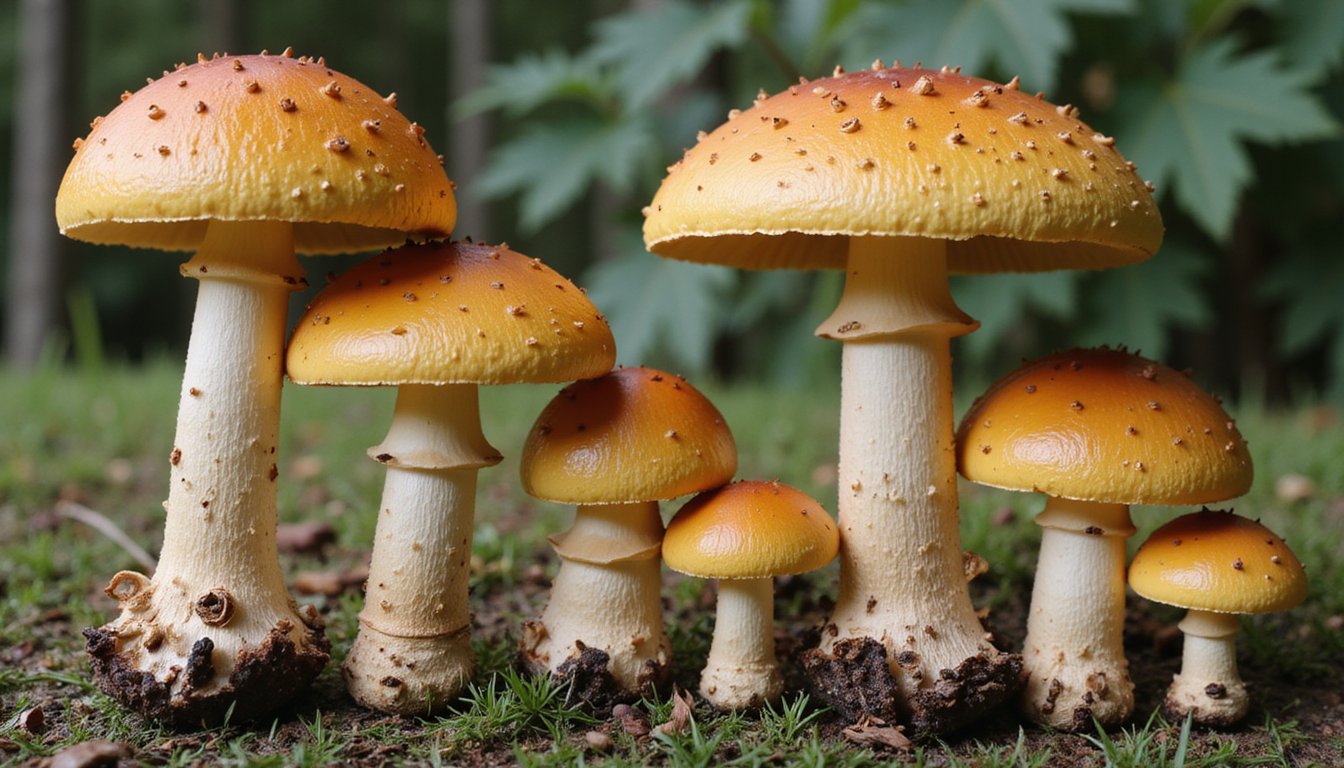
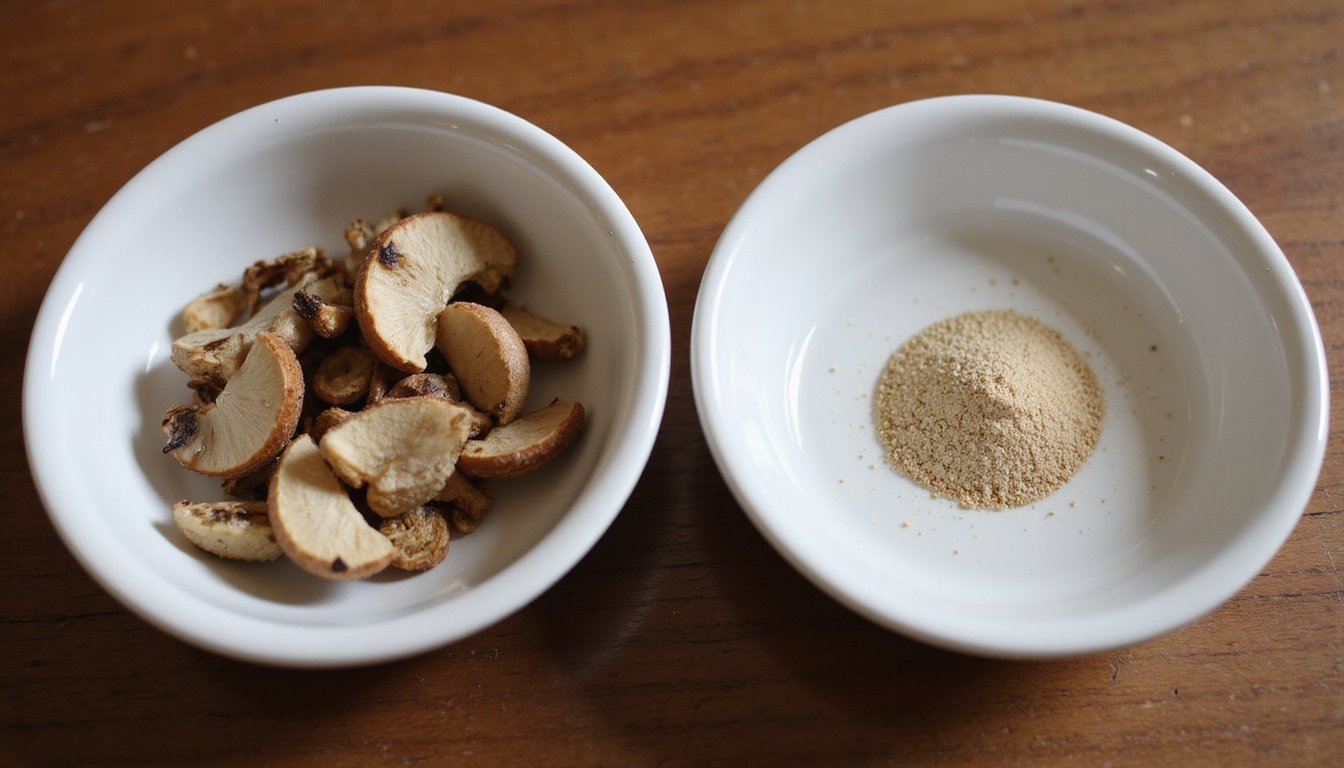
Understanding psilocybin’s dose-response relationship requires distinguishing between microdoses and full psychoactive doses. You’ll encounter microdoses ranging from 0.1 to 0.3 grams of dried mushroom material, representing merely 1-10% of a therapeutic dose. What does a microdose of mushrooms feel like? You’ll experience subtle shifts in mood and focus without perceptual alterations. Microdose effects psilocybin typically remain sub-perceptual, contrasting sharply with full doses beginning at 10 mg psilocybin. Low-dose shrooms effects become noticeable around this threshold, progressing to standard doses of 20-30 mg. You’ll find that maintaining successful microdosing requires careful titration, starting low and gradually adjusting until you achieve mood enhancement without psychoactive effects. Many practitioners follow a common schedule of once every three days to optimize results while minimizing tolerance development. Using a micro digital scale ensures accurate dose measurement for consistent microdosing outcomes. Before beginning a microdosing regimen, it is essential to speak with your primary care physician to ensure safety and appropriateness for your individual health circumstances. Psilocybin concentrations vary between 0.1-2% of dried weight, necessitating personalized adjustments based on mushroom species and individual sensitivity.
Subjective Psychological Effects
Most subjective psychological effects of microdosing psilocybin remain distinctly subtle and subdued compared to full-dose experiences. What does microdosing mushrooms feel like? You’ll likely notice gradual improvements in mood, mild enhancements in focus, and modest increases in emotional resilience across dosing days, changes that accumulate over weeks rather than manifesting acutely. Your sensory perception stays largely stable, time perception remains anchored, and your sense of self stays intact. Microdosing mushrooms feeling typically involves gentle shifts in optimism and mental clarity without dramatic emotional swings. This subtle integration with daily life allows you to maintain your normal functioning while experiencing cumulative psychological benefits. However, controlled trials reveal inconsistent objective cognitive gains, and placebo effects complicate interpretation. Research indicates that expectancy effects among microdosers may contribute substantially to reported improvements, making it difficult to isolate direct pharmacological contributions from psychological expectations. In the study’s double-blind controlled design, acute effects were significantly more intense for the active psilocybin dose compared to placebo, demonstrating measurable physiological responses despite subtle subjective experiences. Unlike full doses, which produce vivid perceptual alterations, acute emotional intensity, and disruptive thought patterns, microdoses preserve your ability to function normally while producing subtle, day-level refinements in psychological well-being.
Functional Impact and Daily Life

Unlike full-dose psilocybin sessions that require planned time away from work and supervised recovery, microdosing is designed to preserve your functional capacity during routine daily activities. You’ll typically integrate microdoses into existing schedules, commuting, household tasks, and childcare remain manageable without significant disruption. This subtle approach allows individuals to enhance creativity and improve mood without the intense experiences associated with full doses. By microdosing, one can enjoy the sensory experiences of psilocybin while maintaining clarity and focus. Many find that these altered sensory experiences with psilocybin can stimulate innovative thinking, leading to breakthroughs in creative projects or problem-solving. This enables individuals to explore new perspectives while remaining grounded in their daily responsibilities.
Microdosing regimens (commonly one day on, two days off) minimize tolerance buildup and daily performance impairment, contrasting sharply with infrequent full-dose experiences separated by weeks. While full doses acutely impair attention and working memory, low doses show modest improvements in sustained focus and problem-solving across observational studies. Psychedelics interact with serotonin receptors in the central and peripheral nervous systems, which may contribute to these cognitive improvements at microdose levels.
However, you may experience subtle side effects like sleep disturbance or mild anxiety. Full-dose sessions demand dedicated time and environmental safeguards due to perceptual distortions and emotional lability, risks substantially lower with microdosing’s sub-perceptual approach.
Therapeutic Goals and Mechanisms
Two distinct therapeutic frameworks differentiate microdosing from full-dose psilocybin treatment. You’ll find that microdosing targets incremental improvements through daily supplementation, while full doses aim for rapid, transformative change in resistant conditions.
| Aspect | Microdosing | Full Dose |
|---|---|---|
| Primary Goal | Subtle mood lifting, focus enhancement | Rapid depression/anxiety reduction |
| Mechanism | Incremental cognitive flexibility, reduced rumination | Large-scale network recalibration |
| Receptor Occupancy | ~40% 5-HT2A occupancy | ~60-70% 5-HT2A occupancy |
| Experience Type | Sub-perceptual shifts | Intense psychedelic experience |
You’ll experience modest acute changes with microdosing, often indistinguishable from placebo on objective measures. Full-dose protocols generate profound perceptual alterations and mystical experiences that correlate with sustained symptom reduction. Microdosing functions as an adjunct to daily functioning, while full-dose therapy operates as a catalyst for major psychological reorganization, typically requiring integrated psychotherapy. Full-dose psilocybin demonstrates linear pharmacokinetics, with psilocin reaching peak concentrations in the bloodstream before undergoing hepatic glucuronidation and renal clearance.
Research shows that microdosing lacks standardized procedures across different practitioners and protocols, making direct comparison between microdosing regimens more difficult than evaluating full-dose clinical interventions. This variability in dosing schedules and duration contributes to the inconsistent findings observed in both anecdotal and controlled studies of microdosing efficacy. Full-dose studies typically employ consistent therapeutic protocols with standardized dosing, integration support, and measurable clinical endpoints, contrasting sharply with the heterogeneity of microdosing approaches.
Evidence Base and Safety Profile
When evaluating psilocybin’s therapeutic potential, you’ll find that clinical efficacy diverges markedly between dosing strategies. Full-dose psilocybin (10-25 mg) demonstrates 78-83% clinical response rates for depression and anxiety, compared to 14% for microdoses. Treatment-resistant depression patients show notable symptom decreases within one week of full-dose administration, while end-stage cancer patients experience sustained anxiety and depression reductions three months post-treatment. Additionally, studies have suggested that the physical impacts of psilocybin usage can include altered perception of pain and enhanced emotional well-being, which further contribute to its efficacy in therapeutic settings.
Regarding safety, microdosing’s sub-perceptual doses (0.1-0.3 grams) avoid hallucinations and significant perceptual distortions. Conversely, full doses produce intense acute effects including visual alterations, paranoia, and impaired concentration. However, microdosing evidence from double-blind placebo-controlled studies remains limited. Full-dose therapy carries risks of nausea, vomiting, and hallucinogen-persisting perception disorder, though structured clinical settings mitigate adverse outcomes through professional supervision and psychological support. While exploring the safety profiles of these approaches, it’s also important to consider the types of detox treatments available to individuals seeking to improve their mental health. These treatments can often complement microdosing or full-dose therapy, offering a holistic approach to healing. By integrating detox options, individuals may better manage any adverse effects and enhance the overall therapeutic experience.
Legal, Practical, and Contextual Factors
Beyond the laboratory and clinical setting, psilocybin’s legal status, practical accessibility, and workplace implications shape whether you can safely and lawfully engage with microdosing protocols. Federally, psilocybin remains Schedule I controlled substance; microdosing receives no legal distinction from full-dose use. You’ll face identical criminal penalties regardless of quantity or intent in most jurisdictions. While some U.S. municipalities have deprioritized enforcement, possession and cultivation remain criminal offenses. Workplace drug testing typically doesn’t differentiate between microdosing and full-dose consumption, any detection constitutes policy violation. Repeated microdosing schedules create cumulative legal exposure over time. The exact optimal microdose amount can vary depending on individual factors and mushroom potency, yet this variation receives no legal recognition in enforcement. Clinical frameworks remain underdeveloped for informal microdosing compared to supervised therapeutic models. Research on microdosing-specific outcomes remains limited, which complicates healthcare provider recommendations and informed clinical guidance. Healthcare providers face licensure risks recommending unsanctioned use. As Oregon begins accepting applications for psilocybin service centers, regulatory frameworks continue to evolve, though informal microdosing outside these sanctioned settings remains legally precarious. Cross-border protection doesn’t extend across jurisdictions, elevating travel-related legal risk.
Frequently Asked Questions
How Long Does It Take to Feel Effects From a Microdose Compared to a Full Dose?
You’ll notice a full dose’s effects within 20, 40 minutes, marked by clear perceptual shifts. A microdose, however, takes 30, 60 minutes to produce subtle changes you might not consciously detect. While a full dose peaks around 60, 90 minutes with unmistakable intensity, you’ll experience a microdose’s gentle lift around 1, 2 hours, often so subdued that you’ll rely on mood tracking rather than acute sensations to confirm onset.
Can I Build Tolerance to Psilocybin With Regular Microdosing Over Time?
Yes, you can build tolerance to psilocybin with regular microdosing. You’re likely to experience receptor-level downregulation of 5-HT2A receptors, particularly with daily use. You’ll notice subjective benefits, mood, focus, creativity, fade after several weeks of continuous microdosing. You’ll minimize this tolerance risk by adopting structured schedules: alternating days on/off or cycling weeks on with breaks. You won’t completely eliminate tolerance risk, but strategic scheduling helps you maintain responsiveness over time.
What Should I Do if I Accidentally Take Too Much While Microdosing?
If you’ve accidentally taken an excessive dose, you’ll want to stay in a safe, comfortable environment with trusted people present. You shouldn’t drive or operate machinery. While psilocybin isn’t physically toxic, you may experience intense perceptual or emotional effects. Remain calm, effects typically peak within 4-6 hours. Consider contacting poison control or seeking medical support if you’re experiencing severe distress. Avoid mixing substances.
How Do I Know if Microdosing Is Actually Working for Me?
You’ll find determining microdosing effectiveness challenging due to substantial placebo effects. Track objective measures like mood using standardized scales (DASS), cognitive performance through finger-tap tests, and emotional changes over 22-35 days. However, you should know that roughly 75% of study participants compromised blinding conditions, suggesting expectancy bias profoundly influences perceived results. Self-reported improvements vary widely, and long-term safety data remain limited, so definitive conclusions about your personal response require careful documentation.
Are There Specific Times of Day When Microdosing Is Most Effective?
You’ll likely find morning dosing most effective for microdosing. Early administration aligns with your natural cortisol peaks, enhancing focus and energy during work hours while minimizing sleep disruption. You should avoid evening doses, as psilocybin’s stimulating effects can interfere with sleep onset. Midday dosing works if mornings aren’t practical, though it carries higher anxiety risk. Individual sensitivity varies considerably, so you’ll benefit most from tracking your responses across different timing schedules.