






Recovery benefits in trauma-informed addiction treatment mean you’ll experience thorough healing that addresses both your substance use and past trauma simultaneously. You’ll gain emotional stability through structured routines, develop stronger coping skills, and build trusting relationships in a physically and emotionally safe environment. The approach combines evidence-based therapies with holistic practices to improve your mental health, physical wellbeing, and social connections. Understanding these interconnected benefits can strengthen your path to lasting recovery.
Understanding the Core Elements of Recovery Benefits

When exploring trauma-informed addiction treatment, five core elements work together to create meaningful recovery benefits for patients. You’ll find holistic integration at the foundation, where treatment addresses both addiction and trauma simultaneously through extensive therapeutic frameworks. Recovery milestones become more achievable through reduced retraumatization practices that prioritize your emotional safety and cultural needs. A critical focus on physical safety during treatment helps establish trust and security. Modern programs incorporate guided exercises to process traumatic experiences through specialized techniques.
The approach enhances your coping skills while improving overall treatment outcomes through targeted trauma resolution. You’ll develop stronger emotional regulation and stress management abilities, directly supporting your path to sustained sobriety. The fifth core element focuses on empowerment and autonomy, helping you regain control over your recovery journey. Evidence shows that incorporating trauma-specific therapies like CBT and EMDR significantly strengthens the healing process. These interconnected components create a treatment environment where you can heal, grow, and build lasting resilience against both trauma and addiction.
The Role of Safety in Trauma-Informed Treatment
When you enter a trauma-informed treatment facility, you’ll notice how the physical environment prioritizes your comfort through thoughtfully designed spaces that minimize potential triggers and maximize feelings of security. You’ll work with extensively trained staff members who understand trauma responses and consistently maintain clear boundaries, helping you build the trust essential for recovery. This commitment to cultivating peer relationships with others who have similar experiences creates vital support networks during treatment. Through carefully structured daily routines and predictable schedules, you’ll find a sense of stability that counteracts the chaos often associated with trauma and addiction. The facility’s focus on trauma-informed practices creates an environment where healing can occur without the risk of re-traumatization.
Physical Environment Matters Most
Although many factors contribute to successful trauma-informed addiction treatment, the physical environment stands as the cornerstone of client safety and recovery. The environmental impact directly influences your healing journey through intentional sensory design that promotes emotional regulation and psychological safety. Maintaining an atmosphere of trust and transparency helps clients feel secure enough to fully engage in their treatment process. Research shows that nearly 90% of adults have experienced some form of trauma, making safe spaces crucial for effective treatment. A key focus on holistic healing ensures that both addiction and trauma symptoms are addressed simultaneously.
Consider these essential elements of a healing-centered space:
- Calming color schemes and natural lighting reduce visual stress while creating a non-clinical atmosphere
- Soundproofed areas and quiet zones minimize sensory overwhelm, supporting your emotional regulation
- Flexible layouts accommodate both individual privacy and group therapy needs
- Nature-integrated elements and comfort-focused spaces replace institutional settings with homelike environments
You’ll find that these thoughtfully designed spaces foster trust, reduce trauma triggers, and empower your sense of control throughout the recovery process.
Trained Staff Creates Trust
The healing power of well-designed spaces reaches its full potential through the skilled professionals who occupy them. When staff members master trust building techniques and trauma-informed practices, they create an environment where your recovery can flourish.
You’ll find that trained professionals consistently demonstrate active listening, validate your experiences, and use language that’s sensitive to trauma. This approach promotes better patient outcomes in addiction treatment. The emphasis on client empowerment guides every interaction and decision in your care process. Regular participation in skill-building workshops strengthens their ability to provide personalized support. They’ll guide you through therapy sessions with clear boundaries and predictable responses, helping you feel secure in your treatment journey. Staff members also model healthy coping strategies while maintaining appropriate therapeutic relationships.
What makes this approach particularly effective is the coordinated effort across disciplines. Every team member, from therapists to support staff, receives extensive trauma awareness training. This unified commitment guarantees you’ll experience consistent, trauma-sensitive care throughout your recovery process.
Predictable Routines Build Security
Establishing predictable routines in trauma-informed treatment creates a foundation of security that’s essential for your healing journey. When you engage in structured activities and maintain daily schedules, you’ll develop emotional stability and effective coping strategies that support your trauma recovery. Creating a trauma-informed environment helps over 70% of patients in substance abuse treatment address their underlying trauma exposure. A comprehensive support network provides additional stability during the recovery process.
Safety frameworks embedded in your treatment plan offer these routine benefits:
- Regular therapy sessions and mindfulness practices reduce anxiety by creating predictable environments
- Structured self-care activities like exercise and meditation strengthen your emotional regulation
- Consistent meal times and sleep schedules help restore your sense of control
- Organized group activities foster connection while maintaining therapeutic boundaries
These predictable routines work together to rebuild your trust in daily life, allowing you to focus on healing rather than managing uncertainty. Recovery success often depends on reducing daily chaos through carefully planned schedules and activities.
Building Trust Through Therapeutic Relationships
Establishing therapeutic relationships in trauma-informed addiction treatment requires you to create intentional safe spaces through consistent boundary-setting and predictable interactions. You’ll notice that building authentic connections emerges naturally when you practice core components like empathy, containment, and empowerment while recognizing each client’s attachment patterns and readiness for engagement. Your ability to foster trust strengthens as you integrate family support systems and maintain collaborative dynamics that honor both individual therapeutic alliances and significant-other involvement in the recovery process. The humanistic approach emphasizes therapeutic human touch to give deeper meaning to patients’ lives while producing a positive therapeutic atmosphere. Research shows that developing stronger therapeutic bonds can lead to steeper reductions in psychological distress during the treatment journey.
Safe Space Creation Process
Creating a trauma-informed safe space requires systematic attention to both physical and psychological elements that foster trust between clients and treatment providers. A supportive environment prioritizes emotional safety through intentional design and care collaboration.
To establish a healing atmosphere that promotes recovery empowerment, you’ll find these essential elements:
- Calming physical spaces with open layouts, soothing colors, and designated areas for different therapeutic activities
- Trauma sensitivity in all interactions, including staff training on non-verbal cues and cultural awareness
- Client autonomy through choice-based treatment options and participation in care planning
- Community involvement that recognizes diverse needs and incorporates gender-specific programming
This methodical approach to safe space creation guarantees your treatment environment addresses both individual and collective trauma experiences while supporting sustained recovery.
Authentic Connection Building Steps
While the foundation of successful addiction recovery lies in therapeutic relationships, authentic connections develop through intentional, trust-building steps between practitioners and clients. You’ll notice that strong therapeutic alliances form when providers balance professional expertise with empathetic communication, avoiding judgment while maintaining emotional neutrality. Your recovery journey strengthens as you collaborate on treatment goals and actively participate in the process.
To build authentic connections, your practitioner will use attachment-informed approaches, recognizing how past trauma may affect your ability to trust. They’ll employ standardized assessment tools to monitor alliance quality and adjust their approach based on your feedback. When you experience genuine satisfaction for healthy choices through positive reinforcement, you’re more likely to maintain engagement and show early behavioral improvements in your recovery process.
Empowerment Strategies for Long-Term Success

Since long-term recovery demands sustained personal agency, empowerment strategies form the cornerstone of trauma-informed addiction treatment. By integrating resilience strategies and evidence-based empowerment tools, you’ll develop the skills needed to maintain lasting sobriety while healing from trauma.
Your recovery journey will focus on these key developmental areas:
Four essential pillars guide your path to healing: safety, choice, emotional mastery, and self-advocacy skills.
- Safety-focused skill building to establish boundaries and create protective environments
- Choice-driven decision-making that puts you in control of your treatment path
- Emotional regulation techniques, from basic grounding to advanced mood management
- Self-advocacy training that strengthens your ability to communicate needs and refuse harmful situations
Through collaborative client-provider partnerships and strengths-based assessment approaches, you’ll build confidence in your recovery capabilities while developing sustainable coping mechanisms that support long-term success.
Integration of Mind-Body Healing Approaches
To achieve lasting recovery from addiction and trauma, extensive mind-body integration combines evidence-based therapeutic modalities with holistic healing practices. You’ll work with multidisciplinary teams who implement personalized treatment plans incorporating CBT and DBT alongside complementary approaches like acupuncture, yoga, and nutritional therapy.
Mind-body integration strengthens your recovery through targeted holistic therapies that address both psychological and physiological healing. You’ll learn stress management techniques, practice mindfulness, and engage in creative expression through art and music therapy. These approaches help regulate emotions, reduce cravings, and process trauma effectively. Your treatment will include purpose-building activities and spiritual practices that rebuild your sense of self while maintaining a trauma-informed perspective. This thorough strategy guarantees you’re developing sustainable tools for long-term recovery success.
Creating Sustainable Support Networks
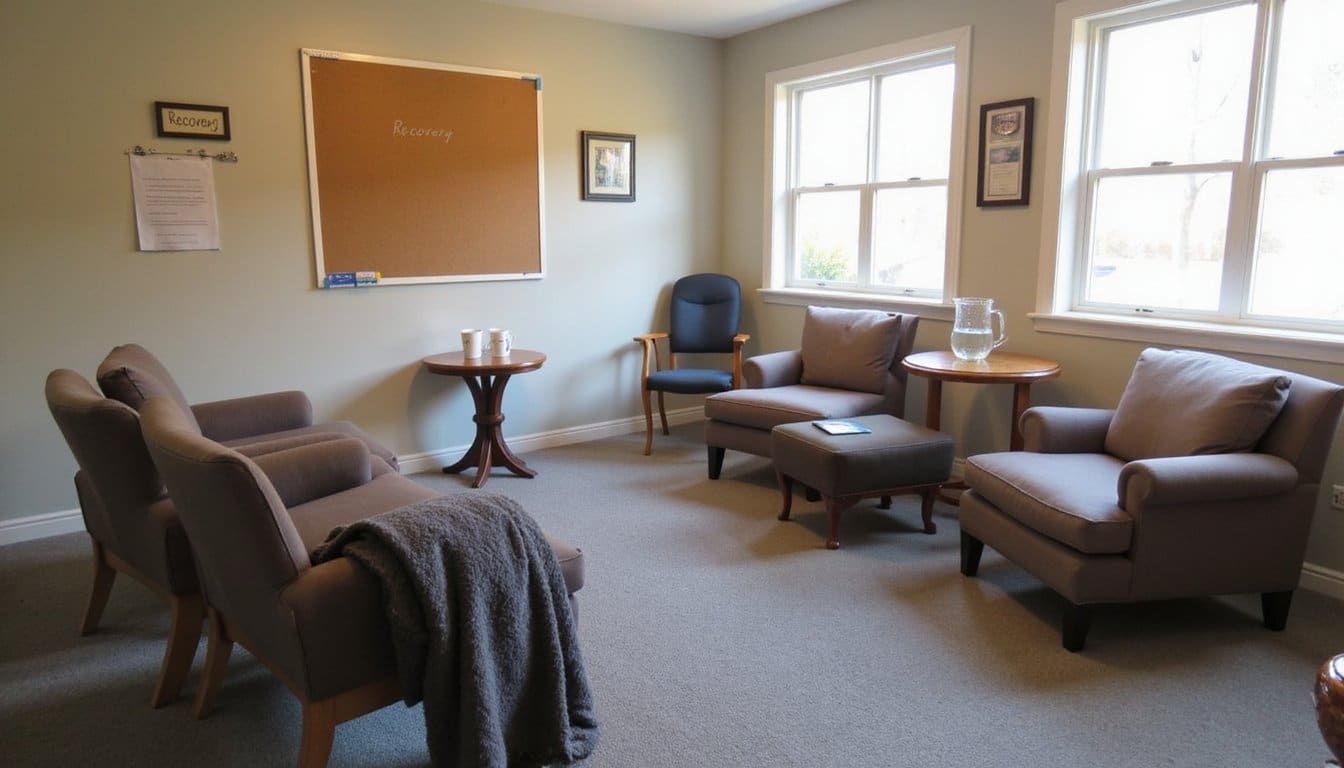
Building sustainable recovery networks requires you to cultivate both peer-based connections and family support systems that understand your journey. You’ll find that regular participation in structured peer communities, such as 12-step programs or recovery houses, helps establish reliable social bonds while reinforcing your commitment to sobriety. Your family members can complement these peer relationships by providing emotional and practical support, especially when they receive proper guidance on avoiding enabling behaviors and maintaining healthy boundaries.
Building Long-Term Peer Connections
When individuals establish long-term peer connections in recovery, they create a powerful foundation for sustained sobriety and personal growth. Through shared experiences and trust building, you’ll develop accountability partnerships that greatly enhance your recovery journey. Community engagement and peer mentorship offer essential social support while strengthening emotional resilience.
Your recovery milestones become more achievable through collaborative recovery efforts that include:
- Participating in mutual aid groups that reduce isolation and foster continuous healing
- Engaging with peer coaches who understand your lived experience and can guide sustainable solutions
- Building reciprocal relationships that strengthen both your recovery and others’ journeys
- Connecting with sober living communities that promote stability and long-term independence
These connections create an enduring support system that reinforces your commitment to recovery while providing practical tools for ongoing success.
Strengthening Family Support Systems
Family support systems serve as essential anchors throughout the addiction recovery process, providing both emotional scaffolding and practical assistance for sustained healing. By understanding family roles and support dynamics, you’ll enhance your treatment engagement and long-term abstinence outcomes.
| Support Element | Recovery Impact |
|---|---|
| Role Clarification | Reduces enabling behaviors while promoting healthy boundaries |
| Communication Skills | Facilitates open dialogue and collaborative problem-solving |
| Coping Strategies | Strengthens family-wide resilience and stress management |
Your family’s involvement can greatly boost your treatment adherence and reduce relapse risks through shared accountability. When you work together to develop communication structures and implement stress management techniques, you’re building a robust support network that understands your recovery needs and actively contributes to your healing journey.
Developing Resilience Through Skills Training
Through evidence-based skills training, trauma survivors in addiction recovery can develop lasting resilience that supports their healing journey. Resilience training integrates cognitive behavioral strategies with mindfulness-based techniques to enhance your emotional regulation and psychological flexibility.
Key components of this transformative approach include:
- Practicing cognitive reappraisal to reframe stressors as manageable challenges rather than overwhelming obstacles
- Engaging in mindfulness exercises like body scans and emotional labeling to strengthen present-moment awareness
- Developing self-soothing strategies and grounding techniques to manage physiological responses to triggers
- Building structured goal-setting practices that break recovery into achievable milestones
These skills work together to create a robust foundation for sustainable recovery, enabling you to navigate triggers and challenges with increased confidence and adaptability.
Personalized Care Plans and Individual Progress
As the journey of addiction recovery intersects with trauma healing, personalized care plans serve as essential roadmaps for your unique path to wellness. Through thorough biopsychosocial assessments, your treatment team will work collaboratively with you to identify specific challenges and establish meaningful recovery goals.
Your personalized care plan integrates evidence-based therapies like CBT and EMDR with holistic approaches tailored to your needs. You’ll receive specialized support for co-occurring disorders while engaging in trauma-informed interventions that respect your individual pace. Regular progress monitoring helps track your milestones and allows for real-time adjustments to your treatment strategy. Whether you benefit most from medication-assisted treatment, creative therapies, or mindfulness practices, your care plan evolves with your progress, ensuring you’re supported at every stage of recovery.
Breaking the Cycle of Trauma and Addiction
Breaking free from the intertwined cycle of trauma and addiction requires understanding their profound connection. Your journey through trauma-informed addiction recovery can be transformed when you recognize how past experiences influence current behaviors.
Essential steps in breaking this cycle include:
- Developing trauma awareness through specialized therapy, helping you identify triggers that lead to substance use
- Building emotional regulation skills via DBT and mindfulness practices to manage distress without substances
- Engaging in trauma desensitization work to reduce the impact of post-traumatic stress reactions
- Participating in peer support networks that validate your experiences while strengthening recovery skills
Through trauma-informed care, you’ll learn to replace substance use with healthy coping mechanisms, addressing both the addiction and its underlying causes. This integrated approach greatly improves your chances of sustained recovery.
Measuring Success Beyond Sobriety
While achieving sobriety marks a significant milestone, trauma-informed addiction treatment measures success across multiple dimensions of recovery. Through holistic approaches and trauma awareness, you’ll experience improvements that extend far beyond abstinence.
| Recovery Domain | Success Indicators |
|---|---|
| Physical Health | Improved sleep patterns, stress management |
| Mental Health | Reduced anxiety, depression, PTSD symptoms |
| Social Progress | Stronger relationships, community engagement |
| Functional Growth | Employment gains, stable housing |
Your progress encompasses reduced severity of substance use disorders while developing enhanced coping strategies. You’ll notice improvements in emotional regulation, interpersonal trust, and daily functioning abilities. Treatment success is reflected in your ability to manage trauma responses, maintain healthy relationships, and engage meaningfully in work or education. These measurable outcomes demonstrate how trauma-informed care supports your thorough healing journey.
Frequently Asked Questions
How Long Does Insurance Typically Cover Trauma-Informed Addiction Treatment Programs?
Your insurance coverage duration for trauma-informed addiction treatment typically varies by program type and policy. You’ll find that PPOs often approve 30-180 days for inpatient care, while HMOs may offer shorter periods. For outpatient services, you can expect coverage ranging from 12-24 sessions. Your treatment duration depends on medical necessity, with partial hospitalization programs covering 12-16 weeks and intensive outpatient lasting 6-12 weeks on average.
Can Family Members Participate in Trauma-Informed Therapy Sessions During Treatment?
Yes, you can actively participate in trauma-informed therapy sessions as a family member. Family involvement is an essential component of successful treatment outcomes. You’ll have access to structured educational workshops, family therapy sessions, and process groups that enhance communication and healing. Treatment centers typically offer flexible engagement options to accommodate your schedule and comfort level. Through these therapy dynamics, you’ll learn trauma-informed communication techniques and develop stronger support systems for long-term recovery.
What Percentage of Patients Experience Relapses After Trauma-Informed Addiction Treatment?
While exact relapse rates vary across studies, you’ll find that trauma-informed care (TIC) greatly reduces relapse risks compared to traditional treatments. Research shows that patients with severe trauma histories face 3x higher substance use risks, but TIC interventions help mitigate this impact. Long-term studies indicate that you’re more likely to maintain sobriety with TIC, as treatment retention rates improve and PTSD symptom management strengthens your recovery foundation over 6-12 months.
Are There Age Restrictions for Entering Trauma-Informed Addiction Recovery Programs?
While age eligibility varies by program, you’ll find that many trauma-informed addiction recovery programs focus on adolescents and young adults (ages 12-25). You might encounter restrictions if you experienced trauma before age three, as some therapies like CPT aren’t designed for early childhood trauma. Program accessibility often depends on your cognitive abilities and language skills. However, many facilities prioritize inclusivity and offer modifications to accommodate different age groups through family-involved and telehealth options.
How Do Trauma-Informed Treatment Facilities Handle Medical Detox Requirements?
In trauma-informed facilities, you’ll receive medical detoxification protocols under 24/7 supervision by trained healthcare professionals. They’ll closely monitor your crucial signs, manage withdrawal symptoms, and provide necessary medications while implementing compassionate care practices. Your treatment team will create a personalized detox plan that considers your trauma history, substance use patterns, and physical health needs. They’ll guarantee you’re both physically and emotionally supported throughout the detoxification process.