






You can access free PTSD and addiction counseling through VA medical centers, which offer both outpatient and residential treatment programs. For immediate help, call the Veterans Crisis Line at 988 (press 1) for 24/7 support. Vet Centers provide confidential counseling with fellow veterans, and same-day services are available for urgent needs. You’ll find multiple therapy options, including virtual care for privacy and convenience. Let’s investigate the full range of support services available to you.
Understanding PTSD and Addiction Among Veterans
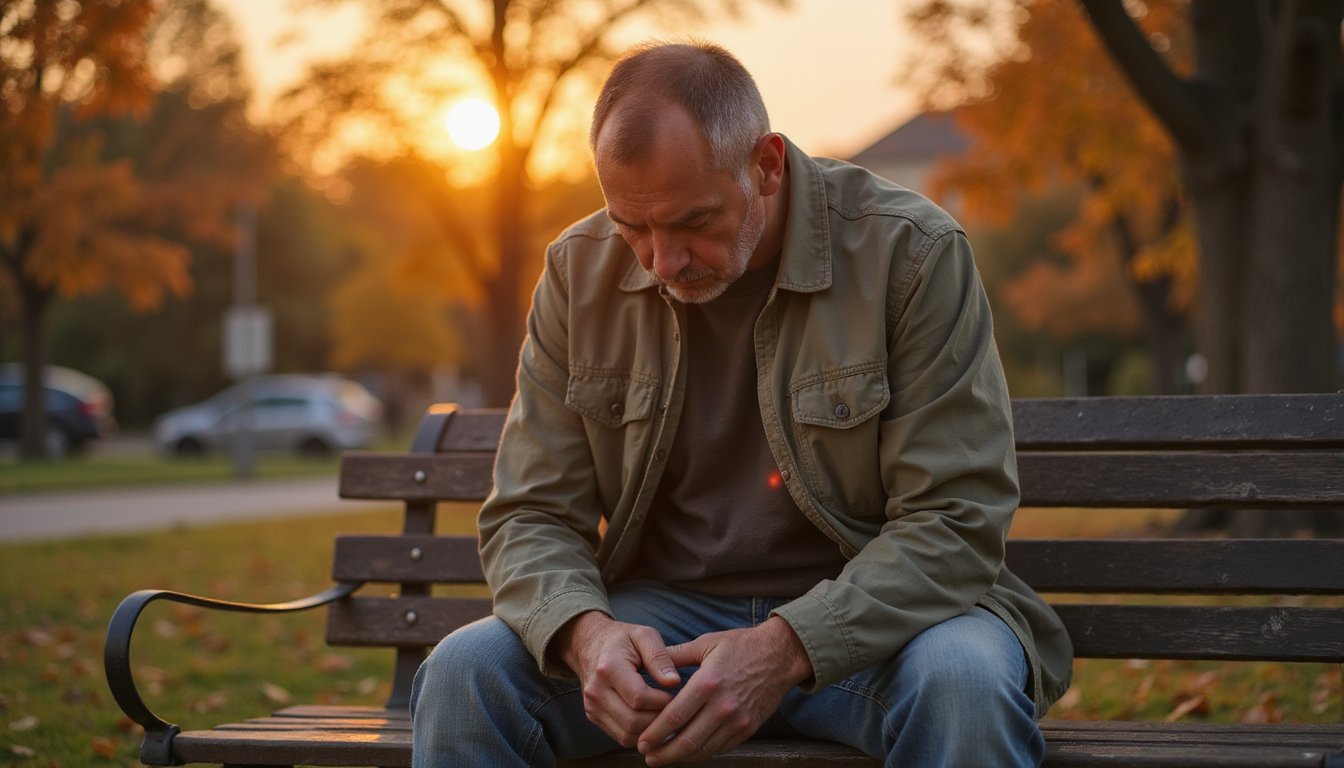
While veterans‘ experiences of trauma and its aftermath are deeply personal, understanding the scope of PTSD and addiction among service members helps illuminate the critical need for support.
If you’re a veteran, you’re not alone in facing these challenges. Research shows that PTSD symptoms affect up to 29% of post-9/11 veterans, with higher rates among women and younger service members. Many veterans experience multiple traumas during service, both combat and non-combat related, which can become addiction triggers later in life. Veterans report experiencing an average of nine different PTEs during their service time. Studies indicate that military sexual trauma remains a significant non-combat cause of PTSD among service members. Data reveals that sudden death of loved ones is the most commonly reported traumatic event among veterans. You might recognize this connection if you’ve used substances to cope with sleep problems, anxiety, or difficult memories. The relationship between PTSD and substance use is complex; they often feed into each other, making it harder to recover from either condition without addressing both simultaneously.
VA Medical Centers and Treatment Options
Getting the right help starts with knowing where to find it. VA services offer extensive support through medical centers specifically designed to address your needs as a veteran facing PTSD and addiction challenges. You’ll find both outpatient and residential treatment options, with many services available at no cost if you’re eligible. Veterans typically participate in four treatment hours each day during residential programs. Online security measures ensure that access is restricted to protect veterans’ sensitive information during telehealth sessions.
Treatment accessibility is a top priority, which is why you can enter care through multiple pathways, whether it’s a direct referral, walking in, or getting a recommendation from your provider. Many veterans benefit from dual diagnosis treatment that comprehensively addresses both mental health and addiction concerns. You’ll have access to individual therapy, group sessions, and specialized programs that address both PTSD and substance use together. If traveling is difficult, telehealth options let you connect with care teams from home. Supplementary support services include vocational training, case management, and peer support from fellow veterans.
The Role of Vet Centers in Recovery
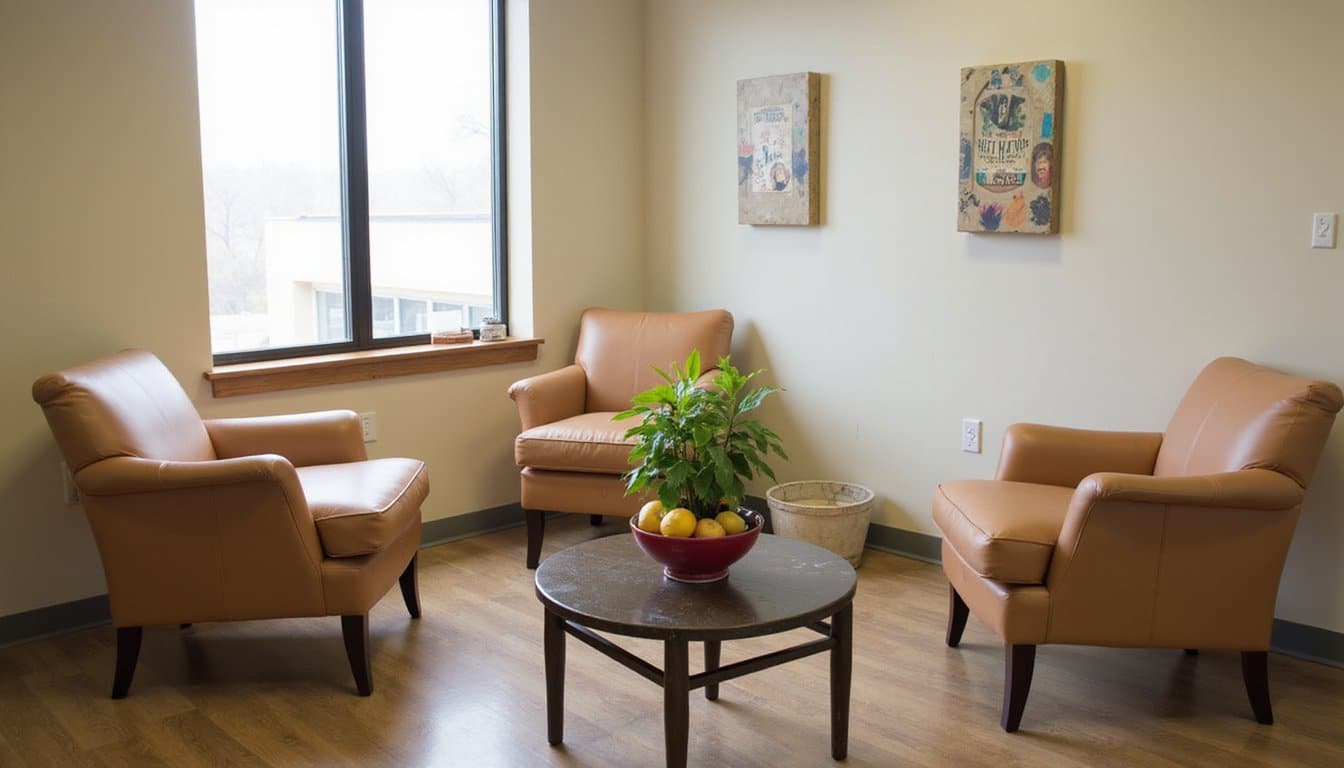
When you’re ready to talk with someone who truly understands your military experience, Vet Centers offer confidential counseling with fellow Veterans who’ve walked in your shoes. You’ll find these community-based centers provide a welcoming environment where you can connect with peers and access free support for PTSD, addiction, and other challenges without judgment. Studies show that substance abuse rates are significantly higher among veterans with trauma or PTSD. Through their local presence and peer-support model, Vet Centers serve as essential community hubs that bridge the gap between military and civilian life, making it easier for you and your family to find the help you need. The centers extend their services to include bereavement counseling for those who have lost loved ones during active duty. For Veterans in remote areas, Mobile Vet Centers bring these vital counseling and support services directly to underserved communities.
Confidential Peer-Based Support
As Veterans navigate the challenges of PTSD and addiction recovery, Vet Centers stand out as distinctly positioned allies offering strictly confidential, peer-based support services. You’ll find a unique environment where fellow Veterans provide counseling, creating authentic peer connections that improve your recovery path. Evidence-based therapies are integrated into personalized treatment plans to ensure effective recovery outcomes.
| Service Feature | Benefit to You |
|---|---|
| Strict Confidentiality | Your records stay private from VA, DoD, and other providers |
| Veteran Counselors | You’ll work with someone who understands military experience |
| 24/7 Call Centers | You can connect with peer support anytime you need it |
| No-Cost Services | You’ll receive care without financial burden |
These confidential counseling services extend to family members and those affected by military sexual trauma, ensuring you’re supported by people who truly understand your experiences. Combat Veteran staff members bring valuable insight to your recovery process, offering empathy drawn from lived experience.
Local Community Connection Hubs
Situated strategically in your community, Vet Centers serve as essential connection points where you’ll find ample support for PTSD and addiction recovery. With over 300 locations nationwide and mobile units reaching rural areas, you’re never far from help. These centers prioritize your accessibility through flexible hours, walk-in services, and no-cost care, all without requiring VA enrollment.
Through active community outreach, Vet Centers connect you to thorough counseling services, including individual, group, and family support. Research shows that trauma-focused psychotherapies are the most effective first-line treatments for PTSD. You’ll appreciate their non-clinical, welcoming environment where veteran engagement thrives through confidential peer support and trauma-informed care. Studies indicate that 8% of Americans will experience PTSD during their lifetime, making these centers vital community resources. Whether you’re dealing with PTSD, substance use, or both, trained staff, many with military backgrounds, understand your unique challenges. When barriers arise, they’ll help coordinate transportation and scheduling to guarantee you get the support you need.
Emergency Resources and Crisis Support
Veterans facing a mental health or substance use crisis can access immediate, extensive support through multiple 24/7 emergency resources. The Veterans Crisis Line provides round-the-clock crisis intervention at 988 (press 1), with trained responders ready to help via phone, text, or chat. You’ll find emergency response teams at any VA medical center, offering same-day services for urgent mental health and substance use needs. Military OneSource counselors are available around the clock to provide confidential support services for Veterans in crisis.
If you’re experiencing a crisis, you don’t need to worry about eligibility or enrollment status; help is available regardless of your service history. Whether you need immediate detox, PTSD support, or addiction counseling, you can walk into any VA facility or Vet Center for confidential assistance. For those with hearing difficulties, TTY access guarantees you’ll get the critical support you need through 711 then 988. Veterans can also access free private counseling through their local Vet Centers even if they aren’t enrolled in VA healthcare.
Community-Based Support Programs
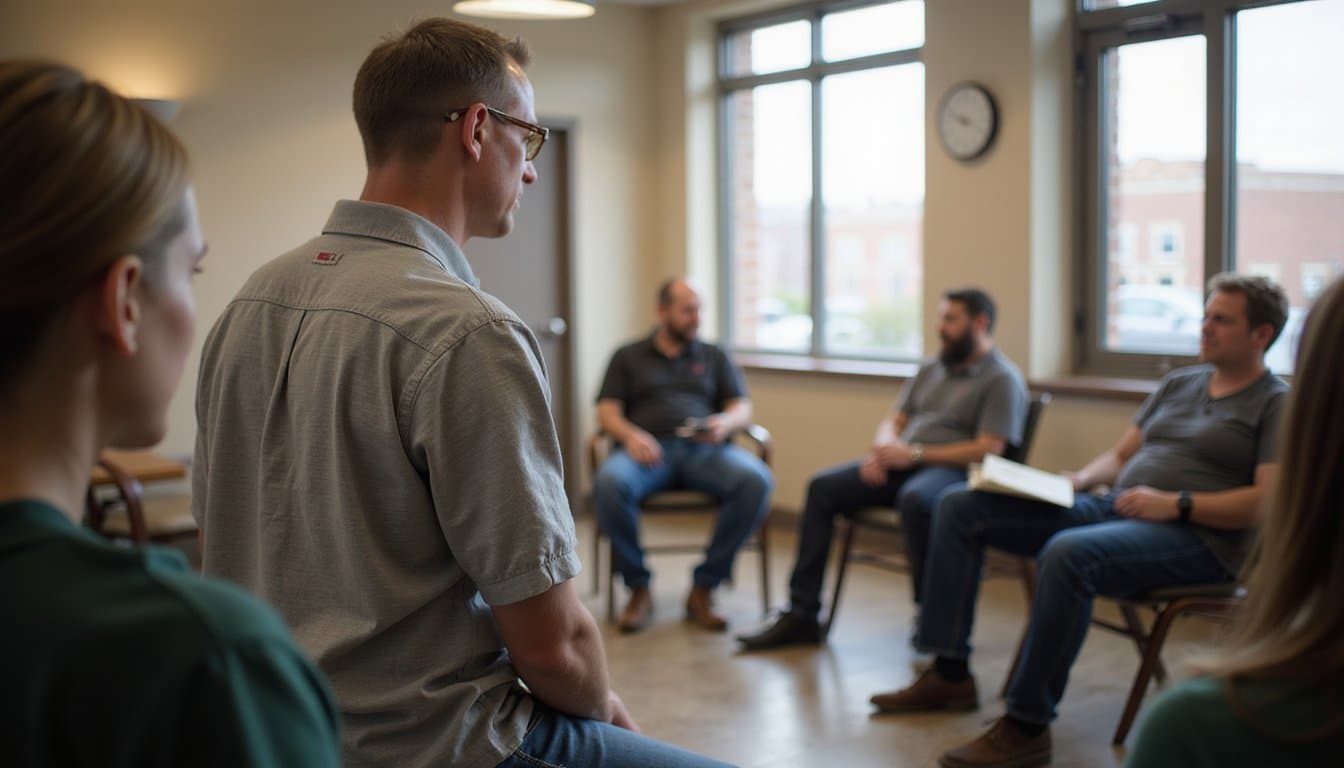
When seeking support beyond VA facilities, you’ll find an extensive network of community-based programs designed to meet your unique needs as a service member. Through veteran empowerment initiatives and community outreach programs, you can connect with peers who understand your path and access specialized care that integrates addiction and PTSD treatment.
| Program Type | Key Benefits | Access Method |
|---|---|---|
| Peer Groups | Shared experiences, military context | Local VA referral |
| Family Support | Improved stability, relationship healing | Direct enrollment |
| Women’s Services | Gender-specific trauma care | Resource centers |
| Dual Diagnosis | All-encompassing mental health treatment | Provider referral |
| Nonprofit Programs | Cost-free accelerated care | Online portals |
These programs offer veteran-led meetings, family integration services, and specialized counseling to support your recovery path while honoring your military background and unique experiences.
Evidence-Based Treatment Approaches
You’ll find multiple proven therapy options available for treating PTSD and addiction, including Cognitive Behavioral Therapy, trauma-focused treatments, and medication-based approaches. Your healthcare team can coordinate these evidence-based treatments to create a personalized plan that addresses both your PTSD symptoms and substance use challenges. Whether you prefer individual therapy, group sessions, or a combination of approaches, today’s treatment protocols offer hope through documented success rates and flexible delivery methods to fit your needs.
Proven Therapy Protocols Available
Research-backed treatment options offer multiple pathways to recovery for those seeking help with PTSD and addiction. You’ll find proven protocols like Prolonged Exposure therapy, which helps you safely process trauma memories, and Cognitive Processing therapy that teaches you skills to reshape difficult thoughts. If you’re looking for medication support, your healthcare team might recommend specific antidepressants (SSRIs) to help manage symptoms.
Family-centered approaches, such as Cognitive-Behavioral Conjoint Therapy, let you work through challenges alongside your loved ones, improving both PTSD symptoms and relationships. For those who prefer technology-assisted treatment, Virtual Reality exposure therapy offers a groundbreaking way to address combat-related trauma, with impressive success rates of up to 80% symptom improvement among veterans who complete the program.
Coordinated Mental Health Care
Building on these proven therapies, coordinated mental health care through the VHA offers a powerful advantage: extensive treatment that addresses both PTSD and addiction simultaneously. You’ll find fully integrated medical and mental health systems that support your recovery through shared electronic health records and specialized treatment teams.
When you seek coordinated care, you’ll work with PTSD specialists, substance use disorder experts, and vocational rehabilitation staff who understand the complexity of your needs. The VHA’s interdisciplinary approach guarantees you don’t have to tackle mental health and addiction challenges separately. Through programs like Health Care for Re-Entry Veterans and the Warrior Care Network, you’ll access thorough support that includes everything from clinical care to peer support. If distance is a concern, telehealth options can connect you with these essential services.
Breaking Through Barriers to Care
While veterans face significant obstacles in accessing mental health and addiction treatment, understanding these barriers is the initial step in breaking through them. Through barrier reduction initiatives and stigma awareness programs, you’ll find more veterans openly discussing their challenges and seeking help. Access improvement efforts are expanding services in rural areas, while cultural sensitivity training helps providers better understand your military experiences.
Trust building remains vital; you’re not alone in feeling hesitant about treatment. Outreach strategies now target specific veteran populations, including women veterans who face unique challenges. Funding solutions are emerging to address financial barriers, while service expansion focuses on creating more specialized treatment options. Remember, seeking help isn’t a sign of weakness; it’s a demonstration of the same courage you showed in uniform.
Peer Support and Group Therapy Options
If you’re struggling with PTSD or addiction, you’ll find strength in connecting with fellow veterans who truly understand your experiences. Building relationships through peer support groups and therapy sessions gives you access to a powerful network of warriors who’ve walked similar roads and can help guide your recovery expedition. Your participation in these veteran-centered programs will help you develop lasting bonds while learning proven coping strategies from those who’ve successfully navigated their own healing process.
Building Veteran Support Networks
Through peer support and group therapy networks, veterans can find strength, understanding, and healing among others who share similar experiences. You’ll uncover that these networks provide essential veteran camaraderie while easing your shift back to civilian life. Research shows that connecting with fellow veterans greatly improves social reintegration and relationships with family and friends.
You can access support through different formats, including clinician-led or peer-led groups, web-based programs, and in-person meetings. These options help combat isolation and provide practical coping strategies. When you participate in peer support programs, you’re more likely to engage in and stick with treatment. The military culture within these groups creates a comfortable environment where you can openly discuss challenges and work towards recovery alongside others who understand your path.
Shared Experience Heals Trauma
Because shared trauma creates unique bonds, connecting with fellow veterans in peer support and group therapy can profoundly accelerate your healing process. When you participate in these groups, you’ll find a nonjudgmental environment where shared experiences foster trust and understanding. Your path through healing trauma becomes more manageable when you’re surrounded by others who truly understand your challenges.
- You’ll learn practical coping strategies from peers who’ve successfully navigated similar struggles
- You’ll build confidence and self-efficacy through positive role modeling and group feedback
- You’ll reduce feelings of isolation while developing stronger bonds with family and community members
Group settings help normalize your experiences and make it easier to accept professional support when needed. Your willingness to engage with peers creates opportunities for lasting recovery and meaningful connections.
Creating a Personalized Recovery Plan
While every veteran’s path to recovery is unique, creating a personalized treatment plan provides the roadmap needed for healing from both PTSD and addiction. Through thorough personalized assessments, you’ll work with treatment providers to identify your specific needs and establish clear, achievable recovery milestones.
Your plan will incorporate evidence-based therapies like CBT, EMDR, or CPT, alongside specialized addiction treatment that may include medication-assisted options. You’ll learn essential coping skills to manage triggers and cravings while developing stress reduction techniques that work for you. Regular progress reviews help guarantee your treatment stays on track, with adjustments made as needed.
Building Long-Term Support Networks
As you progress in your recovery path, building a strong support network becomes essential for maintaining long-term success. Your network can include peer mentors, family members, healthcare providers, and community organizations working together to support your healing experience.
Key components of a sturdy support system include:
- Peer connections through veteran-specific support groups and recovery meetings, including virtual support options that keep you connected even when you can’t attend in person
- Family involvement through counseling sessions and educational workshops that help your loved ones understand and support your recovery process
- Community outreach through veteran service organizations and local nonprofits that provide social programs, volunteer opportunities, and practical assistance with housing and employment
Frequently Asked Questions
How Long Does the Initial VA Mental Health Assessment Typically Take?
Your initial assessment at the VA typically takes 1-2 hours, though evaluation duration can vary based on your specific needs. If you’re being evaluated for PTSD, you can expect the appointment to last 90 minutes to 2 hours to guarantee thorough documentation. Complex cases involving multiple mental health concerns may require extra time. Don’t worry, this longer appointment allows your provider to fully understand your situation and develop the best care plan.
Can Family Members Participate in PTSD Therapy Sessions With Veterans?
Yes, you can absolutely include your family in PTSD therapy sessions. Family involvement has shown remarkable benefits, reducing dropout rates by up to 50% and improving general treatment outcomes. You’ll find a range of options available, from brief family interventions to full conjoint therapy sessions. The therapy dynamics can be adjusted to fit your comfort level and circumstances. When your loved ones participate, you’ll likely experience better support, increased motivation, and stronger family relationships throughout your recovery process.
What Percentage of Veterans Successfully Complete Their Addiction Treatment Programs?
Based on current data, you’ll find that about 6% of veterans successfully complete their addiction treatment programs without immediate relapse. While these success rates might seem low, it’s crucial to understand that recovery is a process, not a destination. Treatment effectiveness greatly improves when you combine multiple support approaches and complete the full program; in fact, completing your treatment more than doubles your chances of maintaining sobriety compared to leaving the program early.
Are Service Animals Covered Under VA Benefits for PTSD Treatment?
While the VA doesn’t directly provide service animals for PTSD treatment options, you can access support through limited pilot programs currently being tested. If you’re interested in a service dog, you’ll need to work with VA-accredited organizations participating in these research pilots. Full-service animal benefits aren’t yet available as a standard PTSD treatment, but emerging research shows promising results. You can discuss these options with your VA healthcare provider to learn about pilot program eligibility.
Do VA Centers Offer Specialized Women’s Programs for Trauma and Addiction?
Yes, you’ll find specialized women’s support programs through VA centers that specifically address trauma and addiction needs. These programs offer women-only spaces where you can receive trauma therapy in a safe, supportive environment. You can request female providers and participate in gender-specific treatment that understands your unique experiences. Contact your local VA’s Women Veteran Program Manager to learn about residential programs and specialized services available in your area.