






Three major veterans recovery services will launch in 2025 that you’ll want to know about. VetServe’s nationwide campaign will unite volunteers across all 50 states during National Volunteer Week (April 20-26). The McIver Retreat Center will offer 14-person group therapy sessions with mindfulness, acupuncture, and K-9 therapy. The Los Angeles VA Campus will add 69 new supportive housing units with integrated medical care and employment assistance. These programs represent just the beginning of expanded veteran support initiatives.
VetServe’s Nationwide Service Campaign
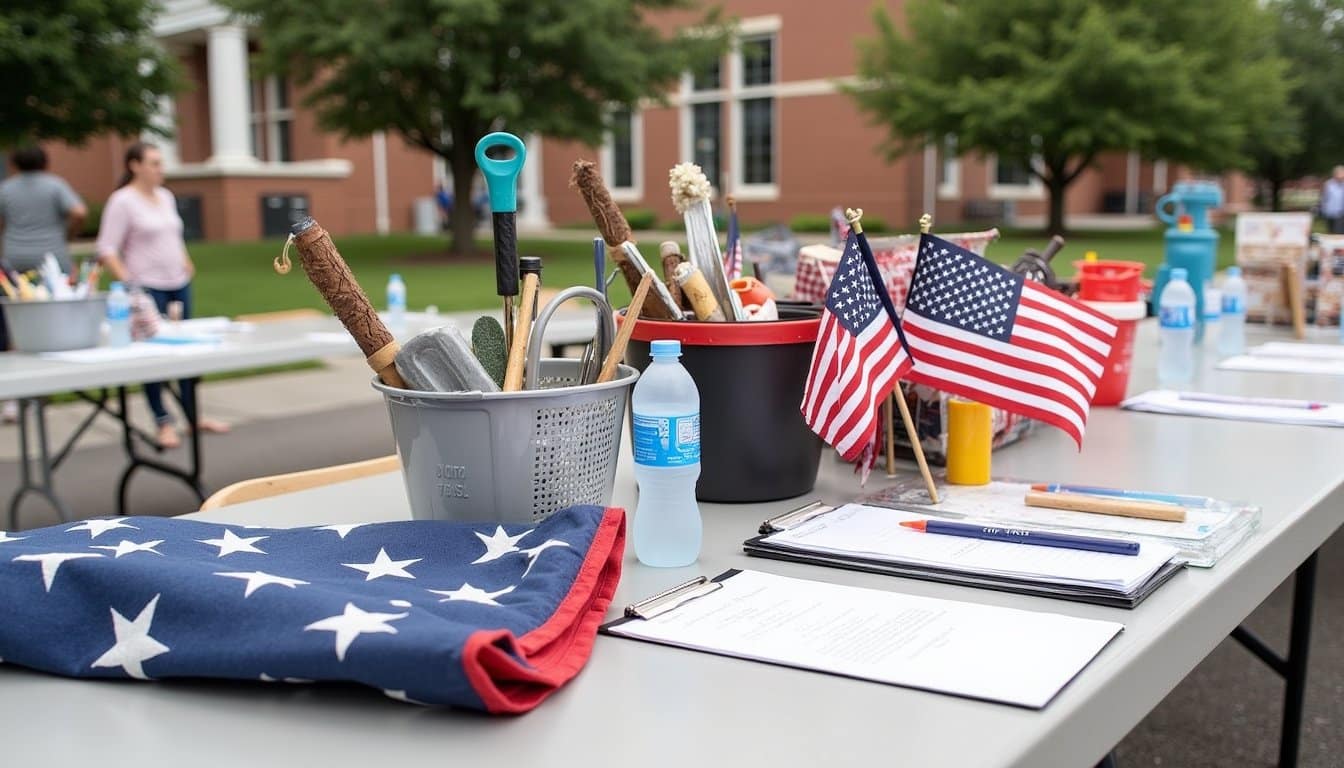
As VetServe launches its ambitious 2025 nationwide service campaign, the initiative will unite volunteers across all 50 states during National Volunteer Week (April 20-26, 2025), with April 23rd serving as the primary day of action.
The volunteer mobilization efforts focus on five core activities: memorial maintenance, resource fairs, home repairs for disabled veterans, blood drives with the American Red Cross, and Operation Gratitude care package collections. You’ll find opportunities through VA’s volunteer portal at volunteer.va.gov, where community engagement impact is tracked and shared via RallyPoint and Together We Served platforms. The program aims to engage 19 million Veterans and their families in community service activities. The initiative emphasizes fostering connections between volunteers and veterans while creating lasting impact.
The campaign partners with Team Rubicon for disaster response while collaborating with VA facilities, Veteran Service Organizations, and community leaders to optimize local impact. You can participate in honor initiatives like memorial runs and contribute to improving veterans’ quality of life.
The McIver Retreat Center Programs
Veterans seeking support at The McIver Retreat Center will experience intimate, 14-person group sessions focused on healing and recovery. The weekend program combines structured activities like storytelling, mindfulness practices, and acupuncture therapy with flexible downtime options customized to individual comfort levels. K-9 therapy sessions are also available with experienced handlers to provide additional emotional support. After completing the initial retreat, you’ll gain access to ongoing community resources, including peer support networks and follow-up counseling services. The center prioritizes creating opportunities for rest and reflection, which has proven essential for veterans’ healing journeys.
Personalized Small Group Support
Through carefully structured small group dynamics, The McIver Retreat Center Programs deliver personalized support that optimizes each veteran’s recovery path. You’ll join veteran engagement activities capped at 14 participants, ensuring individualized attention while building peer support networks. The facility’s 18 bed capacity ensures an intimate setting conducive to meaningful recovery work. The center provides spiritual guidance grounded in AA principles to support lasting recovery.
| Time | Activity | Format |
|---|---|---|
| Morning | Mindfulness | Optional |
| Mid-Day | Acupuncture | Expert-Led |
| Afternoon | Story Sharing | Group |
| Evening | Recovery Meeting | Peer-Led |
| Night | Reflection | Individual |
You’ll benefit from trained peer facilitators who guide recovery-focused discussions while maintaining a pressure-free environment. The flexible participation model lets you engage at your comfort level, choosing from multiple therapeutic options including meditation and creative expression. Expert-led sessions, such as veteran-provided acupuncture therapy, address both physical and emotional healing through non-invasive approaches.
Weekend Recovery Activities
Participation in weekend recovery activities at The McIver Retreat Center begins Friday evening and extends through Sunday, offering you a structured yet flexible therapeutic exploration. You’ll engage in storytelling sessions, shared meals, and creative workshops designed to foster connection among fellow veterans. The retreatant experiences include mindfulness practices like sunrise meditation and acupuncture with practitioner Kristine Fumia.
Your therapeutic engagement encompasses body-mind healing approaches and All Recovery Meetings that address both physical and emotional wellbeing. The program’s schedule balances structured activities with periods for quiet reflection, allowing you to participate at your comfort level. Through funding support from Tee It Up for the Troops and DHS State Opioid Response, you’ll benefit from diverse healing modalities that honor your service journey while promoting recovery and restoration. Located high on the bluffs of the Mississippi River, the center provides an ideal setting for healing and transformation.
Post-Retreat Community Resources
The McIver Retreat Center’s support extends well beyond your weekend stay through an integrated network of community resources. You’ll have access to comprehensive post retreat networking opportunities and ongoing counseling connections designed to reinforce your recovery journey.
Key post-retreat resources include:
- Digital support forums and online communities where you’ll connect with fellow veterans 24/7
- Regular check-ins with peer support specialists who’ll monitor your progress and provide targeted assistance
- Direct referrals to The Retreat’s Minnesota-based recovery programs and DHS-funded services
- Crisis intervention access through established partnerships with opioid response teams
The center’s partnerships with Recovery Community Network (RCN) and various community organizations guarantee you’ll receive sustained support customized to your specific needs as you continue your healing journey.
Los Angeles VA Campus Housing Expansion
You’ll find 69 new supportive housing units at 701 MacArthur Ave, part of the VA’s broader initiative to create 6,000 veteran housing units by 2028. To qualify for these units, you must be a veteran experiencing homelessness and agree to participate in the VA’s all-inclusive support programs, including substance abuse treatment and mental health services. Your access to on-site medical care, employment assistance, and case management will help facilitate a successful shift to permanent housing through this expanding campus program. The project returns the West LA VA campus to its original mission of serving disabled veterans, after years of leasing portions to private entities. The development aligns with the VA’s commitment to create 1,200 housing units at the West LA VA Medical Center.
New Housing Unit Details
Several major housing expansions are transforming the Los Angeles VA Campus in 2025, with Building 210’s redevelopment serving as a centerpiece of the initiative. This permanent supportive housing development spans 1.61 acres and offers modern accommodations designed specifically for veterans. The development is part of a larger initiative to house up to 6,000 veterans at the West LA VA campus.
The affordable housing development includes:
- 31 one-bedroom units and 7 studio apartments, plus a manager’s residence
- Common areas featuring a gym, computer center, library, and community room
- 23 new parking spaces to improve accessibility
- Historic preservation through adaptive reuse of the existing structure
You’ll find Building 210’s redevelopment complements other campus expansions, including 701 MacArthur Avenue’s 69 occupied units and 49 upcoming units. This project demonstrates the VA’s commitment to providing veterans with quality housing solutions through creative public-private partnerships under the Upgraded-Use Lease program.
Veteran Eligibility Requirements
Under revised eligibility criteria implemented in 2025, nearly all homeless veterans can now qualify for housing at the Los Angeles VA Campus through streamlined requirements across emergency, migratory, and permanent housing tiers.
You’ll need to demonstrate financial need through documentation, though income limits have been adjusted to align with HUD poverty guidelines. Home type considerations depend on your current situation emergency housing for immediate shelter needs, changeover units for temporary stability, and permanent residences for long-term support. Court mandated eligibility requirements prioritize homeless veterans ahead, followed by those facing eviction. Veterans with disabilities or mental health needs receive special consideration. If you’re from the Greater Los Angeles area, you may receive geographic preference in placement. The expansion includes 750 temporary and 1,800 permanent units to meet federal court orders.
Support Services Offered
The Los Angeles VA Campus Housing Expansion offers extensive support services integrated directly with residential facilities. You’ll find extensive mental healthcare offerings and substance abuse treatment options seamlessly connected to your housing unit, ensuring easy access to critical care.
The campus provides these essential support services:
- On-site medical integration through VA Greater Los Angeles Healthcare System, including medication-assisted therapy and telehealth options
- Substance abuse programs and counseling services with peer support groups in your residential community
- Job training and vocational rehabilitation services, plus opportunities for on-campus employment
- Community facilities including gyms, libraries, and computer labs, with regular cultural and educational events
These services are designed to promote your recovery, self-sufficiency, and community integration while residing at the facility.
Virtual Mental Health Support Systems
Virtual mental health support systems now form an extensive digital ecosystem designed to serve Veterans’ psychological well-being in 2025. You’ll access secure app ecosystems through Login.gov and ID.me authentication, connecting you to thorough mental health resources and strengthened crisis response networks.
VA Video Connect enables real-time sessions with providers, while apps like PTSD Coach and Mindfulness Coach offer immediate support for symptom management. You can participate in virtual community events, including the Mental Health Summit focusing on suicide prevention and social connections. The MHA for Veterans app provides self-assessments and personalized care plans, working alongside Annie’s automated text support for daily coping strategies.
If you’re experiencing distress, the 24/7 Veterans Crisis Line remains available, complemented by emergency care through VA and partner hospitals.
Infrastructure Updates at VA Medical Centers
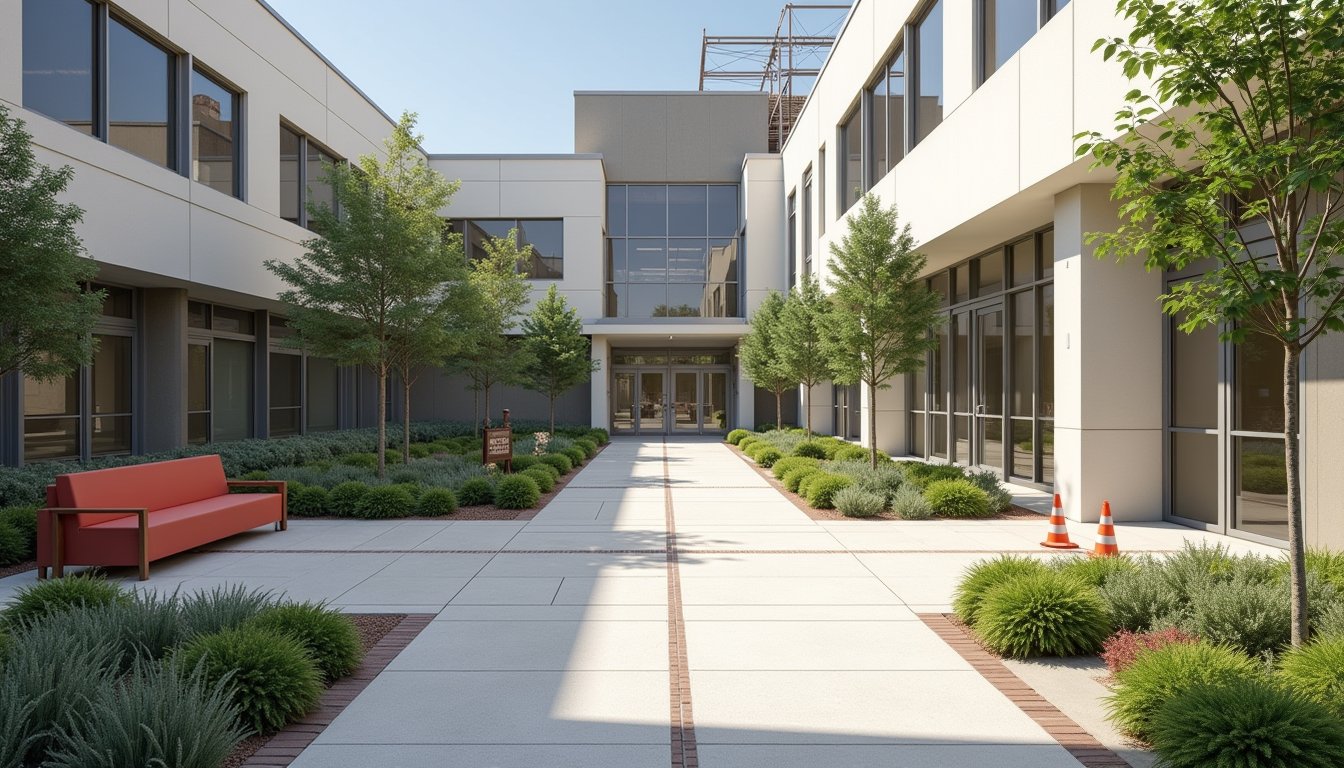
Major infrastructure improvements across VA medical centers in 2025 are transforming veteran healthcare delivery through strategic facility upgrades and expansions. You’ll find architectural design updates focused on boosted emergency treatment capabilities and improved accessibility across multiple facilities.
Strategic upgrades at VA medical centers enhance veteran care through modern facility design and expanded emergency treatment access.
Key infrastructure developments include:
- A new 17-bed urgent treatment area in DC VA’s Emergency Department, featuring specialized triage bays and a dedicated decontamination room
- Building 18’s extensive renovation with an upgraded entrance, modernized nurse stations, and a therapeutic courtyard space
- The Brick VA Clinic shift, expanding services beyond the previous CBOC capacity
- East Orange Building 1’s elevator modernization project addressing critical safety and reliability needs
These improvements directly support better patient care while maintaining 24/7 operations during construction phases.
New Accountability Standards for VA Staff
The VA’s bolstered disciplinary protocol now allows for prompt action against staff misconduct through a streamlined three-step investigation process. You’ll find the new Staff Performance Tracking System maintains detailed records of employee conduct, enabling supervisors to pinpoint patterns and address issues before they escalate. The Transparent Misconduct Investigation Process secures that all parties receive regular updates on case progress, with most investigations concluding within 30 days of initial reporting.
Enhanced Disciplinary Action Protocol
Recent legislative and executive actions have fundamentally transformed VA’s disciplinary procedures through an all-encompassing accountability framework. The modernized misconduct investigations and streamlined disciplinary process now give VA leadership stronger tools to address performance issues and maintain high standards of care.
Key changes you’ll see in the improved protocol include:
- Shortened notice periods and expedited MSPB appeal timelines
- Substantial evidence requirements for disciplinary actions
- Strengthened oversight of supervisors and managers through S.124
- Systematic review of past reinstatements and bonus recisions
The May 2025 Executive Order reinforces these measures by directing immediate implementation of Public Law 115-41’s provisions. You’ll notice stricter enforcement of medical staff conduct standards, with clear consequences for policy violations and heightened documentation requirements for patient care incidents.
Staff Performance Tracking System
Building on thorough federal workforce modernization efforts, VA’s Staff Performance Tracking System now implements standardized accountability measures through an advanced digital infrastructure. You’ll find real-time performance metrics integrated across multiple platforms, including the ePerformance web-based system that automates yearly evaluations and development plans.
The system connects directly with the Electronic Official Personnel Folder (eOPF) while maintaining FedRAMP compliance through secure AWS cloud hosting. You can track retention benchmarks, time-to-hire analysis, and EOY onboarding goals through centralized dashboards that provide internal and external visibility.
This infrastructure aligns with VA’s Human Capital Operating Plan (HCOP) and the MISSION Act, ensuring performance appraisals tie directly to strategic objectives. The automated workflow reduces administrative overhead while maintaining extensive documentation of employee achievements and development milestones.
Transparent Misconduct Investigation Process
Strengthening accountability measures, VA’s new misconduct investigation process implements detailed standards under Public Law 115-41, reinstated by the May 2025 executive order. You’ll find heightened disciplinary protocols that guarantee thorough employee ethics reviews and disciplinary records scrutiny across all VA facilities.
Key components of the transparent investigation process include:
- Mandatory documentation of misconduct findings in permanent personnel files, addressing the previous 96% settlement omission rate
- Accelerated disciplinary measures for SES employees under 38 U.S.C. §§713-714
- OAWP oversight of senior leader investigations and whistleblower protection
- Interagency collaboration between VA OIG and federal partners for extensive case management
The process redirects recovered funds from reversed rehiring decisions to veteran services, while ensuring past disciplinary actions align with current accountability standards.
Extended Hours for Mental Health Services
Veterans seeking mental health support will find expanded service hours beginning in 2025, addressing a critical gap in care accessibility. You’ll benefit from flexible appointment scheduling through the new EPS platform, which reduces the need for phone calls and streamlines the booking process. Through non-VA provider partnerships under H.R.1290, you’ll have access to crisis care beyond standard facility hours of 7:30 a.m. to 4:00 p.m.
While VA Southern Nevada maintains traditional weekday hours, you can now connect with mental health services 24/7 through the Veterans Crisis Line or Wounded Warrior Project’s triage team. The modernized system offers specialized programs like the Friday morning Grief Group, and you’ll have more options for virtual consultations and digital support tools through the EPS platform.
Holistic Recovery Workshops and Resources

Through extensive holistic retreats launching in 2025, you’ll access transformative recovery programs that combine mindfulness, acupuncture, and creative therapies. These inclusive initiatives integrate spiritual wellness activities and integrative nutrition programs to support your complete well-being.
- Attend RCN’s Veterans Retreat in Minnesota for peer-led meetings, mindfulness sessions, and artistic workshops
- Experience Combat Conscious Yoga and equine therapy at Tactical Healing Retreats on Florida’s Gulf Coast
- Participate in New Horizons’ expert panels and therapeutic discussions on trauma recovery
- Engage in 90-day post-retreat coaching to maintain your progress
These evidence-based approaches incorporate neuroscience-backed treatments, body-centered therapies, and creative expression. You’ll benefit from structured group activities while maintaining the freedom to participate at your own comfort level, supported by funding partnerships that make these services accessible.
Housing Voucher Programs and Partnerships
Looking to secure stable housing through VA benefits? You’ll find expanded support through HUD-VASH in 2025, offering rental assistance and extensive care. PHA VA partnerships guarantee you’ll receive both housing vouchers and clinical services personalized to your needs.
| Program Type | Benefit Amount | Eligibility |
|---|---|---|
| HUD-VASH | Market-based | Homeless/At-risk Veterans |
| TRA Grants | Up to $8,760 | Home Modifications |
| SHA Grants | Varies | Severely Disabled |
| SSVF | Emergency Aid | Families at Risk |
| Prevention | Case Management | All Veterans |
Through public private alliances, you’ll access additional resources beyond traditional VA support. The 2025 legislative updates will exclude disability benefits from income calculations, making it easier to qualify. You’ll also find preventive services through SSVF, helping you maintain stable housing before crisis situations develop.
Modernized Veteran Care Facilities
Three major facility developments in 2025 will transform your VA healthcare experience, starting with the Fredericksburg Health Care Center’s 470,000-square-foot integrated campus. This modernized approach delivers medical flexibility through robust services and community partnerships.
Key facility improvements you’ll see include:
- Complete outpatient care at Fredericksburg HCC, replacing three smaller clinics with advanced specialty services, from cardiology to mental health
- The National Center for Warrior Independence, offering specialized rehabilitation and employment training
- VA Greater Los Angeles expansion at UCLA Research locations with extended hours
- Technology-driven care coordination through integrated telehealth systems and digital administrative tools
These facilities feature streamlined enrollment processes, amplified data management, and coordinated care across specialties to better serve your healthcare needs.
Frequently Asked Questions
How Can Family Members Participate in Veteran Recovery Programs?
You can actively support your veteran’s recovery through family involvement in multiple ways. Attend VA-certified care workshops and health literacy programs designed for families like yours. You’ll gain valuable skills through caregiver training partnerships and peer support groups. Consider joining administrative roles in veteran organizations or participating in supply drives. You can also advocate for improved healthcare access and engage in benefits awareness campaigns to better assist your veteran.
What Transportation Assistance Is Available for Veterans Attending These Services?
You can access several transportation options for VA recovery services. Local VSOs offer volunteer rideshare programs to help you reach appointments, while VA medical centers provide shuttle services between facilities and parking areas. You’ll find transportation vouchers through state veteran offices and some career fair events. Don’t forget to check your VA facility’s web portal or app to coordinate rides and investigate community-based volunteer networks for non-emergency transport assistance.
Are Recovery Services Available for Veterans With Less-Than-Honorable Discharges?
If you have a less-than-honorable discharge, your access to VA recovery services is limited, but you’re not without options. You’ll need to check with local community organizations that offer changeover housing options and employment assistance programs outside the VA system. While the 2025 VetServe initiative may provide some volunteer-based support, it’s best to contact non-VA veteran service organizations in your area for specific programs that don’t require VA eligibility.
Which Alternative Therapy Options Will Be Covered by VA Benefits?
You’ll have access to several holistic healing modalities through VA benefits starting January 2025, including copay-free yoga, meditation, and wellness coaching services. The VA will cover these alternative treatment options as part of their Whole Health program. While HBOT and psilocybin-assisted therapy aren’t currently VA-approved, you can receive coverage for mental health services, including the initial three outpatient visits without copays, along with telehealth services for all-encompassing care.
How Do Veterans Qualify for Emergency Mental Health Support Between Appointments?
If you’re experiencing a mental health crisis between appointments, you can access immediate help through multiple channels. Call the VA Crisis Line (1-800-273-8255) for 24/7 support, or visit any VA emergency department for urgent care. You’ll qualify for crisis intervention services based on your symptoms’ severity. You can also connect with peer support groups through VA Vet Centers, which offer same-day crisis counseling. VA telehealth options are available if you can’t travel.