






You’ll find the highest addiction recovery success rates (50-72%) in programs that combine multiple treatment approaches. Medication-assisted treatment (MAT) reduces overdose risk by 3.5 times, while structured outpatient programs achieve 43% completion rates across substances. Treatment lasting 90+ days, coupled with strong support networks, can lower relapse risks by 7-25%. These evidence-based statistics point to clear patterns in what works best for sustainable recovery outcomes.
Understanding Success Metrics in Recovery Programs

While addiction recovery success can be measured in various ways, treatment programs primarily rely on quantifiable metrics to evaluate their effectiveness. According to the CCFA study, patients receiving treatment showed mental health improvement in almost all cases. You’ll find that success measurement typically focuses on sobriety rates tracked at key intervals: 30 days, 90 days, 6 months, and 1 year post-treatment.
Treatment effectiveness is assessed through multiple indicators, with retention rates serving as an essential benchmark. Programs achieving higher completion rates demonstrate better long-term outcomes. An encouraging 72.2 percent of adults with substance use problems identify themselves as being in recovery. Sadly, over 95% of those needing treatment fail to receive rehabilitation services.
Data shows that 40-60% of patients may experience relapse, comparable to other chronic conditions like hypertension. However, this metric alone doesn’t tell the full story.
Relapse rates mirror those of other chronic conditions, reminding us that addiction recovery is a complex, ongoing medical journey.
Modern programs evaluate success through extensive frameworks, including mental health improvements, social reintegration, and quality of life measures. Evidence-based approaches incorporating dual diagnosis treatment and structured aftercare consistently yield superior results.
Outpatient Treatment: A Leading Path to Sobriety
Although inpatient programs receive significant attention, outpatient treatment has emerged as a highly effective path to recovery, with completion rates reaching 43% across major substance categories. Success rates are particularly promising for alcohol and marijuana treatment, showing 45% and 36% completion rates respectively.
One of outpatient treatment’s key benefits is its flexibility, allowing you to maintain work and family commitments while receiving thorough care. Patients typically dedicate 9 to 16 hours per week to their recovery journey. Intensive outpatient programs offering three-day weekly sessions provide structured support while maintaining independence.
You’ll find that ongoing therapy and regular check-ins are essential components, with data showing improved outcomes for those who maintain consistent attendance. The treatment approach combines individual counseling, group sessions, and medical monitoring during detox when needed.
For long-term success, you’ll benefit from a continuum of care that includes relapse prevention strategies and aftercare support programs.
The Impact of Medication-Assisted Treatment
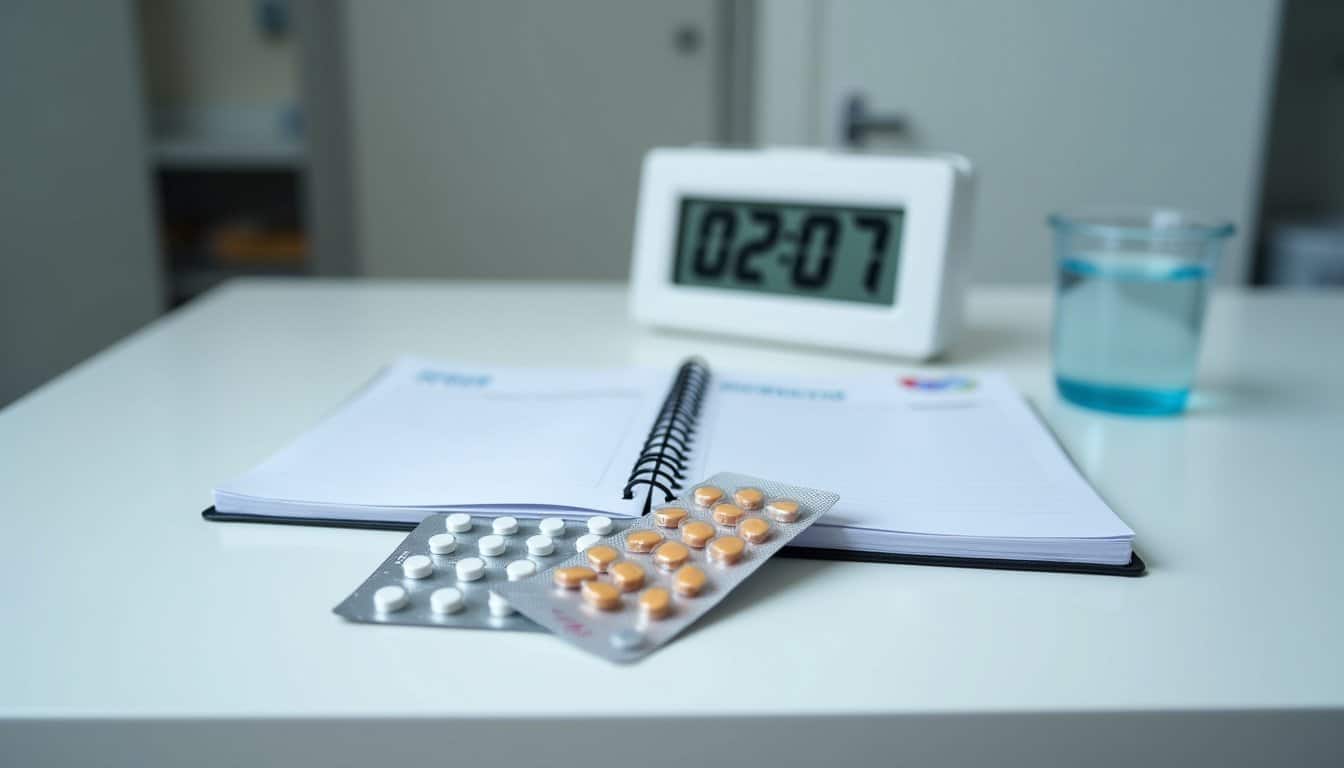
Despite proven effectiveness, medication-assisted treatment (MAT) remains underutilized, with only 25.1% of adults needing opioid use disorder treatment receiving medications in 2022.
The data shows clear MAT advantages: patients who adhere to treatment face 3.5 times lower odds of overdose compared to non-adherent individuals. Recent studies indicate that more than 130 individuals die from opioid overdose every day in the United States. Research demonstrates that combining psychosocial therapy with medication significantly improves patient outcomes compared to using either intervention alone.
Among MAT options, methadone stands as the gold standard for opioid cessation, achieving 49.1% adherence rates versus buprenorphine’s 40.8%.
Methadone leads medication-assisted treatment options with nearly 50% adherence, outperforming buprenorphine in helping patients overcome opioid addiction.
You’ll find significant cost benefits too adherent methadone patients save an average of $13.27 monthly in pharmacy costs, while non-adherent users face increases of $1,173.
Success rates vary between 33% and 72% across different MAT options, with higher success correlating to older age, female gender, and higher socioeconomic status neighborhoods.
Alcohol Rehabilitation: Success Rates and Methods
Since research demonstrates moderate efficacy in alcohol rehabilitation programs, you’ll find success rates ranging from 50-60% when treatment combines both pharmacological and psychological interventions.
To maximize therapy effectiveness, evidence points to three critical success factors:
- Treatment duration of 90+ days greatly improves recovery outcomes and mental health stability.
- Integration of family support systems and concurrent mental health treatment increases program retention by addressing underlying conditions.
- Structured aftercare participation reduces relapse triggers through ongoing support and accountability.
While 40-60% of individuals experience relapse within the first year, you can enhance your recovery potential through evidence-based approaches like CBT, motivational interviewing, and peer support groups. Behavioral therapies demonstrate particularly strong outcomes for alcohol addiction treatment. The quality and appropriateness of treatment programs are essential, with evidence-based treatments consistently showing higher success rates.
CDC data suggests that 75% of individuals ultimately achieve recovery when following thorough treatment protocols.
Building Effective Long-Term Support Networks

When you build effective support networks during recovery, the data shows considerable improvements across multiple outcome measures.
Research demonstrates that 81% of participants experience enhanced personal networks, while 77% report stronger community bonds. Support groups help clients find positive role models who have overcome similar challenges. These network dynamics translate into concrete outcomes, with relapse risks dropping 7-25% compared to those without strong support systems.
Building strong support networks can reduce relapse risk by up to 25% while fostering deeper personal and community connections.
Network Support treatment showed that participants achieved 20% more abstinent days over the two-year study period. You’ll find that actively restructuring your recovery connections yields measurable benefits: Network Support approaches achieve 35% abstinence rates at 12 months versus 20% with CBT alone. According to nationwide data, over 2 million people participated in substance use treatment through self-help groups in 2019.
The evidence points to social circle composition as a critical factor increasing your connections with abstinent individuals while reducing contact with heavy drinkers considerably improves your recovery prospects.
Whether through AA attendance (chosen by 50% of Network Support participants) or other community engagement, maintaining these support structures proves essential for long-term success.
Geographic Variations in Recovery Outcomes
The geographic landscape of addiction recovery services reveals stark disparities across the United States, with treatment accessibility varying dramatically between urban and rural regions.
While California boasts 2,350 facilities, rural states like Vermont have just 61, highlighting significant gaps in rural access. Only 23.6% seek treatment nationwide, underscoring the critical need to expand services across all regions.
Key findings demonstrate the impact of location on treatment outcomes:
- Urban centers concentrate specialized programs, leaving rural areas with basic services and transportation barriers.
- County-level alcohol-related hospital stays vary up to 10x higher in regions like North Dakota, Wisconsin, and Texas.
- Geographic variation accounts for 0.9-4.3% of treatment rate differences, with individual characteristics driving 10-19% of outcomes.
You’ll find that telehealth services, mobile treatment units, and targeted funding for rural infrastructure are emerging as vital solutions to bridge these geographic divides.
Frequently Asked Questions
How Does Mental Health History Affect Addiction Recovery Success Rates?
Your mental health history greatly impacts your recovery outcomes from addiction.
If you have co-occurring mental health disorders, you’ll face increased relapse risks and more complex recovery challenges.
Without treating both conditions simultaneously, your chances of successful recovery decrease considerably.
However, when you participate in integrated care programs that address both your addiction and mental health needs concurrently, you’ll experience better outcomes and reduced long-term relapse vulnerability.
What Role Does Genetic Predisposition Play in Treatment Effectiveness?
Your genetic markers greatly influence how well different addiction treatments work for you.
Research shows that specific genetic variations can affect your response to medications by up to 30-40%. Through treatment personalization based on your genetic profile, you’re more likely to succeed in recovery.
For example, if you carry certain dopamine receptor variants, you’ll respond better to specific medications like naltrexone, while others might work better with alternative treatments like buprenorphine.
Do Seasonal Changes Impact Relapse Rates and Treatment Outcomes?
Yes, seasonal triggers and weather effects greatly impact your recovery journey.
You’ll face distinct challenges each season from summer’s social pressures at parties to winter’s SAD symptoms and isolation.
While there’s no universally dominant season for relapses, you’re more vulnerable during seasonal shifts.
Data shows these patterns affect millions, with both environmental factors (like reduced sunlight) and social elements (holiday stress, vacation risks) influencing your relapse risk throughout the year.
How Do Recovery Success Rates Differ Between Rural and Urban Areas?
You’ll find significant disparities in recovery success rates between rural and urban areas.
Rural challenges include lower treatment initiation (37-41% vs. 38-44% urban) and reduced long-term engagement (15-21% vs. 17-23% urban). These differences stem from limited detox services (absent in 82% of rural counties) and transportation barriers.
Urban resources provide advantages through extensive support systems, integrated mental health services, and specialized care options, leading to better treatment outcomes overall.
What Percentage of Patients Successfully Complete Multiple Rounds of Rehabilitation?
While specific success rates for multiple rounds of rehabilitation vary across patient demographics and treatment modalities, you’ll find that approximately 40-60% of patients require repeated treatment attempts.
Research shows that you’re most likely to complete subsequent rounds if you’ve finished your first program though only 43% initially do.
With each additional treatment episode, you’ll see completion rates drop by roughly 15-20%, primarily due to financial barriers and treatment fatigue.