






If you’re an occasional cannabis user, THC typically remains detectable in your saliva for 24-72 hours post-consumption. Regular consumers face substantially longer detection windows, standard oral fluid screenings can identify THC metabolites for 1-7 days after your last use. Your individual clearance rate depends on metabolism, hydration levels, body composition, and consumption frequency. Understanding these variables helps you estimate your personal detection timeline more precisely.
Understanding THC Detection in Saliva Tests

When you undergo a saliva test for THC, detection windows vary considerably based on your usage patterns. For infrequent users, THC remains detectable for approximately 24-72 hours, while regular consumers may test positive for 1-7 days. Roadside screening typically identifies THC around 12 hours post-consumption for occasional users and up to 30 hours for frequent users.
Your metabolic differences notably influence clearance rates. Factors including body composition, hydration levels, and saliva pH affect how quickly you’ll eliminate THC. Environmental conditions during testing, such as sample contamination from food or beverages, can also impact accuracy. Staying well-hydrated can help your body remove THC more efficiently and potentially shorten your detection window.
At a 20 ng/mL cutoff threshold, median detection time drops to 3.5 hours. However, THC concentrations peak immediately after smoking, then decline substantially over 12 hours. Saliva testing has become preferred because it provides quick results, often within minutes, making it ideal for workplace and roadside applications.
Detection Windows for Occasional Cannabis Users
For occasional cannabis users, saliva testing presents a considerably shorter detection window compared to chronic consumers. Research indicates THC typically remains detectable for 12-24 hours post-consumption, though the length of saliva detection window can extend up to 72 hours with highly sensitive testing methods.
Occasional users typically clear THC from saliva within 24 hours, though sensitive tests may detect it up to 72 hours.
Key factors affecting your detection timeline:
- Dose consumed: Higher potency cannabis or larger amounts prolong clearance time
- Metabolic rate: Faster metabolism accelerates THC elimination from saliva
- Hydration status: Increased fluid intake and saliva flow reduce THC concentrations
- Test sensitivity: Detection thresholds vary between testing protocols
The variance in THC detection times stems from individual biological differences, including body composition and oral pH levels. You’ll typically clear THC from saliva within 24 hours following single-use episodes. Unlike hair tests that can reveal drug use history over 90 days, saliva tests offer only a brief snapshot of recent cannabis consumption. It’s worth noting that washing the mouth, eating, or drinking can remove THC residues and potentially lead to a negative result even within the typical detection window. Factors such as hydration levels and frequency of cannabis use can also play significant roles in thc detection time in mouth swabs. Additionally, certain medications and dietary choices may influence the accuracy of saliva test results, creating variability among individuals.
How Long THC Remains Detectable in Regular Users

Regular cannabis users face noticeably prolonged detection windows compared to occasional consumers, with THC remaining identifiable in saliva for 1-7 days following last use. Your frequency of consumption directly influences THC accumulation patterns, as repeated use builds cannabinoid concentrations in oral fluid over time.
Clinical evidence indicates frequent users typically test positive around 30 hours post-consumption on standard roadside assessments. However, saliva test limitations become apparent with chronic smokers, who may exceed detection thresholds beyond 30 hours for THCCOOH metabolites. In extreme cases, some regular users may show detectable THC levels up to 30 days after their last consumption.
Several physiological factors affect your clearance timeline, including metabolism speed, saliva pH levels, and hydration status. Higher potency products and larger consumption amounts further extend detection periods. Heavy daily users with sensitive testing protocols may produce positive results up to seven days after cessation. When multiple substances are used together, combination of drugs can further extend these detection windows beyond typical timeframes. Additionally, factors such as individual body composition and overall health can influence how long drugs remain in saliva. Understanding these variables is crucial for those concerned about drug testing outcomes.
Factors That Influence THC Detection Times
Understanding detection windows requires examining the specific variables that influence how long THC persists in your saliva. Your individual physiology creates unique detection parameters that standard timelines can’t fully capture.
Your body’s unique chemistry creates a personalized detection timeline that no standard chart can accurately predict.
Key variables affecting your THC detection:
- Metabolism rate variation determines how quickly your body processes and eliminates cannabinoids from oral fluid
- Body fat percentage impact influences THC storage, as higher adipose tissue extends release into saliva
- Hydration levels directly alter THC concentrations, adequate fluid intake flushes cannabinoids more efficiently
- Consumption method affects deposition patterns, with smoking creating immediate oral mucosa contact while edibles remain detectable up to 44 hours
Dosage and product potency also considerably modify retention periods. Higher THC concentrations in consumed products correlate directly with extended detection windows and elevated saliva levels. Research shows that chronic cannabis use causes THC to accumulate in fatty tissues, which slows down metabolite elimination and extends how long cannabinoids remain detectable. Standard saliva tests can typically detect cannabis for up to 24 hours, with some evidence suggesting detection may extend to 30 hours after use. Additionally, several factors such as individual metabolism, the frequency of use, and body fat percentage can further influence cannabis saliva detection times. For instance, infrequent users may clear THC from their saliva more quickly compared to daily users, making detection windows shorter in the former group.
How Mouth Swab Tests Work and Their Accuracy
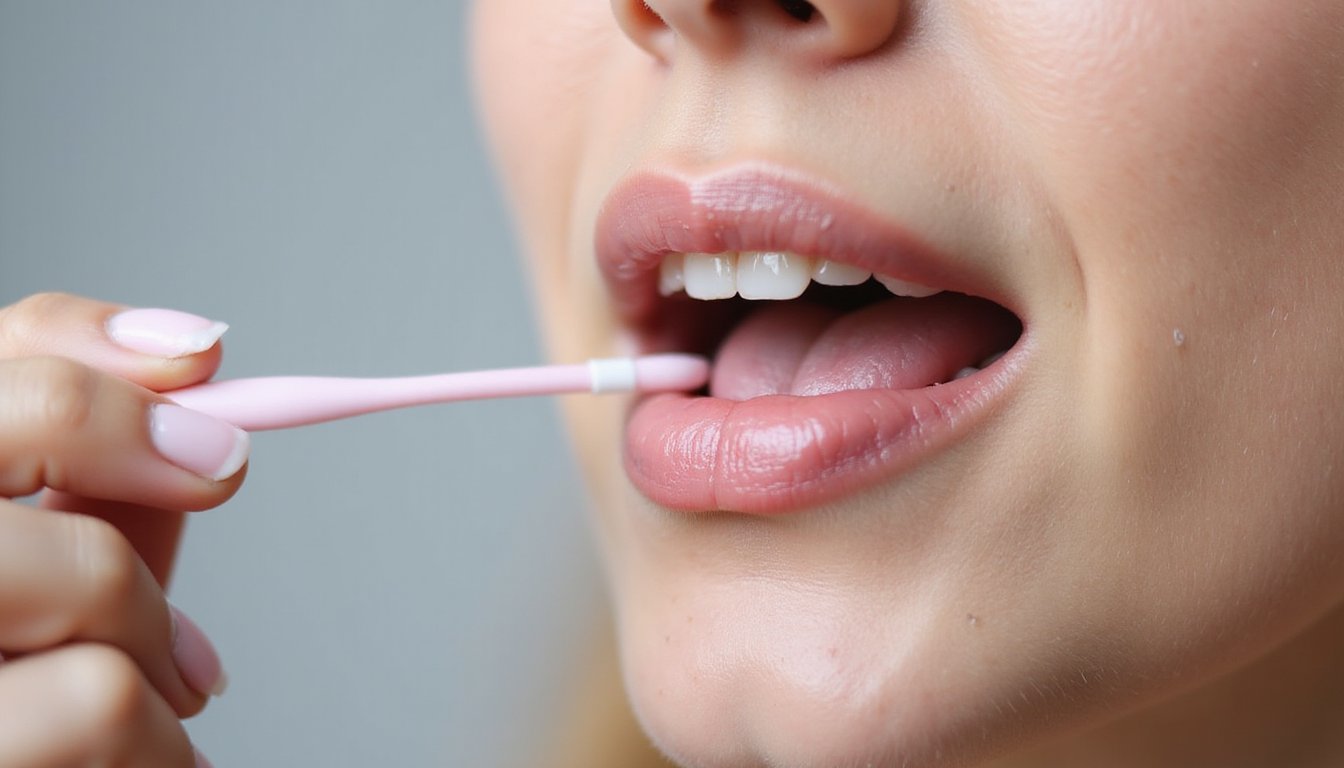
Oral fluid testing employs a swabstick with an absorbent pad that you place inside your cheek or under your tongue for several seconds to collect sufficient saliva. You’ll need to avoid eating or drinking for 10 minutes before collection to verify sample integrity. When performed correctly, these tests achieve accuracy rates above 97%, though results vary depending on the specific substance being detected. However, saliva tests are less accurate than urine or blood tests and can produce false positives or negatives. Factors such as dehydration, excessive brushing, or mouthwash use can reduce drug residues in saliva, potentially affecting test results.
Saliva Collection Process
Saliva drug tests rely on a straightforward collection process that takes just minutes to complete. You’ll need to abstain from eating or drinking for 10 minutes before testing to guarantee proper sample collection techniques. Drinking water 15-20 minutes prior helps you accumulate adequate saliva for specimen retrieval.
During collection, you’ll use an absorbent swab to sweep against your cheeks, gums, and tongue. Maintaining specimen integrity necessitates avoiding biting or chewing on the collector device. This testing method is quick, easy, and non-invasive compared to urine or blood tests. The streamlined process also reduces concerns about sample tampering that are more common with other testing methods.
Key collection requirements:
- Refrain from food and beverages for 10 minutes pre-test
- Gently sweep the swab inside your mouth multiple times
- Avoid manipulating the collector with your teeth
- Keep the specimen container upright during transfer
Results typically appear within 10-30 minutes following proper collection protocols.
Test Accuracy Rates
Most commercially available saliva screening kits claim accuracy rates approaching 99% through enzyme immunoassay technology, but real-world performance tells a more complex story. Mobile devices like Securetec DrugWipe and Draeger DrugTest 5000 demonstrate false negative rates between 9% and 16%, while false positive rates range from 5% to 10%. These performance limitations mean accuracy, specificity, and sensitivity fall below EU regulatory standards. Research from the Lambert Initiative for Cannabinoid Therapeutics at the University of Sydney confirmed these devices returned both false positives and false negatives when compared against mass spectrometer measurements.
You should understand that newer technologies show promise. The CannibiSenS handheld device achieves 94% accuracy by measuring actual THC concentration rather than mere presence, distinguishing between THC and CBD to minimize false positives. This electrochemical sensor is more sensitive than over-the-counter tests currently available on the market.
Laboratory confirmatory testing using liquid chromatography-mass spectrometry remains the gold standard, outperforming mobile devices in THC quantification. However, even laboratory methods show limitations when detecting oral cannabis administration through saliva samples.
Scientific Data on THC and Metabolite Detection
Because detection windows vary markedly based on usage patterns, understanding the scientific evidence behind THC persistence in saliva helps you interpret test results accurately. Detection accuracy depends substantially on cutoff thresholds, at 20 ng/mL, median last detection time measures 3.5 hours for occasional users, while lower thresholds extend this window considerably.
Detection windows depend heavily on cutoff thresholds, lower limits extend detection times significantly beyond standard testing parameters.
Research demonstrates THC concentrations peak approximately 10 minutes post-vaporization, then decline rapidly. Your metabolite THCCOOH persists longer than parent THC, with detection extending up to 122 hours in some cases. Interestingly, one study found that THC levels in saliva were undetectable at all time points after oral administration of medical cannabis, suggesting saliva testing may not be sensitive or reliable for detecting oral consumption.
Key scientific findings you should know:
- Occasional use: THC typically clears saliva within 12-24 hours
- Frequent use: Detection extends 24-48 hours, potentially up to 8 days
- Heavy/daily use: THC remains detectable 72+ hours
- Metabolites: THCCOOH detection ranges from 1 to 48+ hours depending on combined analyte cutoffs
Comparing Detection Times for Different Cannabinoids
Different cannabinoids exhibit distinct pharmacokinetic profiles in saliva, creating variable detection windows that directly impact testing outcomes. THC remains detectable for 8-12 hours following a single joint in occasional users, while CBD demonstrates a shorter median detection window of 2-5 hours. Your cannabis user frequency profoundly influences these timelines, heavy users may test positive for THC up to 30 hours post-consumption.
Secondary cannabinoid metabolites like THCCOOH persist longer than parent compounds, extending detection beyond 30 hours in chronic smokers versus 0-24 hours in occasional users. You’ll find that consumption method alters these windows considerably: smoking produces immediate peak concentrations that clear faster, while edibles delay appearance and extend detection up to 44 hours. Understanding these distinctions helps you accurately interpret saliva testing results.
Tips for Understanding Your Personal Detection Window
Several interconnected variables determine your unique THC detection window, making personalized evaluation essential for accurate timeline predictions. Your saliva retention rates depend on consumption frequency, metabolic efficiency, and body composition. Understanding saliva persistence patterns requires examining multiple physiological factors simultaneously.
Consider these critical determinants when inspecting your detection timeline:
- Body fat percentage: Higher adipose tissue stores THC-COOH longer, affecting gradual metabolite release into saliva
- Consumption frequency: Daily users face 30-60 day windows versus 3-4 days for single-use events
- Product potency: Higher THC concentrations extend detection periods substantially
- Metabolic rate: Faster metabolism accelerates clearance, while slower rates prolong detection
Your age, activity level, and overall health status further modulate elimination kinetics. Track these variables to establish reliable personal benchmarks.
Moving Forward Means Staying Committed Let Us Help You Do That
Understanding saliva detection windows for THC is a common concern for those in recovery who face regular testing. Addiction Aftercare Antelope Valley at Quest 2 Recovery offers a supportive outpatient rehab after inpatient program that helps clients maintain accountability and sobriety. Serving individuals throughout Los Angeles County, our team is with you for the long haul. Reach out at (855) 783-7888.
Frequently Asked Questions
Can Mouthwash or Brushing Teeth Help Pass a Saliva Drug Test?
Yes, using mouthwash and brushing your teeth can help you pass a saliva drug test if you’ve recently consumed THC. These oral hygiene practices reduce THC concentrations in your oral cavity, potentially lowering levels below the 12 ng/ml detection threshold. Chewing gum and using mouthwash stimulate saliva production, which dilutes THC presence. However, these methods only address surface-level residues, not systemic THC, and effectiveness varies based on test sensitivity and consumption frequency.
Does Eating Food Before a Mouth Swab Test Affect Results?
Yes, eating food before a mouth swab test can affect results. Food consumption duration prior to testing influences oral fluid composition and THC concentration levels. Consuming food stimulates saliva production, potentially diluting THC metabolites temporarily. However, test sample collection timing remains critical, most protocols require 10-30 minutes without eating or drinking beforehand to guarantee specimen integrity. Clinical evidence shows fatty foods may temporarily alter oral cavity pH, marginally affecting detection sensitivity, though they won’t eliminate detectable THC.
Are Home Saliva THC Tests as Accurate as Professional Laboratory Tests?
No, home saliva THC tests aren’t as accurate as professional laboratory tests. The reliability of home saliva tests suffers from higher cutoff thresholds (12 ng/ml) and lack of confirmatory steps, often producing false negatives for low THC concentrations. The sensitivity of professional saliva tests reaches 98% accuracy through LC-MS/MS confirmation protocols and ISO/IEC 17025 quality controls. You’ll find lab-based screening achieves specificity rates of 0.93-1.00, while home kits demonstrate approximately 80% accuracy for detection.
Can Secondhand Marijuana Smoke Cause a Positive Saliva Test Result?
You’re unlikely to test positive from secondhand marijuana smoke under normal conditions. Secondhand exposure duration plays a critical role, THC typically remains detectable in oral fluid for only 20-50 minutes post-exposure. Secondhand smoke concentration matters considerably; you’d need prolonged exposure in poorly ventilated, enclosed spaces to risk a positive result. Studies confirm that well-ventilated environments produce no detectable THC levels, and standard testing protocols with appropriate waiting periods effectively eliminate false positives from passive exposure.
Do CBD Products Without THC Trigger Positive Mouth Swab Tests?
Pure CBD products without THC won’t trigger positive mouth swab tests. Research demonstrates that orally administered pure CBD at doses up to 1500 mg produces zero THC-positive results on validated testing devices. CBD product contents matter exceedingly, modern oral fluid screening technology distinguishes between THC and CBD despite their structural similarities. Saliva test accuracy remains high when products contain no THC contamination, with studies showing no false-positives across hundreds of administered tests.