






General THC Detection Windows for Mouth Swab Tests
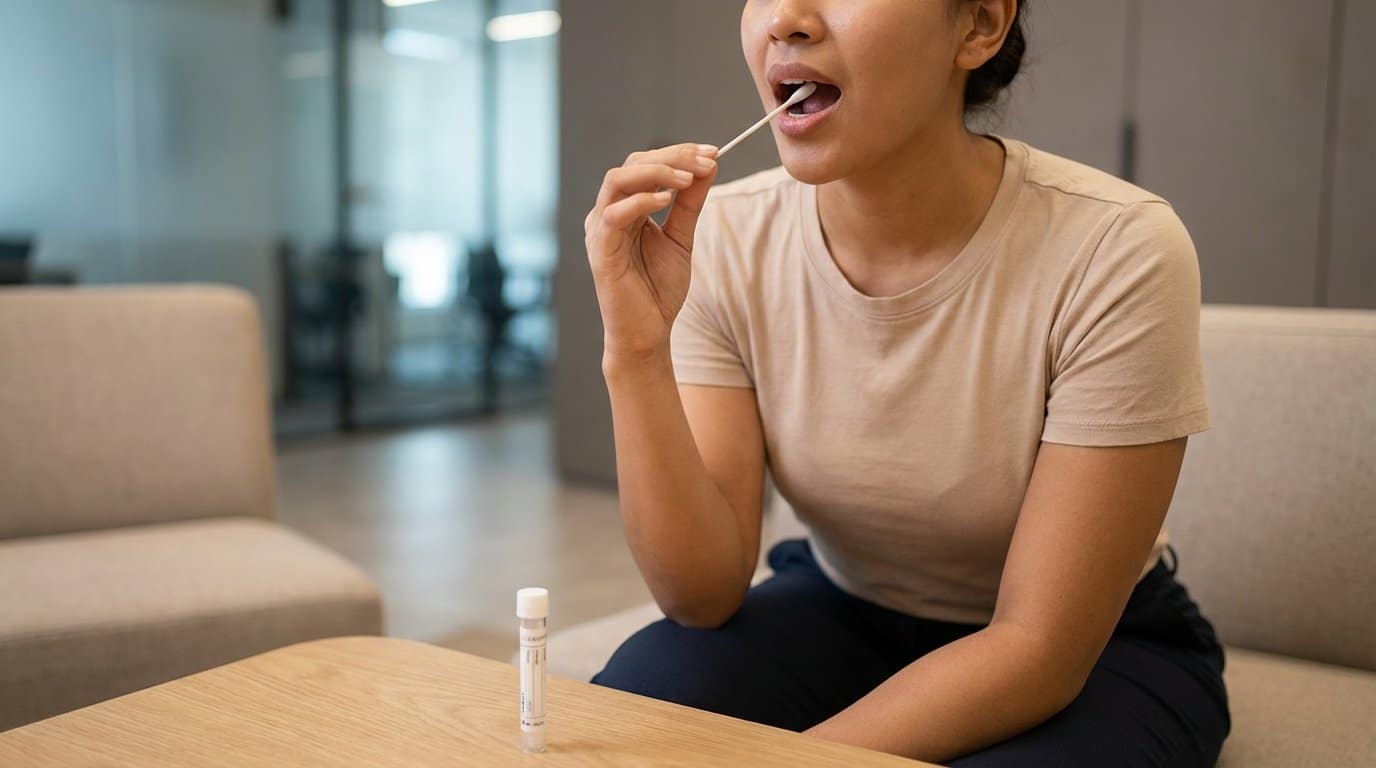
Mouth swab tests pick up THC within a relatively narrow window compared to other drug testing methods. You’ll typically test positive for 5, 48 hours after cannabis use, with peak concentrations occurring immediately post-consumption and rapid clearing within 12 hours. Factors such as individual metabolism, frequency of use, and the potency of the cannabis can influence the thc saliva test detection time. In some cases, heavy users might be detectable for longer periods, while occasional users could clear the substance more quickly.
For pre employment screening purposes, understanding these detection windows carries significant legal implications. Research demonstrates median last detection times of approximately 6 hours when laboratories apply THC cutoffs of 1, 2 μg/L combined with THCCOOH at 50 ng/L. However, certain testing protocols can identify THC presence up to 72 hours post-use. Studies show that chronic frequent smokers exhibit significantly higher oral fluid THC concentrations compared to occasional users, which can extend their detection windows.
Your detection window depends on the specific cutoff levels employed. SAMHSA/DOT-approved oral fluid testing provides reliable evidence of recent cannabis consumption, making it particularly valuable when employers need to establish temporal proximity between use and testing. Unlike urine or hair tests, saliva testing is less invasive than blood tests while still providing actionable results for workplace safety protocols.
Detection Times for Occasional Cannabis Users
If you’re an occasional cannabis user facing an oral fluid screening, your detection window typically spans 24, 72 hours post-consumption, though most individuals clear detectable THC levels within 12, 48 hours. Research by Huestis et al. establishes a median last detection time of 12 hours for occasional smokers, with single-use scenarios yielding positive results up to 13.5 hours.
Your saliva retention rates depend on consumption method. Smoking creates peak oral cavity concentrations within 10 minutes, while edibles extend detection to 44 hours due to prolonged systemic absorption. Understanding sensitivity implications is vital, tests calibrated at 12 ng/ml cutoffs demonstrate 94% accuracy for single-use detection. Factors including metabolism, hydration, and oral pH directly influence your clearance timeline, potentially shortening or extending your detection window. Staying well-hydrated can help your body remove THC more efficiently and reduce the time it remains detectable in saliva. Since saliva tests detect parent compounds rather than metabolites, proper swabbing technique across the entire oral cavity is essential for accurate sample collection.
Extended Detection Periods for Frequent and Chronic Users
While occasional users typically clear detectable THC within 48 hours, frequent and chronic consumers face substantially extended detection windows that fundamentally alter oral fluid screening outcomes.
Research demonstrates a comparison of frequent versus chronic users reveals distinct pharmacokinetic profiles. Frequent smokers show median last detection times of 21 hours, extending to 30 hours post-consumption. The chronic user detection window timeline stretches dramatically, studies document THC presence up to 8 days following cessation in detoxification patients. Researchers used creatinine-corrected THC-COOH ratios in urine samples to monitor for the possibility of new cannabis intakes during the study period.
Key Detection Patterns for Heavy Users:
- Median detection extends to 21-30 hours versus 12 hours for occasional users
- Chronic consumers yield 77% positive rates with intermittent negative samples
- High-dosage frequent use produces detection windows of 24-72 hours
- Detoxification studies confirm 8-day maximum detection in addicted populations
You’ll experience prolonged vulnerability to positive screening results with sustained consumption patterns. This extended detection occurs because chronic cannabis use causes THC to accumulate in fatty tissues, which slows down metabolite elimination and allows for gradual redistribution back into saliva over time.
Factors That Influence How Long THC Remains Detectable
Several physiological and behavioral variables determine your individual THC detection window in oral fluid screening. Your body fat percentage greatly impacts retention, as THC’s lipophilic properties cause storage in adipose tissue, prolonging elimination in individuals with higher fat concentrations. Genetic polymorphisms in CYP2C9 and CYP3A4 enzymes regulate your metabolic processing speed, creating detection variability from 24 to 72 hours. Additionally, factors such as hydration levels and the frequency of cannabis use can also influence the duration of drugs in saliva, impacting detection times. Chronic users may have a longer detection window due to the cumulative effects of THC stored in their system.
The influence of dehydration elevates THC concentrations in oral fluids, extending detectability without actual dilution benefits. Your consumption method matters, edibles metabolize slower than smoked cannabis, while higher THC doses correlate directly with prolonged metabolite presence. Second hand smoke exposure can introduce detectable THC levels, though typically at lower concentrations. Faster basal metabolic rates accelerate clearance, while slower metabolizers retain THC-COOH longer in saliva samples. Test sensitivity also plays a critical role, as more sensitive tests can identify lower doses of cannabis that less sensitive screening methods would miss. Consuming cannabis alongside fatty meals or oils can increase bioavailability, potentially extending the detection window by enhancing THC absorption into your system.
Testing Accuracy and THC Concentration Cutoffs
Testing accuracy in oral fluid screening depends critically on the concentration cutoff your testing protocol employs. At a 12 ng/mL cutoff, you’ll achieve 96% accuracy compared to GC/MS confirmation standards. SAMHSA and DOT-approved tests utilize validated sample preparation techniques to guarantee reliable biomarker identification of parent THC compounds.
Your detection windows vary significantly based on selected thresholds:
- 20 ng/mL cutoff: Median detection time of 3.5 hours, ranging from under 1 to 4 hours
- 2 μg/L THC with 20 ng/L THCCOOH: Median detection extends to 6 hours
- 1, 2 μg/L THC with 50 ng/L THCCOOH: Detection ranges from 3 to over 22 hours
- Frequent users at 20 ng/mL: Detection persists up to 30+ hours
Lower cutoffs extend detection windows but may diminish specificity for recent impairment assessment. Saliva testing remains preferred because THC concentrations in oral fluid are more consistent than blood, providing more reliable results for detecting recent cannabis use. These oral fluid tests offer reduced concerns about sample tampering compared to urine testing, making them increasingly popular for workplace screening programs.
What to Expect From Mouth Swab Test Results and Timelines
Understanding cutoff thresholds helps you interpret what your actual test results will show and when you’ll receive them. Point-of-collection tests deliver results within minutes, making them ideal for roadside or employment screening scenarios. Laboratory-analyzed specimens require 24-48 hours for thorough oral THC metabolites evaluation.
| Test Type | Result Timeline |
|---|---|
| Point-of-Collection | Minutes |
| Laboratory Analysis | 24-48 hours |
Your detection window depends on usage patterns. Occasional users typically show residual smoking evidence for 24-72 hours, while frequent users may test positive for 7-8 days post-cessation. Parent THC concentrations decline rapidly in saliva, but metabolite detection extends this window. Factors such as individual metabolism, body fat percentage, and hydration levels also play crucial roles in THC detection times. When considering how long does THC stay in saliva, it is important to account for these variables, which can significantly impact the duration of detectable metabolites.
You should note that positive and negative samples often intersperse during the elimination phase, creating variable results several days after your last use.
Clear the Test and Clear Your Path Start a Cleaner Chapter
Questions about THC detection in mouth swab tests often arise in the context of employment or legal requirements during recovery. Quest 2 Recovery supports clients through every practical challenge of sobriety with a dependable IOP program and aftercare services. Our team in Los Angeles County is equipped to help you stay on track. Call (855) 783-7888 for practical recovery support.
Frequently Asked Questions
Can Secondhand Marijuana Smoke Cause a Positive Mouth Swab Test Result?
Secondhand smoke exposure rarely causes mouth swab false positives under normal circumstances. You’d need prolonged exposure in a small, unventilated space with heavy active smoking to risk a positive result. Studies show passive exposure produces THC levels of 3.6-26.4 ng/mL immediately after exposure, but concentrations drop below standard 4 ng/mL cutoffs within approximately 30 minutes. Your risk remains extremely low unless you’re exposed to extreme, confined conditions for extended periods.
Does Brushing Teeth or Using Mouthwash Help Pass a Mouth Swab Test?
Yes, brushing your teeth and using mouthwash can help you pass a mouth swab test. These saliva dilution methods physically remove THC residues from your oral cavity, potentially reducing concentrations below the 12 ng/ml detection threshold. Mouthwash effectiveness stems from its ability to clear parent THC compounds from mucosal surfaces. Combined with eating, drinking, and maintaining proper hydration, these oral hygiene practices demonstrably shorten your detection window by flushing residual cannabinoids.
Are Mouth Swab Tests Legal for Workplace Drug Testing in All States?
You’ll find mouth swab tests are legally permitted for workplace drug testing across all 50 states, with no blanket state prohibitions currently in effect. However, you must navigate significant state-specific variations. Workplace privacy concerns influence regulations in states like New York and California, which impose reasonable suspicion requirements. The legal implications of testing intensify in cannabis-legalized jurisdictions, where you’ll need documented safety justifications to mitigate litigation risks from adverse employment actions.
Can CBD Products Trigger a Positive Result on a THC Mouth Swab Test?
Pure CBD isolate won’t trigger a positive result, but full-spectrum CBD product effects can cause detection issues. These products legally contain up to 0.3% THC, and residual THC levels may exceed the 12 ng/ml cutoff with high-dose or frequent use. Studies confirm 20-30% of CBD products contain inaccurate labeling, potentially elevating your THC exposure. You’ll minimize risk by choosing CBD isolate and maintaining proper oral hygiene before testing.
How Do Mouth Swab Test Detection Times Compare to Urine or Blood Tests?
Mouth swab tests detect THC for 5, 48 hours, while urine testing identifies metabolites for 1, 30 days and blood maintains detectability for 1, 2 days. When detecting THC concentration levels, you’ll find saliva mirrors blood’s rapid clearance kinetics, declining markedly within 12 hours post-consumption. However, chronic users may test positive via saliva for up to 8 days. Evaluating mouth swab accuracy shows 96% concordance with GC/MS laboratory confirmation standards.