



When your child takes psychiatric medications, mixing them with alcohol, cannabis, or recreational drugs can trigger dangerous reactions, including serotonin syndrome, respiratory depression, and cardiovascular complications. Research shows 26% of young people on psychotropics face major interaction risks, with nearly half of antidepressant users vulnerable to serious complications. Warning signs include sudden mood shifts, coordination problems, and worsening mental health symptoms. Understanding mixing substances and mental health medications through specific drug combinations and monitoring strategies can help you protect your child’s safety.
Why Mixing Substances With Psychiatric Medications Is so Dangerous
When psychiatric medications enter your system alongside recreational substances, the resulting chemical interactions can trigger dangerous, sometimes fatal, consequences. Addiction medication interference occurs at multiple levels, disrupting how your body processes and responds to treatment.
You should recognize substance interaction warning signs: respiratory depression when opioids combine with benzodiazepines, cardiovascular strain when stimulants meet antidepressants, and CNS toxicity from multiple sedatives. These addiction psychiatric medication complications aren’t theoretical, they’re medical emergencies. Serotonin syndrome, often linked to MDMA, methamphetamine, and cocaine, combined with certain psychiatric medications, can be fatal.
The overdose risk medication combination creates multiplies when depressants stack together, suppressing breathing to life-threatening levels. Stimulant combinations elevate heart attack and stroke probability. Drugs with narrow therapeutic indices, like lithium, are especially vulnerable to dangerous interactions because even small changes in blood levels can cause toxicity.
Your addiction stability and medication management depends on understanding these risks. Alcohol worsens depression symptoms while impairing memory. Cannabis undermines psychiatric treatment effectiveness long-term. Each combination compromises your recovery foundation.
Drug Combinations That Put Young People at Greatest Risk
Although psychiatric medications help millions of young people manage mental health conditions, research reveals alarming rates of dangerous drug combinations among this population. Studies show 26% of young people taking psychotropics face major interaction risks, with nearly half of antidepressant users vulnerable to medication effectiveness and substance use complications.
Teenage girls face the highest danger, three times more likely than boys to receive risky combinations. Common addiction mental health overlap scenarios include antidepressants paired with antipsychotics, causing QT prolongation and serotonin syndrome. These addiction warning behaviors medication patterns can trigger arrhythmias, seizures, or cardiac arrest. These dangerous heart rhythms can ultimately lead to sudden cardiac death in vulnerable patients.
Understanding addiction crisis prevention medication strategies helps families recognize when addiction relapse medication conflict emerges. Fifty percent of antipsychotic users receive potentially harmful combinations, making vigilant monitoring essential for protecting vulnerable youth.
What Alcohol and Other Substances Do to Your Child’s Meds
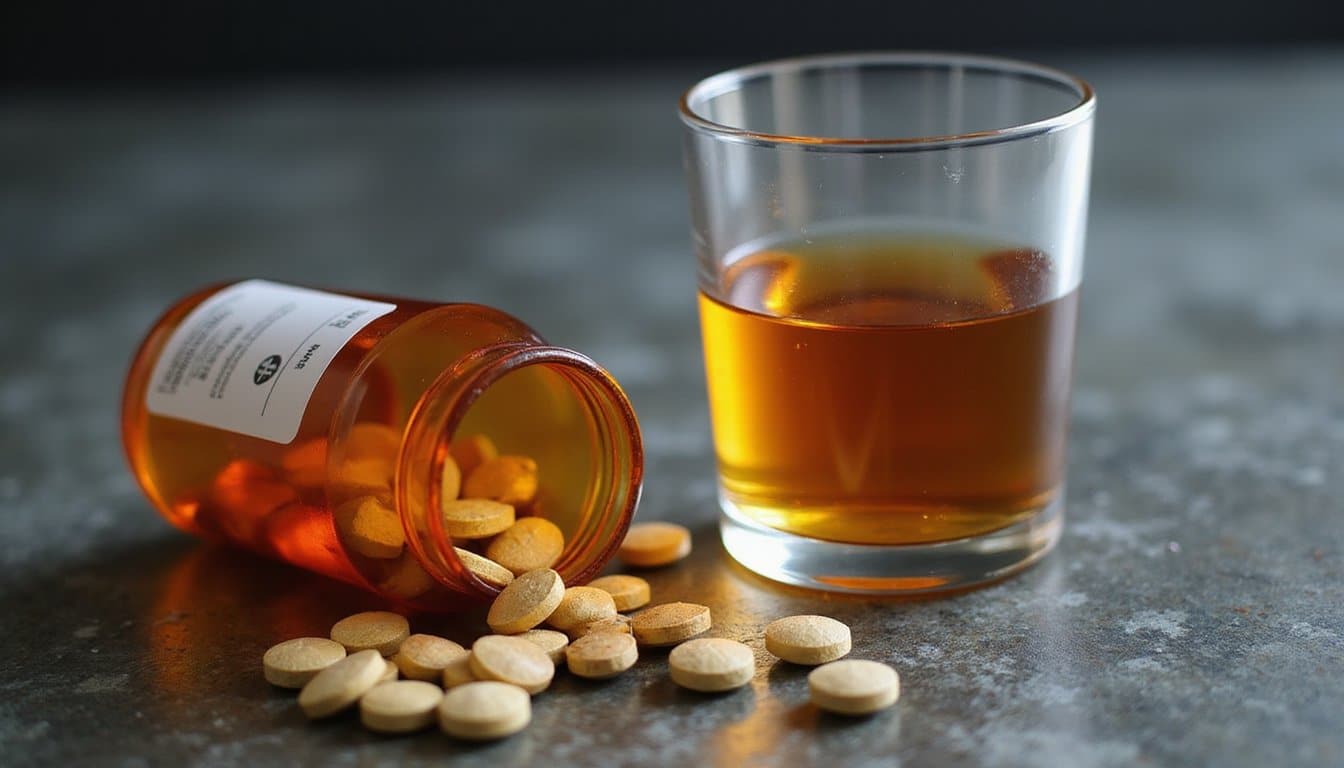
When your child drinks alcohol while taking psychiatric medications, the substances don’t simply coexist, they amplify each other’s effects on the central nervous system in unpredictable ways. Alcohol-benzodiazepine combinations suppress respiration through compounded GABA-A receptor activity, while alcohol mixed with antipsychotics or ADHD stimulants can trigger dangerous heart rate changes and breathing complications. These interactions contribute to 25% of emergency room visits, with 23% of psychotropic medication users reporting serious effects including hospitalization and extreme sedation.
Alcohol Intensifies Medication Effects
Because alcohol affects the same brain systems targeted by psychiatric medications, combining them creates unpredictable and often dangerous interactions. The alcohol and antidepressants risk includes amplified sedation, impaired coordination, and worsened depressive symptoms. Alcohol disrupts serotonin function, directly undermining treatment effectiveness.
When your child combines alcohol with benzodiazepines or opioids, overdose risk combining depressants increases greatly. Both substance classes suppress breathing and heart rate, potentially causing respiratory failure.
Understanding addiction, impulsivity and alcohol connections helps explain why drinking during treatment promotes dangerous decision-making. This heightened impulsivity can derail addiction recovery medication support efforts.
Your role in family health advocacy and addiction awareness matters. Recognizing that alcohol doesn’t mix safely with any psychiatric medication positions you to intervene before dangerous combinations occur. Patterns of substance use in families can often reveal underlying issues that require attention and support. By understanding these dynamics, advocates can develop targeted educational programs to help families establish healthier coping mechanisms. Additionally, creating open dialogues around these patterns encourages members to seek help without stigma.
Dangerous Drug Interaction Risks
Understanding drug interactions becomes critical once you recognize that nearly half of young people taking antidepressants face at least one major interaction risk.
Serotonin syndrome risk increases when SSRIs, TCAs, or MAOIs combine with opioids or tramadol, potentially causing fatal outcomes. MAOI antidepressant interactions can trigger dangerous hypertension, chest pain, and rigid muscles when mixed with certain substances.
Cardiac arrhythmias represent another serious concern. QT interval prolongation occurs when antipsychotics like ziprasidone pair with antidepressants such as fluoxetine or trazodone, approximately 32 percent of young ziprasidone patients also receive contraindicated medications.
Stimulant medication interactions compound these dangers. Cocaine or methamphetamine combined with antidepressants substantially elevates seizure risk and overstimulates cardiovascular function. Amphetamines mixed with certain antidepressants increase blood pressure while boosting amphetamine concentrations in the bloodstream.
Heart and Breathing Dangers
Beyond these drug-to-drug interactions, alcohol introduces its own set of cardiovascular and respiratory dangers that compound medication risks. When your teen combines alcohol with ADHD stimulants, their heart rate and blood pressure spike dangerously. This strain increases heart attack risk, even in young, otherwise healthy individuals.
Substance use and mental health drugs create unpredictable reactions. Alcohol with sedatives slows breathing to dangerous levels, potentially causing respiratory failure. Family safety medication education helps you recognize these warning signs early. Recognizing the behavioral cues of substance use is crucial for intervention and support. These cues may manifest as changes in mood or drastic shifts in daily routines, indicating a potential struggle with addiction. By fostering open communication and awareness, families can create a supportive environment and encourage individuals to seek help.
Addiction to psychotropic drug interactions don’t just affect immediate health, they can trigger addiction relapse and medication failure. You might notice addiction destabilizing medication effectiveness over time. Teens face heightened vulnerability because their developing brains and cardiovascular systems can’t tolerate these combined stressors. Professional evaluation becomes essential when polysubstance use is suspected.
Warning Signs Your Child May Be Mixing Medications or Substances
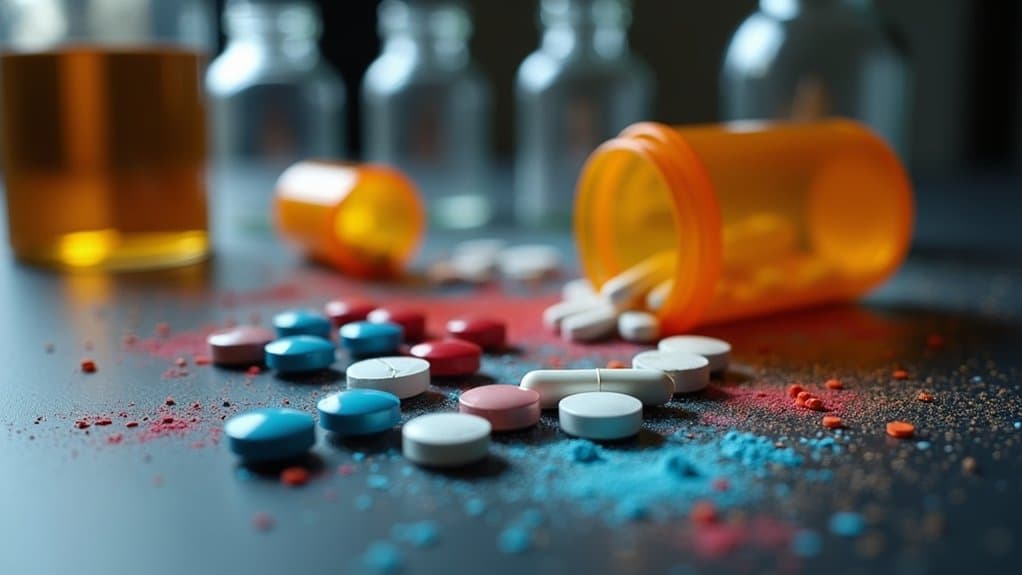
How can you tell if your child’s concerning behavior stems from medication side effects or something more dangerous? Family awareness medication mixing requires understanding specific behavioral health interaction awareness markers that indicate polydrug use rather than therapeutic responses.
Understanding the difference between medication side effects and substance misuse warning signs could save your child’s life.
Watch for these addiction emergency symptoms when mixing drugs:
- Sudden mood shifts, dilated pupils, or coordination problems that don’t match prescribed medication profiles
- Discovery of paraphernalia like pipes, rolling papers, or unfamiliar pill bottles alongside prescribed medications
- Increased secrecy, locked doors, and chemical odors masking substance misuse family vigilance should detect
- Declining grades, memory lapses, and withdrawal from previously enjoyed activities
Prescription adherence risks addiction complications when combined with recreational substances. Don’t dismiss warning signs as normal side effects, they may signal dangerous interactions requiring immediate professional evaluation. The impact of prescription drug misuse in families can extend beyond individual health, affecting relationships and home dynamics. Open communication is essential in addressing these issues and ensuring that family members feel safe to discuss their struggles. By fostering an environment of support, families can work together to navigate the challenges posed by addiction and misuse.
Questions to Ask Prescribers About Drug Interaction Risks
When your child takes psychiatric medications, knowing exactly which drug combinations pose serious risks empowers you to have informed conversations with prescribers. Start by asking specifically about contraindicated combinations, ziprasidone with QT-prolonging drugs can cause fatal heart rhythm abnormalities, while fluoxetine combined with certain antipsychotics triggers serotonin syndrome.
Address behavioral health medication risk directly. Ask your prescriber: “What happens if my child uses cannabis or stimulants with this prescription?” Mixing substances and medication creates dangerous interactions that complicate the complexity of addiction treatment protocols.
Discuss monitoring strategies for prescription misuse addiction scenarios. Request information about addiction medication side effects, confusion, symptoms that mimic treatment side effects may actually indicate substance use. Document which combinations require first-dose monitoring and what warning signs warrant emergency intervention.
How to Monitor Your Child’s Psychiatric Medications
Armed with knowledge about dangerous drug interactions, your next responsibility involves establishing systematic medication monitoring protocols. Effective medication safety requires consistent family involvement throughout your child’s treatment journey.
Your monitoring checklist should include:
- Track essential signs and physical changes, Record blood pressure, heart rate, weight, and growth parameters at each visit to detect early side effects.
- Document behavioral observations, Note mood shifts, involuntary movements, or symptom changes that may indicate medication issues or substance use.
- Maintain appointment consistency, Confirm prescriber visits occur at least every three months, with monthly visits during initial dosing phases.
- Request regular lab work, CBC, liver function tests, and prolactin levels require monitoring every three to six months.
Medication monitoring becomes critical when substance use risks exist, as interactions can mask dangerous complications.
When Substance Use and Mental Health Collide, the Right Support Matters
Understanding the risks of mixing substances with mental health medications is one thing, knowing what to do when it is happening to someone you love is another. At Quest 2 Recovery, our compassionate team specializes in dual diagnosis treatment that addresses both addiction and underlying mental health conditions together, because treating one without the other rarely leads to lasting recovery. Call (855) 783-7888 today and let us help your family find the right path forward.
Frequently Asked Questions
Can My Child Safely Drink Energy Drinks While Taking ADHD Medications?
You shouldn’t let your child drink energy drinks while taking ADHD medications. Both are stimulants that amplify cardiovascular effects, increasing risks of rapid heartbeat, high blood pressure, and potentially dangerous heart arrhythmias. Your child may also experience heightened anxiety, restlessness, sleep problems, and in rare cases, seizures or psychosis. Experts specifically advise against this combination for children and adolescents. Consult your child’s prescribing physician before allowing any caffeine consumption.
Should My Child Avoid Certain Foods While on Psychiatric Medications?
Yes, your child should avoid certain foods depending on their specific medication. MAOIs require strict avoidance of tyramine-rich foods. Grapefruit juice alters how many psychiatric drugs metabolize. Dairy can interfere with some medication absorption, while caffeine intensifies stimulant effects. You’ll want to space meals at least one hour from doses and consult your child’s prescriber or pharmacist before introducing new foods. They can identify interactions specific to your child’s regimen.
How Long After Stopping Medication Can My Child Safely Consume Alcohol?
There’s no universal safe timeframe, it depends on the specific medication’s half-life and your child’s metabolism. Some medications clear within days, while others take weeks. You should consult their prescribing physician before allowing any alcohol consumption. Even after medications leave the system, the brain may remain vulnerable to substance interactions. Don’t assume stopping medication immediately makes alcohol safe; professional guidance protects against dangerous assumptions and potential relapse triggers.
Will Occasional Marijuana Use Show up Differently in Drug Tests While on Antidepressants?
No, antidepressants won’t alter how marijuana appears on standard drug tests. THC detection remains unchanged regardless of psychiatric medications. However, some antidepressants can trigger false positives for other substances, like amphetamines or benzodiazepines, which may complicate results. You should inform the testing facility about all prescribed medications beforehand. More critically, combining marijuana with antidepressants poses genuine health risks, potentially worsening symptoms and undermining treatment effectiveness. Professional guidance is essential.
Can Over-The-Counter Cold Medicines Interact Dangerously With My Child’s Prescriptions?
Yes, over-the-counter cold medicines can interact dangerously with your child’s prescriptions. Dextromethorphan, found in many cough suppressants, causes toxicity when combined with SSRIs or MAOIs. Antihistamines increase sedation when mixed with antidepressants, anxiolytics, or hypnotics. Decongestants combined with tricyclic antidepressants or MAOIs trigger dangerous blood pressure spikes. Always check active ingredients and consult your child’s prescriber before administering any OTC cold medication to prevent potentially serious interactions.