


If a veteran in your family is struggling with PTSD and addiction, the first thing to understand is that substance use usually starts as self-medication, not moral failure. Research shows nearly 1 in 3 veterans seeking addiction treatment also carries a PTSD diagnosis. Families can help by recognizing early warning signs like isolation and mood swings, framing treatment as a strategic decision rather than a weakness, and knowing what to do in a crisis. This guide covers the warning signs, therapies, and family strategies that make recovery possible.
Why Veterans With PTSD Turn to Substance Use
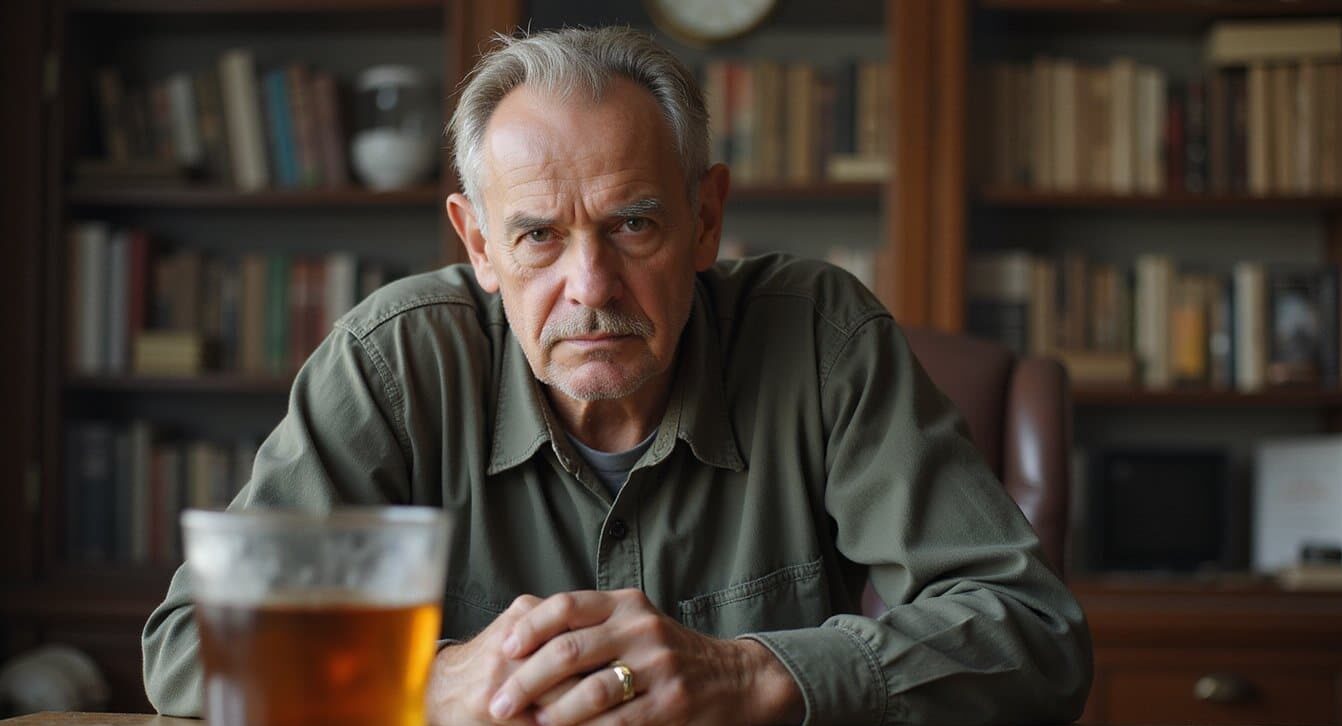
PTSD does not arrive quietly. It brings nightmares, hypervigilance, intrusive memories, and a constant undercurrent of anxiety that makes ordinary life feel like a threat. Drugs and alcohol temporarily numb flashbacks, quiet rage, and suppress guilt, which creates a reinforcing cycle: relief demands repeated use, and repeated use deepens both conditions.
The overlap is well documented: nearly 1 in 3 veterans seeking treatment for a substance use disorder also has PTSD, and most veterans living with both conditions describe a direct link between their trauma symptoms and their use. For families, this reframe matters: self-medication is a conditioned survival response, not weakness, and recognizing it as symptom management changes how you approach every conversation that follows.
What to Do in a Crisis
If a veteran is in immediate danger to themselves or others, call 911. For a suicidal crisis, dialing 988 (then pressing 1) reaches responders trained in military trauma, and family members can make that call too. A crisis call stabilizes the moment, but it does not replace treatment. The follow-through is what changes the trajectory: veteran-focused programs that treat PTSD and addiction together can often verify insurance the same day and admit within days, converting a stabilized moment into actual care before the window closes.
Signs a Veteran May Be Struggling With Addiction
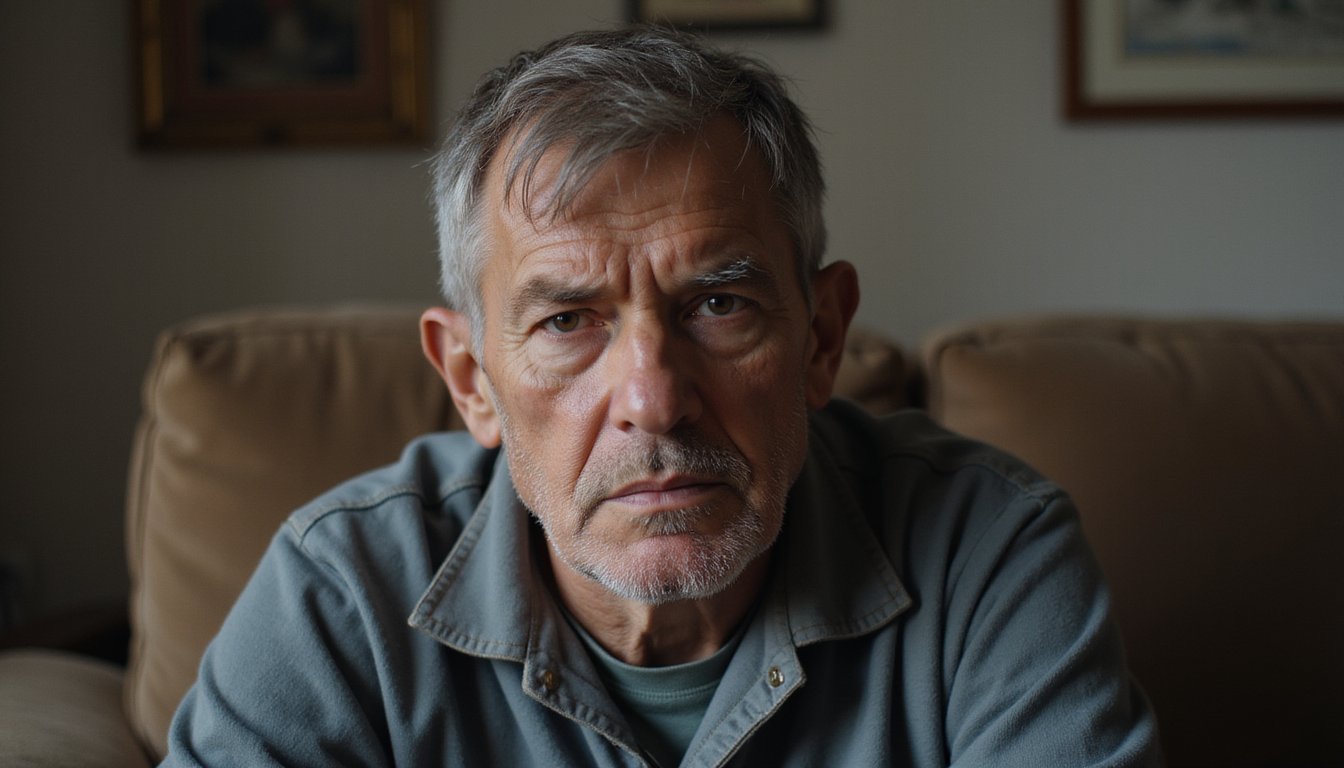
Recognizing addiction in a veteran you love is difficult, not because the signs are absent, but because military culture trains service members to mask vulnerability so effectively that even close family members miss what is happening.
The behavioral warning signs usually come first: mood swings, isolation, secrecy about time and money, disrupted sleep, and neglected responsibilities. Physical indicators follow: bloodshot eyes, tremors, weight changes, and persistent fatigue. The stakes are higher than many families realize. Research has found that veterans face roughly twice the risk of fatal opioid overdose compared to the general population, which makes early recognition critical.
Trust what you are observing, even when the veteran insists everything is fine. Early intervention changes outcomes, and families usually notice the shift months before anyone else does.
Treatment Programs Built Specifically for Veterans
Once the warning signs are clear, the next question becomes urgent: where do you turn for help that actually fits a veteran’s experience? Standard civilian programs often miss the mark because they do not account for military culture, combat trauma, or the specific way those factors drive substance use.
Veteran-specific treatment uses a multidisciplinary approach that combines clinical care, medication management, peer support, and family involvement under one framework. It is built on trauma-informed principles, including safety, trustworthiness, collaboration, and empowerment, which directly counter the powerlessness addiction creates.
The strongest programs integrate evidence-based trauma therapies with medically supervised detox, group counseling, relapse prevention, and reintegration support, treating the PTSD and the addiction in the same plan rather than referring them to separate providers. The goal is not just sobriety. It is restoring function, purpose, and connection.
Therapies That Actually Help PTSD and Addiction

Because PTSD and addiction reinforce each other, treating them separately rarely works. Integrated treatment addresses both at once, and research on integrated approaches shows better outcomes, including more sustained abstinence, than treating the conditions in sequence.
Three trauma therapies carry the strongest evidence and are recommended in leading clinical practice guidelines for PTSD:
- Prolonged Exposure (PE): the veteran repeatedly revisits the trauma narrative in a controlled way until its distress diminishes. Integrated protocols that combine exposure work with addiction treatment, such as COPE, show better PTSD outcomes than addiction treatment alone.
- Cognitive Processing Therapy (CPT): restructures the stuck thought patterns trauma creates, such as guilt and self-blame, changing the emotional responses that drive use.
- EMDR: reprocesses traumatic memories using guided bilateral stimulation, reducing their emotional grip, with effectiveness comparable to trauma-focused CBT approaches.
In practice these are combined with relapse prevention, medication-assisted treatment where appropriate, and a trauma-informed care framework, so the veteran is never asked to get sober first and deal with the trauma later.
Peer Support Groups Where Veterans Help Veterans
Clinical therapies address the roots of PTSD and addiction, but they do not replicate the thing many veterans miss most after leaving service: the bond of people who carried the same weight. Peer support groups fill that gap. Led by fellow veterans, these small groups meet in judgment-free settings to share coping strategies, normalize PTSD experiences, and rebuild the camaraderie military life once provided.
Organizations like Wounded Warrior Project, the PTSD Foundation of America, and Team RWB run structured peer programs nationwide, and local VFW posts and veteran-specific recovery meetings add options close to home. These groups reduce isolation, lower relapse risk, and increase treatment engagement, giving the veteran accountability rooted in mutual respect rather than clinical obligation. They work best layered around formal treatment, not in place of it.
How to Talk to a Veteran About Getting Help
Peer groups and treatment programs only help if someone gets the veteran there, and that conversation usually falls to family. Start with care, not correction: “I’ve noticed you’re going through a lot, and I want to help” lands better than directives that trigger defensiveness.
Recognize that resistance is not stubbornness. It is conditioned self-reliance colliding with the perceived threat of appearing weak. Framing help as a mission-oriented step, the same calculated move toward an objective that military training reinforces, often unlocks more than emotional appeals do.
Offer specific options rather than open-ended pressure: a program experienced with veterans, a peer group of fellow service members, or practical help with the logistics. Concrete choices reduce overwhelm.
How Families Can Support a Veteran’s Recovery
A family’s role starts with understanding the pressures of military culture and combat trauma, and how addiction intersects with both. Combine that knowledge with consistent encouragement toward professional treatment and daily patience, and you give the veteran both a reason to take the next step and a stable environment to recover in.
Learn About Their Struggles
Military culture teaches service members to suppress vulnerability and push through pain, and that resistance to talking often extends to the people closest to them. You cannot support what you do not understand.
Educate yourself on how PTSD and substance use disorders interact: they reinforce each other, creating cycles that rarely break without targeted intervention. Attend family support groups like Al-Anon or Nar-Anon for your own grounding and peer guidance. Participate in family therapy when offered, since the relational dynamics are part of the recovery, not a side issue. Learn the early behavioral changes that signal escalation, so you respond with precision rather than panic.
Encourage Professional Treatment
One of the most useful reframes a family can offer: professional treatment is a strategic decision, the same kind of calculated move toward a clear objective that military training drilled in. Acknowledging the problem and attacking it with the best available resources demonstrates strength, not weakness.
Guide the veteran toward programs that integrate substance use and PTSD care in one plan, since split care is where veterans most often fall through the cracks. Then reduce the logistical barriers that stall recovery before it begins: research the options yourself so details are ready, drive them to assessments, help track medications, and attend family sessions when invited.
Early intervention matters. The longer PTSD and addiction go untreated, the deeper they entrench, and the harder the family environment becomes for everyone, including children.
Practice Patience Daily
Even after a veteran agrees to treatment, the real work at home is just beginning. Recovery is not linear. Expect setbacks, emotional withdrawal, and days that feel like regression. These are not failures. They are normal parts of a gradual process shaped by deep trauma.
Respond calmly when irritability surfaces, and remember that difficult behaviors stem from trauma and early recovery, not from feelings about you. Resist the urge to fix or offer unsolicited advice. Listen without judgment, and use invitations like “Can you say more?” rather than interrogation.
Build predictability into daily life. Consistent routines, including regular mealtimes, evening wind-down rituals, and advance notice before social events, reduce anxiety and create security. Acknowledge small victories, and offer steady presence. Patience is not passive. It is one of the most active forms of support a family provides.
Help Your Loved One Find Their Way Back
Watching a veteran you love struggle with PTSD and addiction is painful, but the right team can guide them toward lasting recovery. At Quest 2 Recovery in Quartz Hill, CA, our Veterans & Military Support program treats addiction and PTSD together through dual diagnosis residential care. Call (855) 783-7888 today and begin a healthier chapter.
Frequently Asked Questions
Can a Family Member Arrange Treatment on Behalf of a Veteran?
Not without their consent. An adult must agree to their own treatment, so families cannot enroll a veteran in care directly. What families can do is clear every other barrier: research programs in advance, verify insurance, gather documents, and handle the logistics so that when the veteran says yes, the path is already open. If the veteran keeps refusing, professional intervention services can structure the conversation so it lands as support rather than confrontation.
Will Insurance Cover Private Veteran-Specific Addiction Treatment?
In most cases, yes. TRICARE and many PPO plans cover residential treatment, detox, medication-assisted treatment, and dual diagnosis care at private programs. Veterans enrolled in VA health care may also qualify for community care referrals that pay for approved private treatment when their needs cannot be met otherwise. The fastest way to get a clear answer is to have the program’s admissions team verify benefits directly, which typically takes a single call.
How Can Families Participate in a Veteran’s Therapy Without Overstepping Boundaries?
Participate when invited, and respect the structure. Attend family therapy sessions, listen without advising or problem-solving, and let the veteran set the pace on what gets shared. Programs that involve families typically include them in treatment planning, communication work, and relapse prevention, with a release of information defining what the team can share with you. You strengthen trust by setting boundaries together and staying consistently present, not just during crises. Supporting recovery does not mean directing it. It means creating emotional safety while honoring the veteran’s autonomy.
What Does Successful Long-Term Reintegration After Residential Treatment Look Like?
It looks like sustainable daily structure: ongoing therapy, participation in peer or support groups, steady routines, and gradually reclaimed independence. You will see the veteran managing stress without substances, keeping commitments, and rebuilding relationships, often through continued family therapy. It is not a single milestone but an evolving process in which the veteran stays connected to outpatient care, an aftercare plan, and peer networks while rebuilding purpose through work, education, or service to other veterans.