

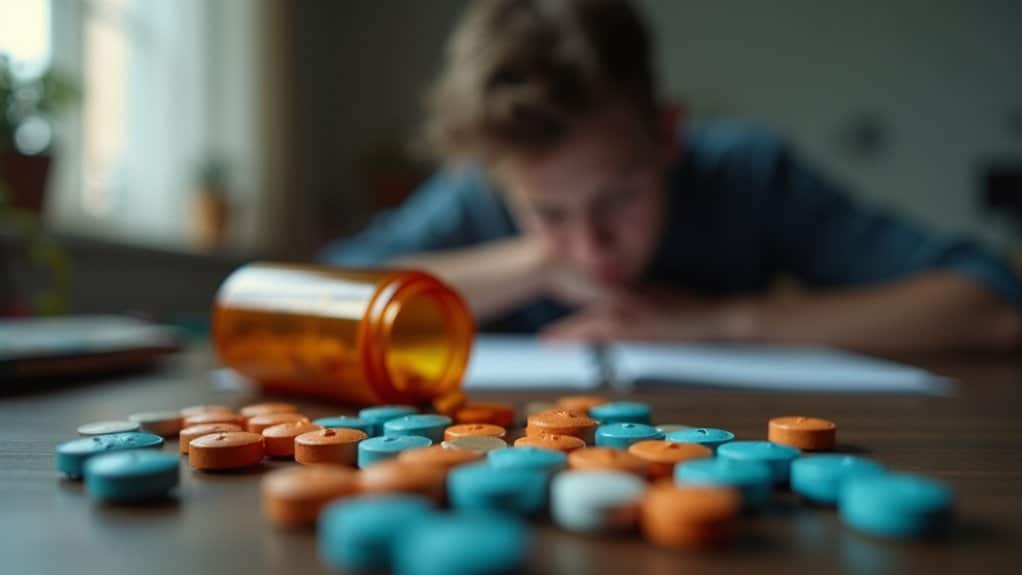

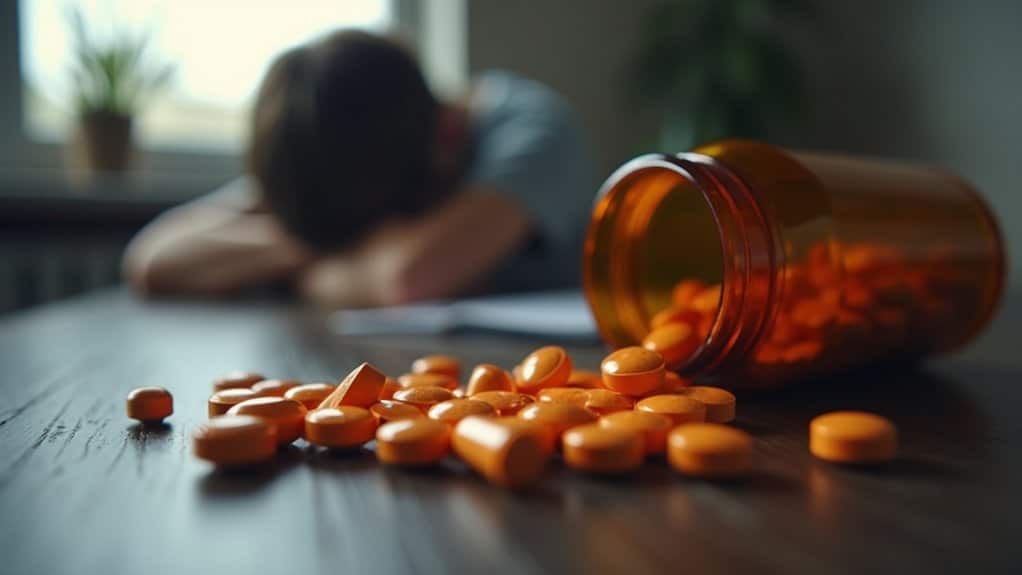

If you’re aching after drinking, blame dehydration, electrolyte loss, inflammation, and acetaldehyde, alcohol’s toxic byproduct, all working against your muscles. Alcohol suppresses vasopressin, so you urinate more and lose sodium, potassium, and magnesium, impairing muscle function. Fragmented sleep worsens fatigue and soreness. For mild, short-lived aches, you can hydrate, rest, and try gentle movement. But some pain signals a more serious problem. Knowing how to tell them apart makes all the difference.
Key Takeaways
- Alcohol suppresses vasopressin, increasing urination and causing dehydration that disrupts electrolyte balance and impairs muscle function.
- Acetaldehyde, a toxic metabolite, and alcohol-driven inflammation add stress across the body, producing widespread aching and fatigue.
- Fragmented sleep from drinking worsens soreness, malaise, and flu-like discomfort during a hangover.
- Rehydrate with water and electrolyte drinks, prioritize rest, and try gentle stretching or anti-inflammatory foods to ease mild aches.
- Seek medical evaluation for dark urine, severe or prolonged pain, significant weakness, or swelling, which may signal muscle injury.
Why Do Body Aches Happen After Drinking Alcohol and What Can Help
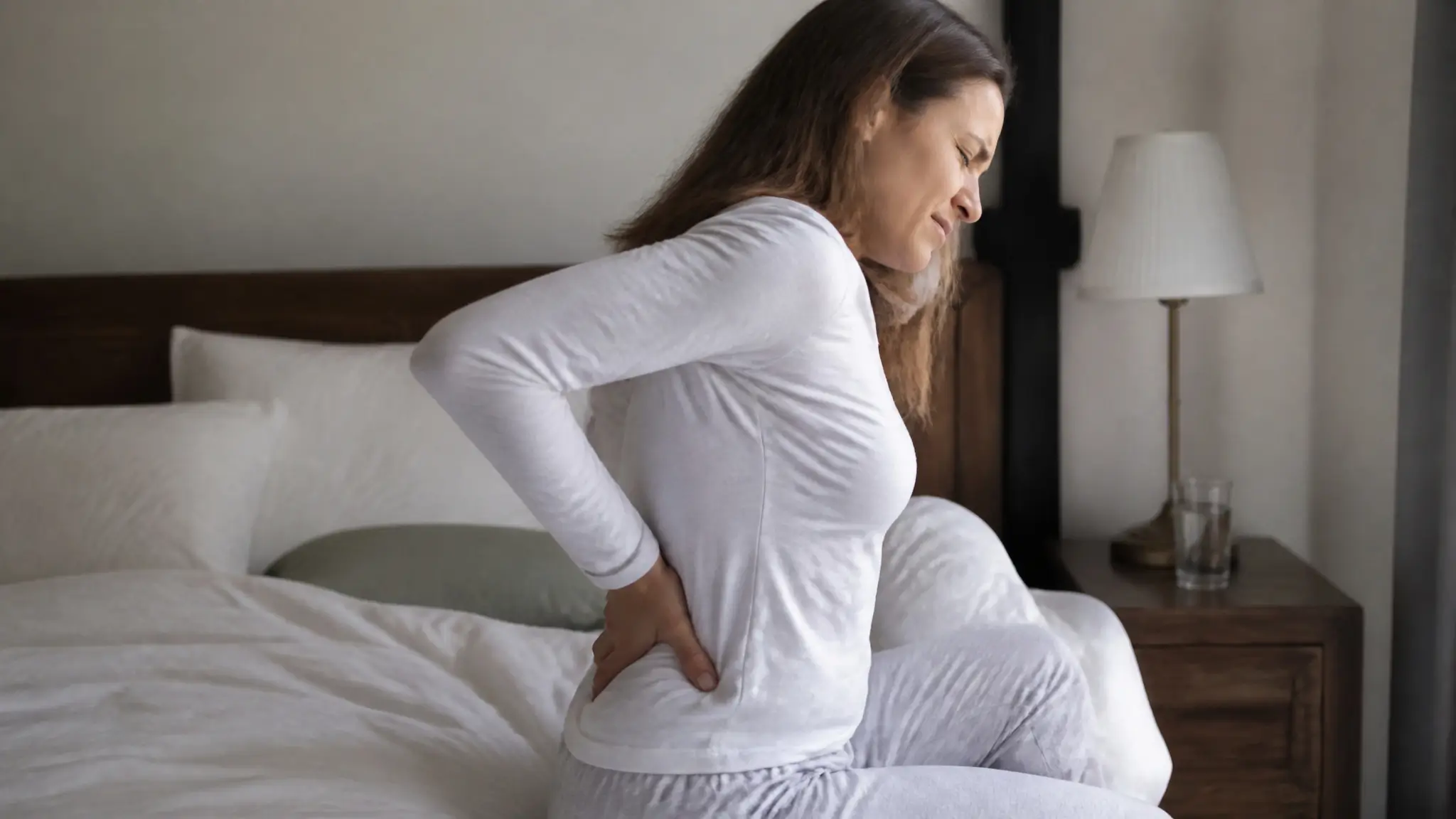
Body aches after drinking stem from several overlapping mechanisms. Alcohol suppresses vasopressin, increasing urination and leaving you mildly dehydrated, which disturbs sodium, potassium, and magnesium balance and impairs muscle function. Alcohol also drives inflammation, and acetaldehyde, a toxic metabolite, adds inflammatory stress across multiple organs. Fragmented sleep worsens fatigue and soreness. Together, these factors explain why your body feels sore after drinking, and why body pain after drinking alcohol isn’t caused by dehydration alone.
To recover, hydrate first, using water plus electrolyte-containing drinks to restore fluid balance. Gentle movement eases stiffness, anti-inflammatory foods support recovery, and adequate rest counters sleep disruption. If pain is severe or persistent, seek medical evaluation to rule out muscle injury.
What Does Whole-Body Soreness After Drinking Usually Include
Whole-body soreness after drinking usually includes muscle aches, weakness, and fatigue as part of a hangover syndrome. You’ll often notice a headache, along with heightened sensitivity to light and sound. Dehydration adds thirst and worsens the aching, while fragmented sleep leaves you feeling more sore and drained the next day. Inflammation contributes malaise and flu-like discomfort throughout your body. In some cases, the soreness reflects direct muscle injury, so you might feel tenderness, cramps, or swelling in affected muscles. Watch for warning signs that go beyond a routine hangover: severe pain, marked weakness, dark urine, or noticeable swelling can signal acute alcoholic myopathy and warrant prompt medical evaluation.
How Do Aching Soreness Tenderness and Cramping Feel Different
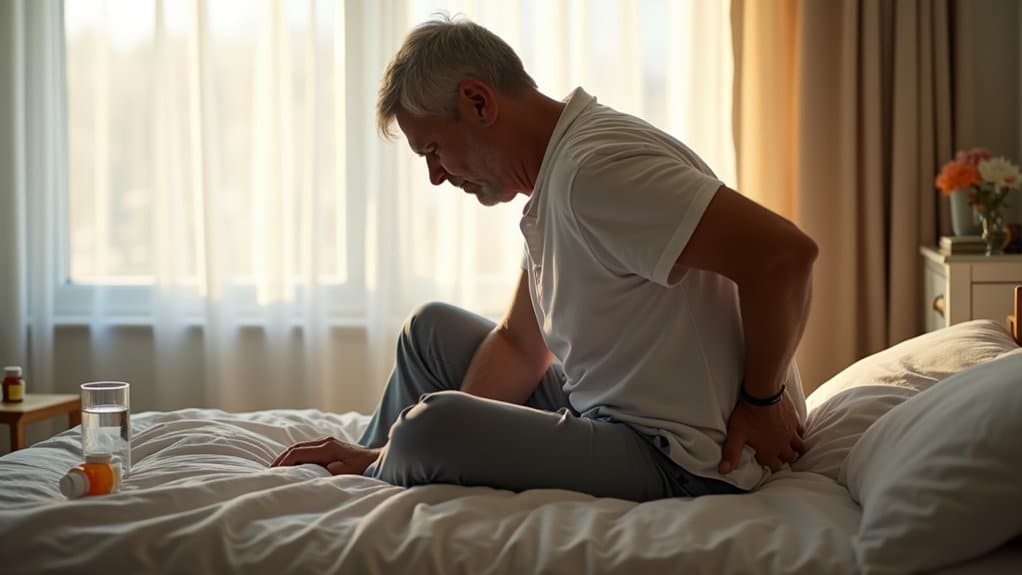
Aching, soreness, tenderness, and cramping each feel different because each one signals a distinct process in your muscles after drinking. Aching feels dull and widespread, often tied to inflammation and dehydration. Soreness feels like tenderness during movement, reflecting muscle stress from ethanol and acetaldehyde. Tenderness shows up when you press on a muscle and it hurts, pointing toward possible acute alcoholic myopathy. Cramping feels sharp and sudden, linked to electrolyte loss affecting muscle function.
| Sensation | What You Feel |
|---|---|
| Aching | Dull, spread-out discomfort |
| Soreness | Pain triggered by movement |
| Tenderness | Pain when pressing muscle |
| Cramping | Sudden, sharp tightening |
Recognizing these differences matters. Marked tenderness, swelling, or severe cramping can indicate muscle injury requiring evaluation, not just a routine hangover.
What Self-Care Can Help Mild Short-Lived Body Aches After Drinking
Hydration, rest, gentle movement, and anti-inflammatory foods can ease mild, short-lived body aches after drinking. Start with hydration, since alcohol suppresses vasopressin and increases fluid loss. Drink water plus an electrolyte-containing beverage to restore sodium, potassium, and magnesium balance, which supports muscle function. Hydrating before bed and again after waking helps counter overnight fluid depletion.
Prioritize rest and sleep, because alcohol fragments sleep and worsens fatigue and soreness. Gentle movement, like light stretching or walking, can reduce stiffness and support recovery. Anti-inflammatory foods may help, since alcohol drives inflammatory activity that contributes to aches.
These measures address the main mechanisms behind hangover-related muscle discomfort. If your aches stay mild and resolve within a day, self-care is usually enough to see you through recovery.
Which Over-the-Counter Pain Medicines Need Extra Caution Around Alcohol
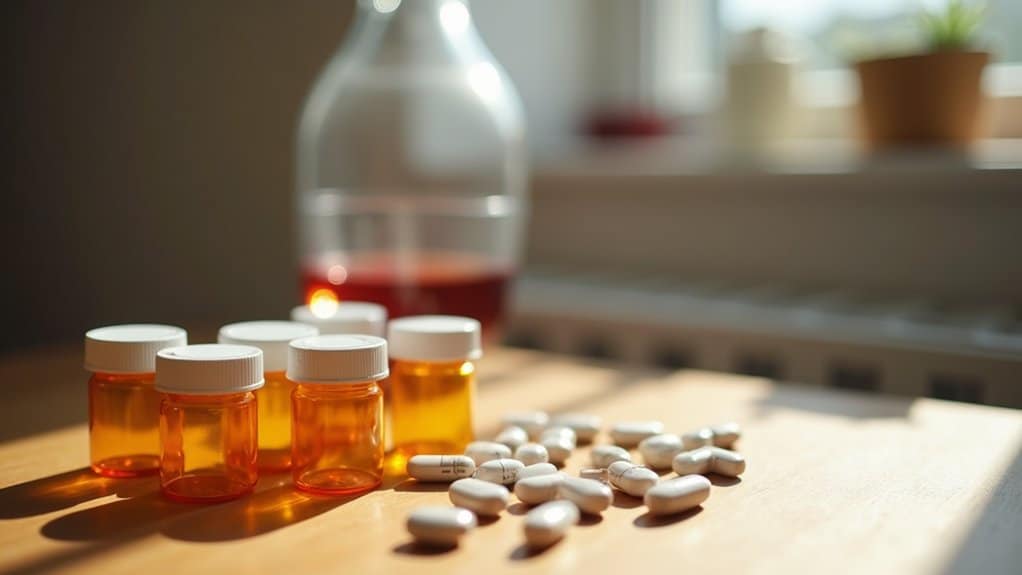
Acetaminophen and NSAIDs, including ibuprofen, naproxen, and aspirin, are the over-the-counter pain medicines that need extra caution around alcohol. Alcohol and certain over-the-counter medicines share metabolic pathways or amplify each other’s toxic effects, so timing and drug choice matter.
- Acetaminophen: Combined with alcohol, it strains the liver, because both increase toxic metabolite formation and raise the risk of liver injury.
- NSAIDs (ibuprofen, naproxen, aspirin): Paired with alcohol, they irritate the gut lining and increase the risk of gastrointestinal bleeding.
- Timing: Waiting until alcohol clears your system reduces overlapping toxic stress on the liver and stomach.
- Dosing: Sticking to labeled doses matters, since exceeding limits compounds organ damage.
When aches are severe or persistent, seek medical evaluation instead.
What Details About Timing Location and Severity Help Narrow Down the Cause
Details about timing, location, and severity help narrow down the cause by giving you and your clinician the clues needed to separate a routine hangover from a more serious muscle injury. Timing matters: diffuse aches that appear during a hangover and fade within a day usually reflect dehydration and inflammation. Pain that develops over hours to days and lingers points toward acute alcoholic myopathy. Location narrows it further. Generalized soreness suggests systemic effects, while pain, tenderness, and swelling localized to specific muscles suggest direct muscle toxicity. Severity guides urgency. Mild, self-limiting aches respond to hydration and rest. Intense pain, marked weakness, cramps, swelling, or dark urine signals possible rhabdomyolysis and demands prompt medical evaluation, since delayed treatment risks kidney damage and complications.
When Should Body Pain After Drinking Be Medically Evaluated
Body pain after drinking should be medically evaluated when it crosses the line from routine discomfort to warning sign. Most hangover-related aches ease with hydration and rest, but certain features signal muscle injury that needs prompt evaluation. Severe pain, marked weakness, swelling, or cramps can point to acute alcoholic myopathy rather than a routine hangover. Rhabdomyolysis, a serious muscle injury, can develop even after short-term alcohol exposure and demands urgent care.
Seek medical evaluation when you notice:
- Dark or cola-colored urine, which may indicate muscle breakdown
- Intense or prolonged pain that doesn’t improve with rest
- Significant weakness limiting normal movement
- Visible swelling or tenderness in affected muscles
Recurrent aches after drinking also warrant assessment, since they can reflect repeated muscle toxicity.
When Self-Care Isn’t Enough Anymore
Hydration and rest can ease an occasional ache, but recurring body pain after drinking, especially with weakness, swelling, or dark urine, points to something self-care can’t fix. Quest 2 Recovery provides medically supervised detox and inpatient care that safely addresses the alcohol use behind repeated symptoms. Verify your insurance or call (855) 783-7888 today for a confidential conversation about whether it’s time to reach out.
Frequently Asked Questions
Can Drinking Less Alcohol Prevent Body Aches Entirely?
Drinking less won’t guarantee you’ll avoid body aches entirely, but it lowers your risk considerably. Smaller amounts mean less dehydration, reduced inflammation, and lower acetaldehyde buildup, all key drivers of soreness. Still, even moderate intake can trigger aches in some people, depending on your sensitivity, hydration, and sleep. If you want to eliminate alcohol-related aches completely, abstinence is your only reliable option, especially if you’re experiencing recurring muscle symptoms.
Do Certain Types of Alcohol Cause More Aches Than Others?
You won’t find strong evidence that specific alcohol types cause more aches than others. What drives your symptoms is the ethanol dose and how much you drink, not the beverage itself. Since alcohol suppresses vasopressin and generates acetaldehyde regardless of source, dehydration and inflammation follow any heavy drinking. Congeners in darker drinks may worsen your overall hangover severity, but they don’t specifically target muscle. Total intake matters most.
Does Age Affect How Badly Alcohol Causes Body Aches?
Yes, age can worsen how badly you feel these aches. As you get older, your body handles alcohol less efficiently, you clear acetaldehyde more slowly, dehydrate more easily, and lose muscle mass that buffers toxic stress. Your sleep also fragments more with age, amplifying fatigue and soreness. You’re more vulnerable to alcohol-related muscle injury too, so you’ll likely notice stronger, longer-lasting body aches after drinking the same amount you once tolerated.
Can Regular Exercise Reduce Alcohol-Related Muscle Soreness Over Time?
Regular exercise won’t directly prevent alcohol-related muscle soreness, since ethanol and acetaldehyde cause direct muscle toxicity regardless of your fitness. You can’t out-train that damage. However, staying active supports overall muscle health, circulation, and recovery, and gentle movement may ease stiffness after drinking. The most effective way to reduce recurrent muscle aches and prevent alcoholic myopathy is cutting back or abstaining from alcohol, not increasing your workouts.
Are Some People Genetically More Prone to Alcohol Body Aches?
Yes, your genetics can make you more prone to alcohol-related body aches. If you carry gene variants that slow acetaldehyde breakdown, you’ll accumulate more of this toxic metabolite, which drives inflammation and tissue stress. You might notice this as facial flushing after drinking. Your individual differences in inflammatory signaling and muscle vulnerability also matter. These inherited factors can amplify how your muscles respond to ethanol and its harmful byproducts.