

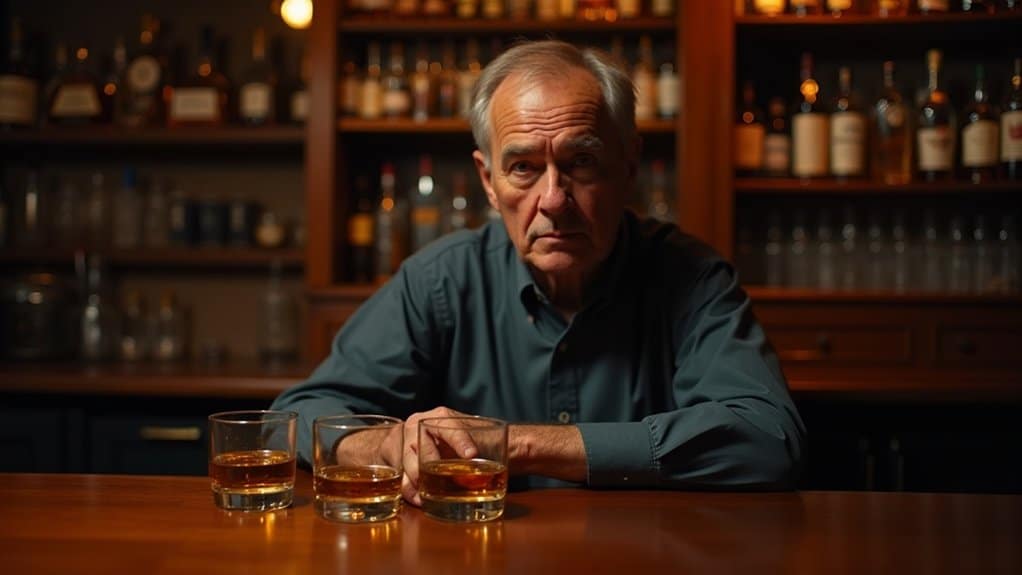
Your alcohol tolerance usually drops suddenly because your drinking conditions or health have changed, not because of aging alone. If you’re drinking less often, you lose acquired tolerance. Smaller meals, a faster pace, poor sleep, or dehydration can make the same drink hit harder. New medications, especially sedating ones, can amplify alcohol’s effects. Liver disease or diabetes can also intensify reactions. Below, you’ll learn which changes matter most and which symptoms need urgent medical care.
Key Takeaways
- Drinking less often, eating smaller meals, drinking faster, or poor sleep and dehydration can suddenly make the same amount feel stronger.
- New prescriptions, dose changes, or over-the-counter medicines, especially sedating drugs, can intensify alcohol’s effects and increase drowsiness and dizziness.
- Liver disease can impair alcohol processing, making a usual drink feel stronger, so changed sensitivity warrants discussion with a clinician.
- Alcohol interferes with liver glucose production, and empty-stomach drinking or diabetes medicines can cause low blood sugar that mimics heavier intoxication.
- Aging lowers tolerance gradually, so an abrupt change should prompt review of recent changes, and breathing problems or collapse need emergency care.
Why has my alcohol tolerance gone down

Your alcohol tolerance has likely gone down because your drinking conditions have changed, not because of aging alone. Drinking less often reduces acquired tolerance, so the same amount feels stronger and can leave you lightheaded, drowsy, or unsteady. A smaller meal, faster pace, poor sleep, dehydration, or a stronger pour can raise your effective dose. A sudden decrease in alcohol tolerance may also signal a new medicine, dose change, or health condition, such as liver disease or diabetes treatment, that changes how alcohol affects you. Don’t rely on past limits. If reduced alcohol tolerance appears abruptly, pause drinking and review your medicines and symptoms with a pharmacist or clinician. Never drive after drinking alcohol.
What health conditions can lower tolerance
Liver disease, diabetes, any new or worsening illness, and asthma, hay fever, or food allergies can all lower your tolerance and make the same drink hit harder. Liver disease can impair how your body processes alcohol, so you shouldn’t test your limits; discuss new symptoms with a clinician instead. If you have diabetes, alcohol and your medicines can contribute to low blood sugar, particularly on an empty stomach, because alcohol interferes with your liver’s glucose production. Any new or worsening illness, or its treatment, can intensify side effects that mimic heavier intoxication. Asthma, hay fever, or food allergies may raise your risk of reacting to sulfites, histamine, or grains in drinks. If you notice your alcohol tolerance going down, don’t blame aging automatically. A sudden low alcohol tolerance merits medical review, and fainting, breathing difficulty, or severe confusion requires urgent care.
How does aging reduce tolerance

Aging reduces tolerance through changes in body composition, hydration, and general health, which can make an identical amount of alcohol feel more intoxicating. You’re also more likely to take prescription or over-the-counter medicines, and physiological changes raise your risk of alcohol-medicine interactions. Sedating drugs combined with alcohol can increase drowsiness, dizziness, impaired coordination, and falls.
Aging usually works gradually, though. If your sensitivity changed suddenly, don’t assume age is the cause. Review recent changes: a new prescription or dose, a smaller meal, faster drinking, poor sleep, or less fluid. A new or worsening health condition may be involved.
Don’t rely on past tolerance to judge what’s safe now. Pause drinking and have a pharmacist review your medicines.
How do liver changes affect it
Changes in your liver can alter how alcohol affects you, because your liver breaks down most of the alcohol you drink. Liver disease can affect how your body processes alcohol, so the same drink may feel stronger than it once did.
Alcohol also interferes with your liver’s glucose production. If you drink on an empty stomach, your blood sugar can fall, causing symptoms that mimic heavier intoxication. This risk rises if you also take certain diabetes medicines.
Don’t test your tolerance to see what’s changed. Instead, talk with a clinician about any new alcohol-related symptoms. They can assess your liver and review your medicines. Pause drinking until then. Seek urgent care if you faint, struggle to breathe, become severely confused, or can’t stop vomiting.
Can medications cause a sudden drop
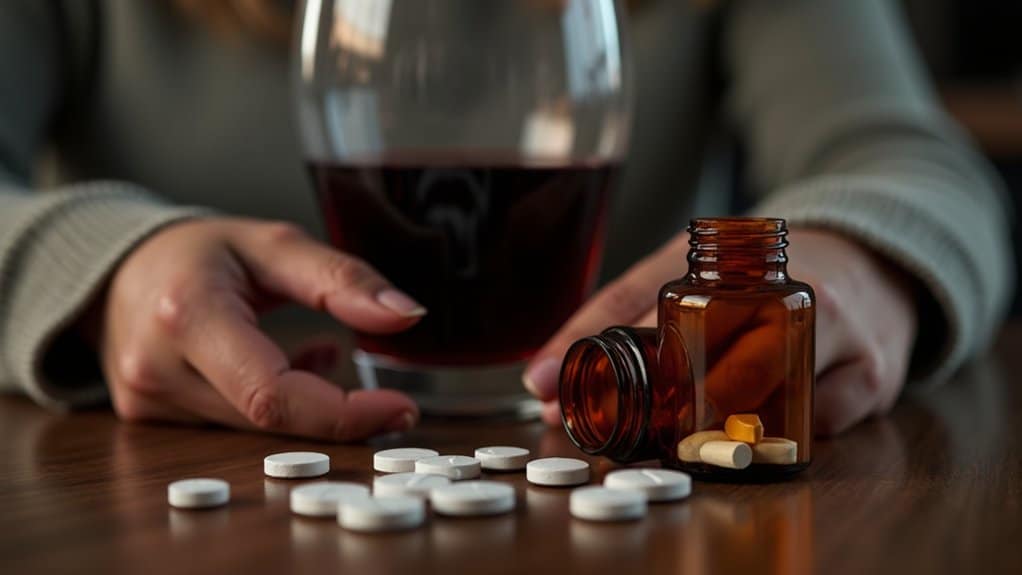
Yes, a new prescription, dose change, or over-the-counter medicine can make the same amount of alcohol feel stronger or different. Sedating drugs, including sleep aids, anxiety medicines, and some antihistamines, add to alcohol’s effects, increasing drowsiness, dizziness, impaired coordination, and fall risk. Opioids, sleep medicines, and anxiety medicines combined with alcohol can dangerously suppress your breathing. If you take diabetes medicines, alcohol may contribute to low blood sugar, which can resemble intoxication. Don’t assume spacing doses apart protects you. Some interactions occur even when you take alcohol and medicine at different times. Check your prescription labels, and ask a pharmacist or clinician about every medicine and supplement you use before drinking. Call emergency services for slow or difficult breathing, collapse, or inability to wake.
When is a sudden drop a medical concern
A sudden drop in tolerance is a medical concern when it repeats, appears without an obvious explanation, or brings symptoms that are new, severe, or worsening. A new or worsening health condition, including liver disease or diabetes, can change how your body handles alcohol, so don’t try to test your limits. If you take diabetes medicines, alcohol can push your blood sugar dangerously low, especially when you drink on an empty stomach. Pause drinking and see a clinician if reactions keep recurring.
Call emergency services if you or someone else has slow or difficult breathing, fainting, collapse, severe confusion, persistent vomiting, or can’t wake up. Alcohol combined with opioids, sleep medicines, or anxiety medicines can dangerously suppress breathing and quickly become life-threatening. Don’t wait.
What causes tolerance to rise versus fall
Most shifts in tolerance, outside of illness and emergencies, come down to how often and under what conditions you drink. Frequent drinking builds acquired tolerance. Cutting back reduces it, so a familiar amount can hit harder.
| Factor | Raises perceived tolerance | Lowers perceived tolerance |
|---|---|---|
| Drinking frequency | Regular, repeated drinking | Drinking less often |
| Food and fluids | Full meal, good hydration | Empty stomach, low fluid intake |
| Dose and pace | Smaller pours, slower sipping | Stronger drinks, larger pours, faster pace |
Higher tolerance isn’t protective. It means you’re consuming more alcohol before noticing effects. Don’t use a past tolerance level to judge what’s safe now, and don’t drive after drinking. If conditions haven’t changed but your response has, review medicines and health changes promptly with a pharmacist or clinician.
How does Quest 2 Recovery help you read the warning signs
Quest 2 Recovery helps you read the warning signs through a structured review that separates harmless explanations from real concerns when your response to alcohol changes without an obvious cause. We’ll help you compare recent drinking with past occasions, including amount, pace, meal timing, sleep, and hydration. We’ll also help you list every prescription, over-the-counter medicine, and supplement you take, since some interact with alcohol even when you take them hours apart.
You’ll learn to record each drink, its timing, food, medicines, and symptoms so patterns become visible. If you’re noticing flushing, dizziness, or confusion, we’ll encourage you to pause drinking and see a clinician. Don’t rely on past tolerance to judge how much is safe now. Call emergency services for slow breathing, collapse, inability to wake, or severe confusion.
Getting Drunk Faster Than You Used To Can Be a Warning
When the same drinks suddenly hit harder, it’s often a changed condition, a new medication, or an empty stomach. But in a long-term heavy drinker, a falling tolerance can also signal a struggling liver. That’s worth taking seriously. If drinking is behind it, Quest 2 Recovery offers inpatient rehab that treats the alcohol use at the root. Verify your insurance or call (855) 783-7888 for a confidential conversation about recovery.
Frequently Asked Questions
Is a Sudden Reaction to Alcohol the Same as an Alcohol Allergy?
No, a sudden reaction isn’t the same as an alcohol allergy. Alcohol intolerance, usually genetic, means your body doesn’t break down alcohol efficiently, causing flushing or nausea soon after drinking. You might instead react to sulfites, histamine, or grains, especially if you have asthma or food allergies. New medicines or health changes can also mimic this. Pause drinking, track symptoms, and see a clinician. Seek emergency care for breathing difficulty.
Can Sulfites or Histamine in Wine Trigger Stronger Reactions to Drinking?
Yes, sulfites, histamine, and other wine ingredients can trigger reactions in some people, and you might mistake those symptoms for lowered tolerance. You’re more likely to react if you have asthma, hay fever, or food allergies. Symptoms like flushing or nausea that follow a specific drink warrant assessment. Record what you drank, when, and how you felt, then consult a clinician. Seek urgent care for breathing difficulty, fainting, or collapse.
Why Do I Feel More Drunk After Drinking on an Empty Stomach?
Without food, alcohol passes quickly from your stomach into your small intestine, where it’s absorbed fastest, so your blood alcohol rises sooner and higher. Drinking on an empty stomach can also lower your blood sugar because alcohol interferes with your liver’s glucose production, adding shakiness or lightheadedness. If you take diabetes or sedating medicines, the risk climbs. Eat beforehand, pace yourself, and don’t drive after drinking. Seek care for fainting.
Can Switching to a Different Drink Make the Same Amount Feel Stronger?
Yes. A different drink can deliver more alcohol than you expect, because its alcohol content or pour size may be higher, even when you’re counting the same number of drinks. Ingredients like sulfites, histamine, or grains can also trigger reactions, especially if you have asthma, hay fever, or food allergies. Don’t rely on past tolerance. Record what you drank and your symptoms, and seek medical advice for new or persistent reactions.
What Details Should I Record After Drinking to Identify Reaction Patterns?
Record the drink type, its alcohol content, and pour size, plus how much you drank and how quickly. Note when you last ate, how you slept, and how much water you’d had. List every prescription, nonprescription medicine, and supplement you’ve taken, including dose changes. Then log symptoms and onset timing. Share this record with a pharmacist or clinician, and call emergency services for slow or difficult breathing, collapse, or severe confusion.