

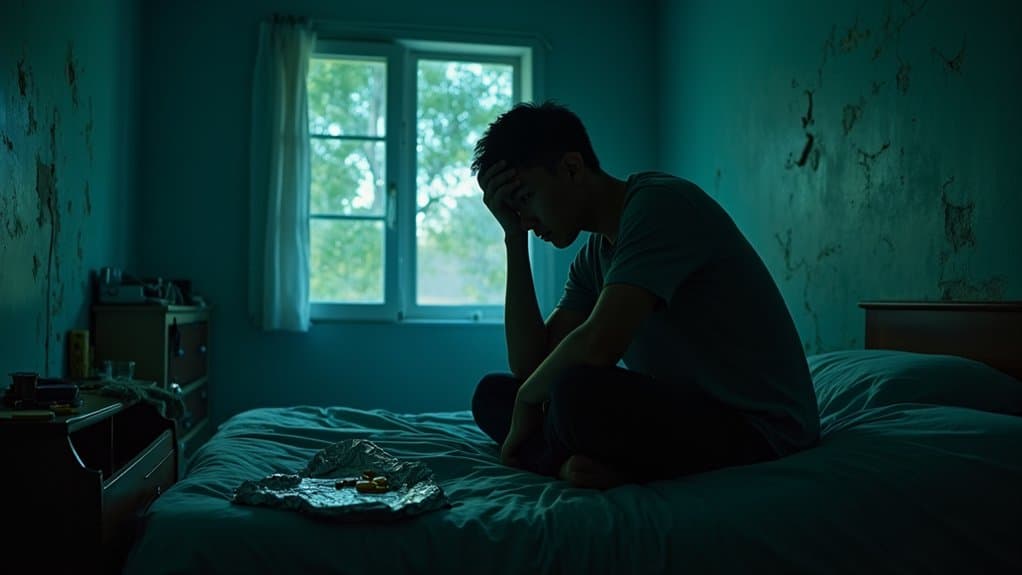
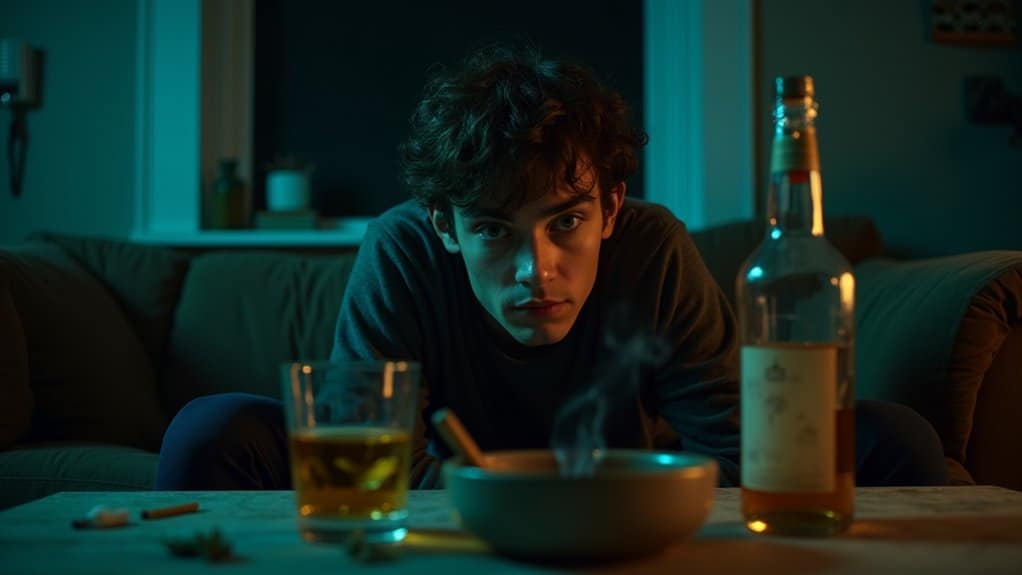
Hangxiety usually starts the morning after you drink and peaks as your blood alcohol level returns to zero. For most people, it eases within about 24 hours. How long yours lasts depends on how much you drank, your body size, and your liver health. If anxiety persists for days, it may not be a hangover. It could signal alcohol withdrawal or another mental-health concern. Understanding why it lingers can help you recognize when to seek support.
Key Takeaways
- Hangxiety typically starts the morning after drinking, peaks when blood alcohol returns to zero, and eases within about 24 hours.
- Exact duration varies by person, depending on how much alcohol was consumed, body size, and liver health.
- Poor sleep, physical hangover symptoms, and worry about the previous night can intensify and prolong hangxiety.
- Anxiety lasting several days may signal alcohol withdrawal, which can peak within 24, 72 hours and last 3, 7 days.
- Time is the main remedy, while drinking again to calm nerves can stretch anxiety across multiple days.
How long does hangxiety last
For most people, hangxiety peaks the day after drinking, often as your blood alcohol level returns to zero, and eases within about 24 hours. Still, there’s no universal answer to how long hangxiety lasts. The amount you drank, your body size, and your liver health all influence the timeline.
When does it usually start and peak
For most people, hangxiety starts the morning after drinking, as alcohol’s effects begin to wear off, and is typically strongest the next day. As your blood alcohol level returns to zero, your brain readjusts, and that shift can leave you feeling on edge, irritable, or unable to relax. Cleveland Clinic notes that this anxiety typically peaks the next day, often alongside headache, nausea, poor sleep, and trouble concentrating.
Can it last for days

Hangxiety usually eases within about 24 hours, but it can linger longer depending on how much you drank and on individual factors such as body size and liver health.
If your anxiety persists for several days, don’t assume it’s just a hangover. Multi-day anxiety may signal alcohol withdrawal or another mental-health concern. Withdrawal can begin 6, 12 hours after your last drink, often peaks within 24, 72 hours, and commonly lasts 3, 7 days. Watch for shaking, sweating, a racing heartbeat, nausea, or insomnia, especially after heavy, regular drinking.
Drinking again to calm your nerves can stretch anxiety across multiple days. If you think you’re alcohol-dependent, talk to a doctor before stopping suddenly, since withdrawal can be dangerous. Hallucinations, severe confusion, or seizures need emergency medical care.
Why does it linger for some people
Next-day anxiety lingers for some people because their brains take longer to readjust to alcohol’s absence, and that rebound can keep anxiety going. Several factors determine how long the adjustment takes. The more you drink, the longer your body needs to recover. Your body size and liver health also shape how quickly you process alcohol.
Poor sleep and physical hangover symptoms can intensify your distress. When you’re exhausted or nauseous, you’ll find it harder to settle your nerves. Worry about the previous night, especially memory gaps, can add to the strain.
Drinking again to ease anxiety often backfires. It may bring brief relief, but it can extend the cycle for days. If you drink heavily or regularly, lingering anxiety may signal withdrawal rather than a typical hangover.
How does the amount you drank affect it
Drinking more usually makes hangxiety last longer, because your brain and body need more time to recover. Alcohol changes brain activity, and as its effects wear off, your brain readjusts. Heavier drinking means a bigger adjustment, more disrupted sleep, and stronger physical symptoms like headache and nausea, which can intensify your distress.
Amount isn’t the only factor. Your body size and liver health also shape how long symptoms last, so two people who drink the same amount may feel different afterward.
If you drink heavily and regularly, then cut back, you may experience withdrawal rather than a typical hangover. Withdrawal can start within 6, 12 hours, peak at 24, 72 hours, and last several days. Don’t drink again to ease anxiety; it can prolong the cycle.
How can you shorten it
Time is the main remedy, since there’s no proven way to make hangxiety disappear instantly. It comes from your brain readjusting after alcohol wears off.
You can, however, avoid making it worse. Don’t drink again to calm your nerves. Alcohol may bring brief relief, but it can stretch the cycle across several days. Prioritize rest, since poor sleep and physical hangover symptoms can intensify your distress. If worries about last night surface, remind yourself that anxiety is a known effect of alcohol leaving your system.
Over the long term, drinking less is the most reliable way to shorten or prevent hangxiety. If your anxiety lasts several days or comes with shaking, sweating, or a racing heart, contact a doctor promptly, as these may signal withdrawal.
How does hangxiety ease over the hours after drinking
How does hangxiety change across the day?
Hangxiety usually peaks the morning after drinking, then eases gradually and, for many people, lifts within about 24 hours. The peak often comes as your blood alcohol returns to zero and your brain readjusts. Your timeline depends on how much you drank, your body size, and your liver health.
| Timeframe | What you may notice | What it suggests |
|---|---|---|
| Morning after | Worry, irritability, headache, nausea | Typical hangxiety peak |
| Later that day | Calmer mood, lingering fatigue | Normal gradual recovery |
| Several days later | Persistent anxiety, shaking, sweating | Possible withdrawal; seek advice |
If your anxiety lasts beyond a day, don’t assume it’s routine, especially if it’s worsening or you drink frequently. Drinking again to calm yourself can prolong the cycle.
What can Quest 2 Recovery do when hangxiety lingers
Quest 2 Recovery can help you determine whether anxiety that persists for several days after drinking is a lingering hangover, alcohol withdrawal, or another mental health concern that needs attention. Our clinical team reviews your drinking patterns, symptom timeline, and medical history to assess withdrawal risk.
If you’ve been drinking heavily or regularly, we can guide you through safe, medically supervised steps rather than stopping suddenly on your own. Shaking, sweating, a racing heartbeat, or insomnia after cutting back may signal withdrawal, which can become dangerous. We also help you address the anxiety itself, so you don’t rely on alcohol to relieve it and extend the cycle.
If you experience hallucinations, severe confusion, or seizures, call 911 or seek emergency care immediately.
When the Anxiety Won’t Lift After a Few Days
Hangxiety usually fades within a day. When it drags on for several, with shaking, sweating, or a racing heart, that may not be a hangover at all. It can be alcohol withdrawal, which gets dangerous if you stop on your own. Quest 2 Recovery offers medically supervised detox to help you through it safely. Verify your insurance or call (855) 783-7888 for a confidential conversation about recovery.
Frequently Asked Questions
Is Hangxiety a Sign of an Anxiety Disorder?
Not necessarily. Hangxiety often reflects your brain readjusting as alcohol wears off, along with poor sleep and hangover symptoms, and it usually eases within about 24 hours. However, if your anxiety lasts several days, worsens, or shows up when you’re not drinking, it may point to withdrawal or another mental-health concern. Don’t drink to calm it; that can prolong the cycle. Instead, talk with a healthcare provider for an assessment.
Why Do Some People Get Hangxiety While Others Don’t?
Your risk of hangxiety depends on how your body and brain respond to alcohol. As alcohol wears off, your brain readjusts, and that shift can trigger anxiety. How much you drink, your body size, and your liver health all influence how strongly you feel it. Poor sleep, physical hangover symptoms, and worry about memory gaps can intensify distress. If you don’t experience it, you’re not unusual; symptoms vary between people.
Can Hangxiety Cause Physical Symptoms Like a Racing Heart?
Yes, hangxiety can sometimes bring physical symptoms alongside emotional ones, and you may notice them with headache, nausea, or poor sleep. As alcohol wears off, your brain readjusts, which can leave you feeling on edge. But if your racing heart comes with shaking, sweating, or insomnia after you’ve cut down, it may signal withdrawal. If you also experience hallucinations, severe confusion, or seizures, you’ll need emergency medical care right away.
Is It Safe to Take Anxiety Medication While Hungover?
It depends on the medication, so you shouldn’t assume it’s safe. Some anxiety drugs, especially benzodiazepines, can dangerously interact with alcohol still in your system, increasing sedation and slowing breathing. Before taking anything, check with your doctor or pharmacist. Meanwhile, rest, hydrate, and avoid drinking more to ease anxiety. If you’re shaking, sweating, or anxious for days after cutting back, seek medical advice promptly, since that may signal alcohol withdrawal.
How Can I Tell Hangxiety Apart From Alcohol Withdrawal?
Compare timing, drinking pattern, and symptoms. Hangxiety usually peaks the day after one drinking episode and eases within 24 hours. Withdrawal follows heavy, regular drinking, starts 6, 12 hours after your last drink, peaks at 24, 72 hours, and often brings shaking, sweating, racing heartbeat, nausea, or insomnia. If your anxiety lasts several days, don’t dismiss it as a hangover; call your doctor. Hallucinations, severe confusion, or seizures need emergency care.