






Lyrica dependence means your body’s adapted to pregabalin, so you may feel unwell if you miss a dose or stop suddenly. It can develop even when you take it exactly as prescribed. Addiction is different. It’s a behavioral pattern of impaired control, marked by craving, taking more than prescribed, or continuing despite harm. Both can cause withdrawal. Knowing which one you’re facing matters, and below you’ll see how it shapes your treatment and next steps.
Key Takeaways
- Lyrica dependence is the body’s physical adaptation to pregabalin, while addiction is a behavioral pattern of impaired control over its use.
- Dependence can develop even when Lyrica is taken exactly as prescribed, especially with longer treatment or higher doses.
- Both dependence and addiction can cause withdrawal symptoms like insomnia, nausea, headache, anxiety, sweating, and flu-like symptoms when stopping abruptly.
- Signs of addiction include craving, taking more than prescribed, failed attempts to cut back, and continuing use despite harm.
- Dependence typically requires a gradual, supervised taper, while addiction treatment must also address impaired control and co-occurring health concerns.
What is the difference between Lyrica dependence and addiction
Lyrica dependence means your body has adapted to pregabalin, while addiction centers on impaired control over its use. Both can cause you to feel unwell when you miss a dose, but only addiction involves craving the drug and taking more than prescribed.
Pregabalin dependence means your body has adapted to the medication, so stopping abruptly or cutting your dose can trigger withdrawal. It can develop even when you take Lyrica exactly as prescribed. Addiction centers on impaired control: you might crave pregabalin, take extra doses, request early refills, or keep using it despite harm. Pregabalin withdrawal care is essential to help manage the symptoms that arise when discontinuing use. Effective support from healthcare professionals can significantly ease the discomfort of withdrawal and promote a safe recovery.
Pregabalin addiction withdrawal symptoms, such as insomnia, nausea, anxiety, and sweating, can occur in both situations, so withdrawal alone doesn’t prove addiction. If you notice either pattern, talk with your prescriber before changing your dose; they can assess what’s happening.
What is physical dependence on Lyrica
Physical dependence on Lyrica is a physiological adaptation in which your nervous system adjusts to pregabalin’s presence with ongoing use and begins to rely on it to function normally.
Stopping abruptly or cutting your dose substantially can trigger withdrawal. You might experience insomnia, nausea, headache, anxiety, sweating, diarrhea, or flu-like symptoms.
Dependence can develop even when you take Lyrica exactly as prescribed, and longer treatment or higher doses can make withdrawal harder. It isn’t the same as Lyrica addiction, which involves craving, loss of control, and continued use despite harm. People search for “Lyrica addiction withdrawal,” but withdrawal symptoms alone don’t prove addiction. They signal you need a gradual, supervised taper. Don’t stop or change your dose without talking to your prescriber. Understanding the Lyrica detox timeline is crucial for managing symptoms effectively. This process typically involves a gradual reduction of dosage to minimize withdrawal effects.
What does Lyrica addiction mean
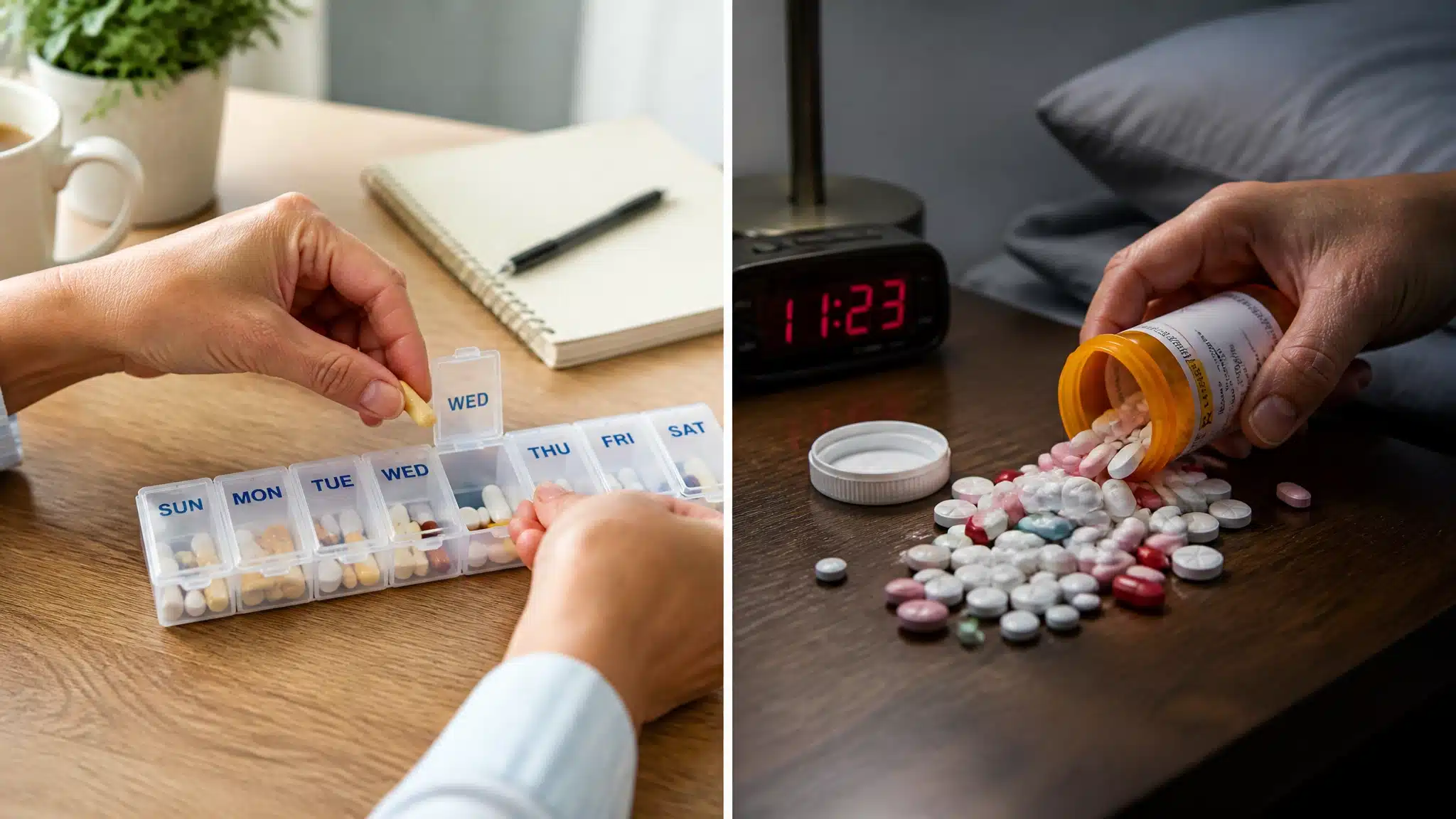
Lyrica addiction is a pattern of impaired control over pregabalin use, not simply your body’s adaptation to the medication. It centers on behavior: you may crave the drug, take more or more often than prescribed, or keep using it despite harm.
Signs that may point to addiction include:
- Raising your dose without medical guidance
- Requesting early refills
- Using pregabalin for reasons other than your prescribed indication
- Feeling unable to control how much or how often you take it
- Continuing despite unwanted effects
No single sign confirms a diagnosis. Tolerance or dose escalation can prompt clinical assessment, but a clinician weighs the full picture. If you’re concerned, don’t stop suddenly. Talk with your prescriber, who can assess your use and plan safe, individualized next steps.
How does dependence turn into addiction
Dependence turns into addiction when your relationship with pregabalin shifts from physical adaptation to impaired control. This doesn’t happen automatically, and many people who take pregabalin as prescribed develop dependence without ever losing control over their use. You might notice tolerance, take extra doses to recapture an effect, or request early refills. Some people start using pregabalin to manage stress or sleep rather than the condition it was prescribed for. Craving, failed attempts to cut back, and continuing despite harm signal that use has become compulsive. Longer treatment, higher doses, opioid use, and a history of substance misuse can raise your risk, though addiction can develop without these factors. No single sign confirms addiction, so talk with your prescriber if any feel familiar.
What are the signs of pregabalin addiction

Signs of pregabalin addiction include craving the drug, taking more than prescribed, requesting early refills, using it for non-prescribed reasons, and continuing despite harm. Look at your behavior, not just your body. Dependence shows up as withdrawal when you stop or cut back; addiction shows up as impaired control. Signs that may suggest addiction or misuse include:
- Craving pregabalin or feeling you can’t control how much or how often you take it
- Taking more than prescribed or raising your dose without medical guidance
- Requesting early refills
- Using it for reasons other than your prescribed indication
- Continuing to take it despite unwanted effects or harm
No single sign confirms addiction. Tolerance or dose escalation can prompt a clinical assessment. If you recognize these patterns, talk with your prescriber, who can evaluate your use and plan next steps.
Why does this distinction matter for treatment
Dependence and addiction call for different treatment responses, so telling them apart shapes your plan.
If you’ve developed physical dependence while taking Lyrica as prescribed, your prescriber will likely focus on a gradual, supervised taper. FDA labeling recommends tapering over at least one week, but UK guidance notes it can take weeks or months, especially from high doses. Lyrica tapering safety is crucial to prevent withdrawal symptoms and complications. It’s important to monitor for any signs of discomfort during the process, as individual responses can vary.
If you’re showing signs of addiction, such as craving, taking extra doses, or continuing despite harm, your plan should also address impaired control and any co-occurring substance use or health concerns.
Your clinician can also determine whether symptoms reflect withdrawal, addiction, or a return of your original condition. Don’t stop suddenly. Seek urgent help if you experience seizures, severe confusion, or suicidal thoughts or behavior during discontinuation.
What sets dependence apart from addiction
Dependence is a physiological adaptation, and addiction is a behavioral change. Dependence means your body has adjusted to Lyrica, so stopping abruptly can trigger withdrawal. Addiction means you’ve lost control over use.
| Dependence | Addiction |
|---|---|
| Body adapts to the drug | Control over use is impaired |
| Can develop during prescribed use | Involves craving or compulsive use |
| Withdrawal follows abrupt stopping | Use continues despite harm |
| Managed with a gradual taper | Often includes early refills or extra doses |
If you take Lyrica as prescribed, you can have dependence without addiction. Withdrawal symptoms alone don’t prove compulsive or harmful use. They signal the need for supervised dose reduction. No single sign, including tolerance or dose escalation, establishes addiction. Your clinician weighs the full pattern before recommending next steps.
Why choose Quest 2 Recovery for Lyrica addiction treatment
Quest 2 Recovery treats Lyrica addiction as a clinical condition rather than a personal failing. You can work with clinicians who assess whether your symptoms reflect withdrawal, addiction, a return of the condition pregabalin was treating, or another health problem. That distinction matters, because dependence alone doesn’t mean you’re addicted.
You shouldn’t stop pregabalin suddenly. A supervised taper, tailored to your dose and history, can take weeks or months and helps reduce risks such as seizures, severe confusion, and suicidal thoughts. Your treatment plan should also address co-occurring substance use, including opioid use, and mental health concerns.
If you’re craving Lyrica, taking more than prescribed, or struggling to cut back, contact Quest 2 Recovery to discuss a personalized plan.
Needing Lyrica Isn’t the Same as Being Addicted to It
If stopping Lyrica makes you feel awful, that may just be physical dependence, which can happen even taking it exactly as prescribed. Addiction is different: craving it, taking more than prescribed, using despite harm. Either way, quitting suddenly risks seizures, so stopping needs supervised tapering. Quest 2 Recovery offers medically supervised detox that tapers you off safely. Verify your insurance or call (855) 783-7888 for a confidential conversation about recovery.
Frequently Asked Questions
How Long Does Lyrica Withdrawal Usually Last After Stopping?
There’s no timeline you can count on. The available guidance doesn’t define how long Lyrica withdrawal typically lasts. What’s clear is that longer treatment and higher doses can make withdrawal harder, and a supervised taper may take weeks or months. Don’t stop suddenly. Your prescriber can tailor your plan and assess whether symptoms reflect withdrawal or your returning condition. Seek urgent help if you develop seizures, severe confusion, or suicidal thoughts.
Can I Stop Taking Lyrica on My Own Without Medical Help?
You shouldn’t stop Lyrica on your own. Stopping abruptly or cutting your dose sharply can trigger withdrawal, including insomnia, nausea, anxiety, sweating, and agitation. Severe reactions can include seizures. FDA labeling recommends tapering over at least one week, and your prescriber may extend it to weeks or months for high doses. Withdrawal doesn’t mean you’re addicted. Seek urgent help if you develop seizures, severe confusion, or suicidal thoughts or behavior.
Is It Safe to Take Lyrica With Opioids or Other Medications?
Combining Lyrica with opioids isn’t automatically safe, and you shouldn’t do it without your prescriber’s oversight. Cited guidance links combining high-dose pregabalin with opioids to an increased risk of opioid-related death. If you’ve had substance-use problems, your clinician should monitor you closely for misuse. Before you add or change any medication, tell your prescriber everything you take, and don’t adjust doses yourself. Seek urgent medical help if you develop severe confusion.
Can You Become Dependent on Lyrica at Normal Prescribed Doses?
Yes, you can develop physical dependence on Lyrica even when you take it exactly as prescribed, and it can happen with shorter-term use at recommended doses. Dependence means your body has adapted, so stopping suddenly may trigger insomnia, nausea, anxiety, sweating, or even seizures. It doesn’t mean you’re addicted. Don’t stop or change your dose on your own. Your prescriber can safely plan a gradual taper that fits your situation.
When Should I Seek Emergency Help During Lyrica Discontinuation?
Seek emergency help right away if you have a seizure, severe confusion, psychotic symptoms, or suicidal thoughts or behavior while stopping Lyrica. If you have a seizure disorder, you’re at higher risk of more frequent seizures after rapid discontinuation. Milder symptoms like insomnia, nausea, sweating, or anxiety still warrant a call to your prescriber. Don’t stop suddenly; your clinician can build a gradual taper that’s tailored to your needs.