






Prescription misuse often begins right in your families, where 56% of teens have easy access to parents’ medicine cabinets. Your child may assume that because a doctor prescribed a medication, it’s safe to experiment with, over 40% of teens equate legality with safety. Nearly half of adolescents who misuse prescriptions get them free from family members. Understanding how access, assumptions, and family history intersect can help you protect your household.
Why Family Homes Are Ground Zero for Teen Prescription Misuse
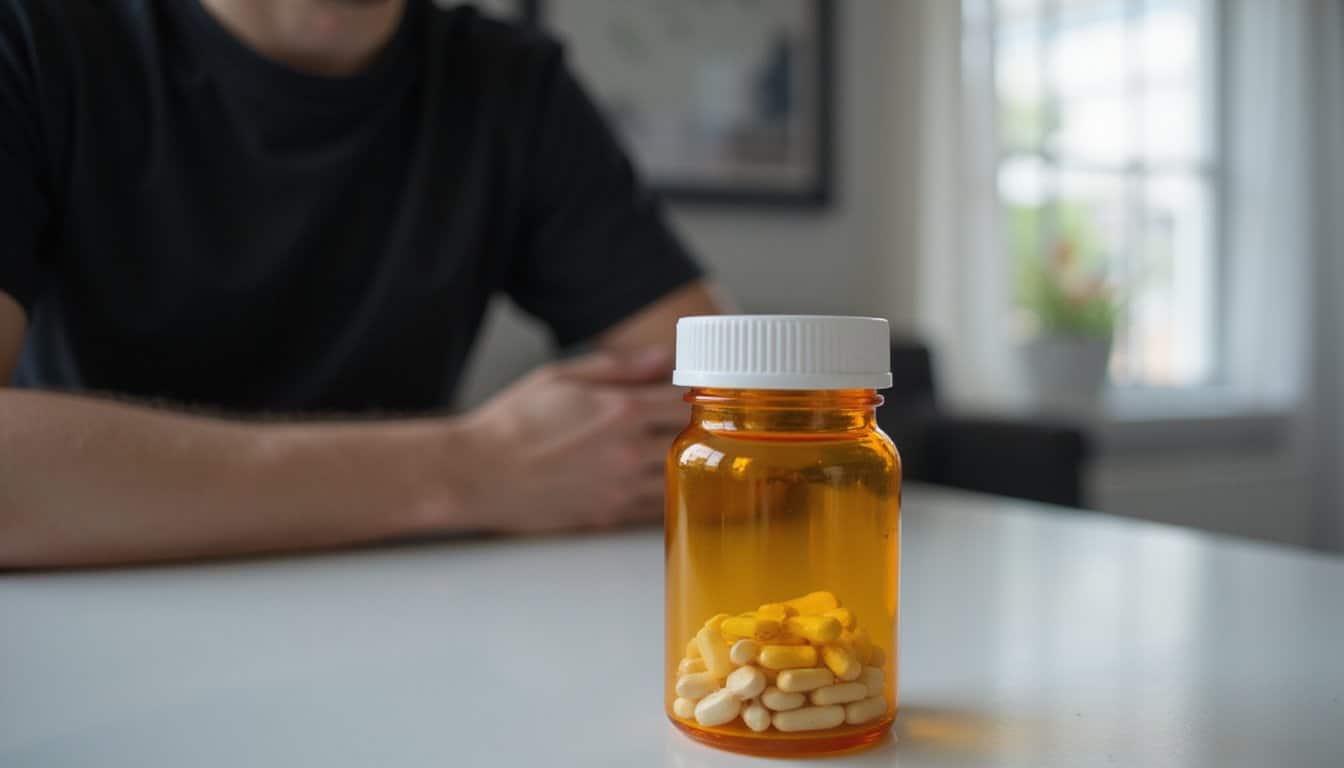
When prescription medications sit unguarded in bathroom cabinets, they send an unintended message to teenagers: these drugs are safe and accessible. Research shows 56% of teens have easy access to prescription drugs in their parents’ medicine cabinets, and 42% who misuse obtained medications this way.
Your home environment shapes your teen’s perception of prescription drug risks. Parental permissiveness attitudes matter, 23% of teens believe their parents care less about prescription misuse than illegal drug use. Additionally, parental substance use influence plays a significant role, with adolescent misuse rates climbing when parents themselves misuse medications. Compounding the problem, over 40% of teens equate the safety of prescription medications with their legal status, making them more likely to experiment. With nearly 19 million U.S. children living with at least one parent who had a substance use disorder in 2023, the scope of potential exposure is staggering.
Perhaps most concerning is the pattern of insufficient parent-teen discussions. While 81% of teens discuss marijuana risks with parents, only 16% discuss prescription pain relievers. You can change this dynamic by starting honest conversations today.
The Dangerous Myth That Prescriptions Are Safer
Many families unknowingly operate under a dangerous assumption: if a doctor prescribed it, it must be safe. This belief fuels prescription misuse at home and delays recognition of developing problems.
A doctor’s prescription doesn’t guarantee safety, this dangerous assumption is fueling medication misuse in homes everywhere.
The truth? Prescription drugs carry DEA schedules specifically because they pose significant abuse potential. Taking medications beyond prescribed amounts accelerates addiction and medication escalation, regardless of their legitimate origins.
You might not realize that medication sharing risks extend beyond legal concerns. When you share prescriptions, you’re passing along drugs designed for specific conditions, dosages, and body chemistries. Mixing these with alcohol or other substances can prove fatal. People have faced arrest for prescription drug fraud simply for obtaining medications without valid prescriptions.
Watch for addiction warning prescription drugs present: early refill requests, increased dosages without consultation, or emotional dependence on medication effects. These signals matter. Recognizing them early helps you protect your family before dependence takes hold.
Nearly 1 in 5 High Schoolers Have Misused Prescriptions
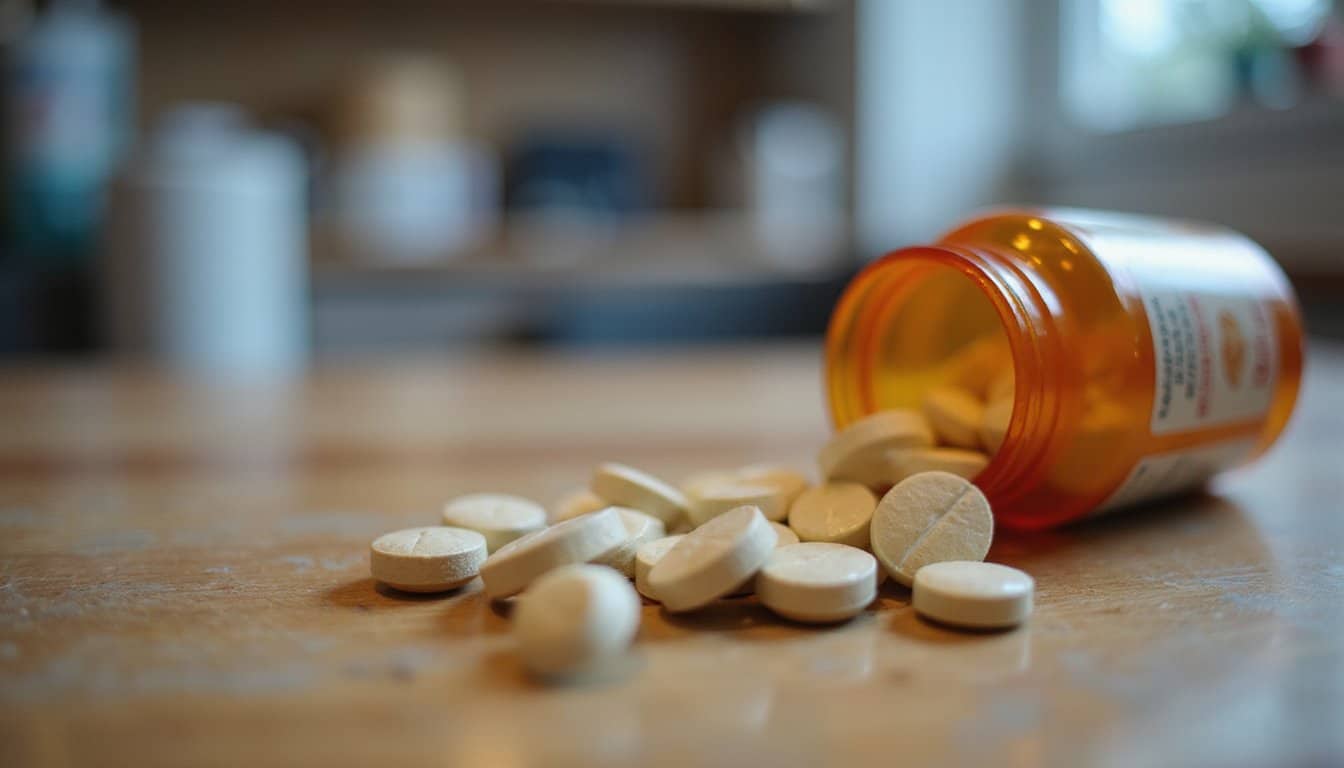
You might not realize that your medicine cabinet poses one of the biggest risks to your teen, at one point, nearly one in five high schoolers reported misusing prescription drugs, with many obtaining medications directly from home. The perception that prescribed pills are safer than street drugs creates a dangerous false sense of security for both parents and teens. By understanding that easy access and safety misconceptions drive misuse, you can take practical steps to secure medications and have honest conversations with your family.
Medicine Cabinet Access Risks
Nearly one in five students in grades 7 through 12 have used prescription medications that weren’t prescribed to them, and many of these drugs come directly from family medicine cabinets.
Understanding prescription storage safety addiction prevention starts with recognizing how easily teens access these medications. Research shows 47% of adolescents obtained prescription drugs free from relatives or friends, while 10% simply took them without asking.
Steps to protect your family:
- Lock medications in secure, non-obvious locations to establish family boundaries prescription safety
- Count pills regularly as part of family monitoring medication use
- Dispose of unused prescriptions immediately to prevent prescription addiction progression
- Discuss medication risks openly with your children
You can’t assume your teen won’t be tempted. Proactive measures protect everyone in your household.
Safety Perception Gaps
Beyond securing your medicine cabinet, understanding how teens perceive prescription drugs matters just as much. Many adolescents view prescribed medications as inherently safe because doctors authorize them. This safety perception gap creates vulnerability, approximately 11% of high school seniors report misusing prescription medications annually.
You can bridge this gap by building family health literacy and addiction awareness into everyday conversations. Discuss how addiction and pain management overlap, explaining that legitimate prescriptions can still carry misuse risks. Address prescription drug stigma awareness openly, helping your teen understand that dependency doesn’t reflect weakness. Family dynamics and substance use can significantly influence an individual’s relationship with drugs and alcohol. By fostering open discussions about these topics, families can create a supportive environment where everyone feels safe to share their struggles and seek help. Helping teens recognize the impact of their home life on their choices can empower them to make healthier decisions moving forward.
Students misusing alcohol show a higher risk for medication misuse, so watch for connected patterns. Early conversations support addiction early intervention medication strategies before problems escalate. When you normalize discussions about medication safety, you help your teen recognize that prescribed doesn’t automatically mean risk-free.
How Teens Get Pills From Medicine Cabinets and Relatives
How do teenagers gain access to prescription medications without their parents’ knowledge? The answer often lies closer than you’d expect, right inside your home.
Research shows medicine cabinets serve as the primary source for teens obtaining prescription pills. Your family’s leftover medications create opportunities for unsupervised access, increasing the risk of pain medication addiction.
Here’s how teens typically access these drugs:
- Unlocked medicine cabinets containing unused prescriptions
- Leftover pills from relatives’ past treatments
- Easily accessible home storage without proper monitoring
- Medications from extended family members during visits
Recognizing prescription tolerance signs early matters. You can reduce risk through family conversation, medication safety discussions, and establishing addiction accountability and prescription use practices. Securing medications isn’t about distrust, it’s about protection.
When Parents’ Substance History Raises a Child’s Risk

If you’ve struggled with substance use, your children may face a higher risk of developing similar patterns, not because it’s inevitable, but because genetic and environmental factors can increase vulnerability. Understanding this connection empowers you to take proactive steps, like having honest conversations about family history and modeling healthy coping strategies. Breaking generational cycles starts with awareness and intentional choices that create a safer, more supportive environment for your children.
Inherited Risk Patterns
When a parent struggles with substance use disorder, the effects ripple through the entire family, and children often carry that weight into their own futures.
Research shows children exposed to parental substance use face heightened addiction risk with legitimate prescriptions later in life. You’re not destined to repeat patterns, but understanding your vulnerability helps you stay vigilant.
Key inherited risk factors include:
- Starting substance use at a younger age than peers
- A greater likelihood of developing addiction tolerance with medication use
- Higher rates of addiction and chronic pain risk co-occurring
- Increased addiction and emotional reliance on medication during stress
Over 7.5 million children live with a parent experiencing moderate to severe SUD. If this describes your background, honest conversations with healthcare providers about family history protect you when managing prescriptions. Employing strategies for healthy family communication can significantly enhance understanding and support among family members. These strategies can create an environment where feelings can be communicated openly, fostering more robust relationships.
Breaking Generational Cycles
Breaking free from generational addiction patterns isn’t about erasing your family history, it’s about using that knowledge to protect yourself and your children.
Research shows children exposed to parental substance use disorders face notably higher risks of developing their own addictions. Recognizing benzodiazepine dependence patterns or medication misuse escalation signs early gives you power to intervene before problems take root.
Start by having honest conversations about your family’s history. Addiction denial medication use often delays treatment and perpetuates cycles across generations. When you acknowledge past struggles openly, you create space for healthier choices.
Monitor prescriptions carefully and discuss addiction relapse prescription drugs risks with healthcare providers. Store medications securely and model responsible use. By staying vigilant and informed, you’re actively protecting your children from repeating painful family patterns.
Warning Signs of Prescription Misuse at Home
Recognizing prescription misuse in your home often starts with noticing small but significant changes that don’t add up. You might observe early refill warning signs, such as medications running out before they should or prescriptions mysteriously disappearing. Pay attention to dosage escalation patterns, when someone needs more medication to achieve the same effect, dependency may be developing.
Watch for these key indicators:
- Missing pills or medication bottles from your medicine cabinet
- Behavioral changes, such as prescription misuse, are often triggered by factors such as mood swings, secrecy, or neglecting responsibilities
- Physical symptoms like slurred speech, drowsiness, or poor coordination
- Signs of addiction and sleep medication misuse, such as appearing confused or excessively fatigued
Trust your instincts. These observations can guide early, supportive intervention.
Secure Storage and Open Talks: Prevention That Works
Many families don’t realize that prevention starts with two simple actions: securing medications and talking openly about them. Mixing substances and mental health effects can have devastating consequences, often exacerbating existing vulnerabilities. It is crucial for families to educate themselves about the risks associated with various combinations of medications and recreational drugs. Open discussions can help demystify these topics, encouraging a supportive environment for those who may be struggling.
Secure storage makes a real difference. Use lockboxes for opioids, benzodiazepines, and stimulants. Conduct regular inventory checks of your medicine cabinet to detect missing pills early. Dispose of unused medications through take-back programs rather than leaving them accessible.
Open communication strategies matter just as much. Only 15% of teens discuss prescription misuse with parents, compared to 80% for alcohol. Start by listening to your teen’s questions before sharing facts about safe medication use.
Family-based interventions and parental monitoring techniques work together. Research shows that strong family bonds and consistent monitoring reduce favorable attitudes toward misuse. When you combine secure storage with ongoing conversations, you’re building protection that lasts.
It Can Happen to Any Family, and Help Is Always Available
Prescription misuse rarely announces itself; it often starts quietly in the most ordinary households and grows before anyone realizes what is happening. If you have noticed something shifting in your loved one, you are not alone, and it is not too late. At Quest 2 Recovery, our compassionate team provides personalized detox treatment and residential care designed to help your loved one reclaim the life they deserve. Call (855) 783-7888 today and let us help your family find the way forward.”
Frequently Asked Questions
Can Prescription Misuse Lead to Using Illegal Drugs Later in Life?
Yes, prescription misuse can lead to illegal drug use later in life. If you’re misusing prescription opioids, you’re at higher risk of shifting to substances like heroin, nearly 60% of heroin users also misuse prescription opioids. This doesn’t mean it’s inevitable for you or your loved one. Early intervention, honest conversations about medication use, and seeking professional support can help you break this cycle before it advances further.
What Should Parents Do if They Discover Their Teen Has Misused Medications?
Stay calm and avoid immediate confrontation, which can trigger defensiveness. Secure all medications in your home right away, then initiate a non-judgmental conversation focused on your teen’s wellbeing rather than blame. Document what you’ve observed and consult a healthcare provider or addiction specialist for proper evaluation. Consider family counseling to address underlying issues like anxiety or depression. Your supportive response now can prevent escalation and build the trust needed for recovery.
Are Certain Prescription Drug Types More Commonly Misused by Teenagers Than Others?
Yes, certain prescription drugs are misused more frequently by teens. Opioid painkillers show the highest misuse rates, with 14% of high school students reporting misuse. Stimulants like Adderall rank third, with 8% past-year misuse rates. Benzodiazepines and sedatives also pose significant risks. You’ll find teens often obtain these medications from their own past prescriptions or receive them free from friends and family, making household medication management essential.
How Do Schools Address Prescription Drug Misuse Prevention in Their Curriculum?
Schools address prescription drug misuse prevention through evidence-based programs like LifeSkills Training and the HOPE Curriculum. You’ll find these programs teach your teen critical skills, recognizing misuse warning signs, practicing refusal techniques, and making informed decisions. They’re available across K-12 grades in classroom, digital, and after-school formats. Programs like Operation Prevention use real teen stories and science-based content to help students understand opioid dangers in relatable, age-appropriate ways.