






No single factor controls your alcohol tolerance. Your genes shape how you process alcohol and acetaldehyde. Your body water dilutes alcohol, so smaller frames and women reach higher BAC from the same intake. Frequent drinking builds functional and metabolic tolerance, but that doesn’t lower your BAC or your risk. Food, age, liver health, and medications change alcohol’s impact. Below, you’ll see how each factor shifts your tolerance and why higher tolerance never means safer drinking.
Key Takeaways
- Alcohol tolerance depends on multiple factors, including genetics, body composition, sex, drinking habits, liver function, and medications.
- Alcohol distributes through body water, so people with less body water reach higher blood alcohol concentrations from the same amount.
- Genetic variants in ADH and ALDH enzymes affect how efficiently your body processes alcohol and its toxic byproduct, acetaldehyde.
- Frequent drinking builds acquired tolerance, which reduces visible impairment while blood alcohol levels remain elevated and harmful.
- Women generally reach higher blood alcohol levels than men of equal weight, and age, food, and liver disease also affect alcohol’s impact.
What determines alcohol tolerance

Alcohol tolerance is determined by genetics, body composition, sex, drinking patterns, and liver function, with no single factor controlling it. Inherited variants in ADH and ALDH enzymes shape how you process alcohol and acetaldehyde. Weight does affect alcohol tolerance: alcohol distributes through body water, so your body-water proportion influences your BAC. Repeated drinking also builds acquired tolerance, and drinking quickly raises your BAC faster. Metabolism matters too, since liver disease and certain medications can slow alcohol breakdown. Tolerance can mask intoxication, but it doesn’t lower your BAC or protect you from harm. Don’t mistake it for safety. Alcohol tolerance and its effects can lead to heavier drinking as people feel less intoxicated despite remaining impaired, increasing the risk of dependence and health problems.
How do body weight and size play a role
Body weight and size affect alcohol tolerance mainly through body water, since alcohol distributes primarily through the water in your tissues.
Body composition is one measurable factor in alcohol tolerance. When you have proportionally more body water, the same amount of alcohol is more diluted, so your blood alcohol concentration (BAC) rises less.
More body water means alcohol is more diluted, so your blood alcohol concentration rises less from the same amount.
That’s why women, at the same weight and intake, tend to reach a higher BAC than men. They average proportionally less body water. Body mass and liver size also influence how quickly you metabolize alcohol.
Alcohol tolerance isn’t based on size alone. A larger frame won’t protect you from impairment or harm, and feeling less affected doesn’t mean your BAC is safe for driving.
How does genetics affect tolerance
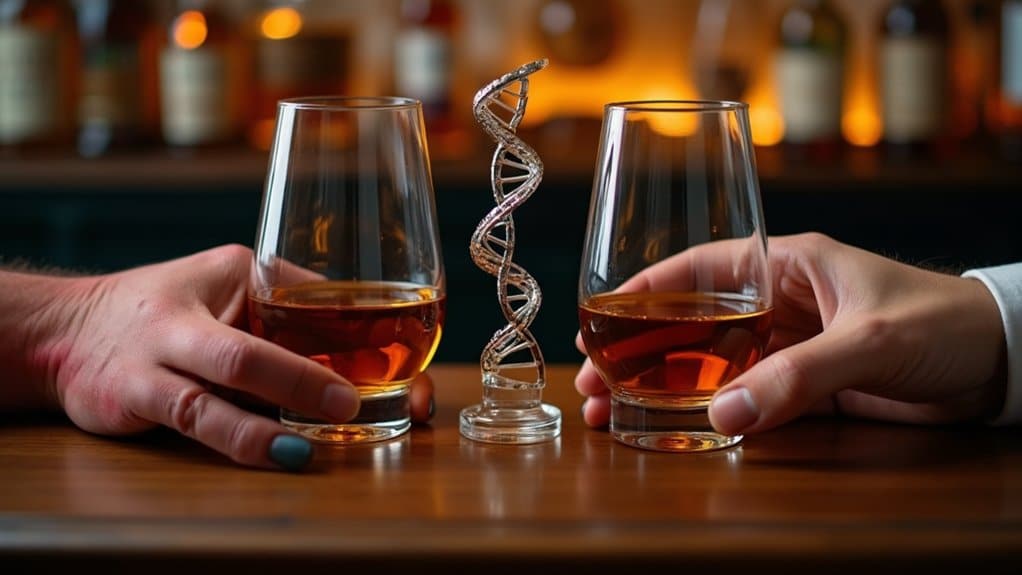
Your genes shape how you respond to alcohol and how quickly you process it. Variants in alcohol dehydrogenase (ADH) and aldehyde dehydrogenase (ALDH) affect how your liver breaks down alcohol and its toxic byproduct, acetaldehyde.
If you’ve inherited a naturally low response to alcohol, you may not notice intoxication until you’ve consumed more. That muted response can encourage heavier drinking and raises your risk of alcohol use disorder (AUD). It’s a reason for caution, not evidence that you’re safer.
NIAAA estimates that genes account for about 50%–60% of AUD vulnerability. That figure reflects disorder risk, not a direct measure of tolerance. Your family history alone doesn’t determine your outcome. Your environment and drinking habits also contribute to your risk.
How does drinking frequency build tolerance
Drinking regularly builds tolerance because your brain and body adapt to alcohol’s presence, so you need progressively more to feel the effects you once reached with less. This acquired tolerance develops in two ways. Functional tolerance makes you appear less impaired, even though your blood alcohol concentration (BAC) stays heightened. Metabolic tolerance can follow repeated heavy drinking, as changes in alcohol-metabolizing enzymes speed alcohol breakdown. High alcohol tolerance risks can lead to severe health consequences over time. Individuals may underestimate their limits, resulting in dangerous drinking behaviors.
Neither type makes drinking safer. Faster metabolism doesn’t clear alcohol quickly enough for driving or other risky activities. Reduced visible impairment can mask intoxication while harm continues. As tolerance grows, you may drink more to reach familiar effects, raising your risk of alcohol use disorder. Treat a diminishing response as a warning sign, not proof that your body handles alcohol well.
How do sex and age factor in

Sex affects the blood alcohol concentration (BAC) you reach after drinking, and age affects your overdose risk. If you’re a woman, you’ll tend to reach a higher BAC than a man of the same weight drinking the same amount, because women, on average, have proportionally less body water. Alcohol distributes primarily through body water, so your body-water proportion helps determine your BAC. That higher BAC can mean greater impairment and harm, and any tolerance you’ve built doesn’t cancel this physiological difference. Sex-related differences in alcohol-related harm may also reflect biological factors beyond body-water proportion.
Your overdose risk varies with age, alongside sex, tolerance, drinking speed, medications, and food intake. Don’t treat how you feel after drinking as a reliable gauge. Tolerance can’t accurately signal your true BAC, impairment, or safety.
How do food and metabolism change it
Food can change alcohol’s impact and your overdose risk, and your metabolism affects how your body processes alcohol, but neither makes heavy drinking safe. What you eat is one factor in how alcohol affects you, and your nutrition and drinking habits can influence how you metabolize alcohol. Your liver processes most alcohol, mainly through the ADH and ALDH enzyme pathways. Your metabolic rate depends on genetics, body mass, liver size, and drinking history. If you drink heavily over time, you may break alcohol down faster, but that doesn’t clear it quickly enough to make driving safe. Advanced liver disease can slow elimination. Some prescription and over-the-counter medicines can also raise your BAC or cause other harmful interactions, regardless of how tolerant you feel. Check with your pharmacist before drinking.
Which factors raise or lower tolerance
Genetics, body composition, sex, and drinking history raise or lower how strongly alcohol affects you.
| Factor | What It Means for You |
|---|---|
| Genetics | A naturally low response can hide intoxication and raise your AUD risk. |
| Body water | Less body water means you’ll reach a higher BAC from the same drinks. |
| Drinking history | Repeated drinking makes you need more alcohol, while BAC still climbs. |
NIAAA estimates that 50%–60% of AUD vulnerability is inherited, but your environment also contributes. If you’re a woman, you’ll likely reach a higher BAC than a man of equal weight and intake. Certain medications and advanced liver disease can raise your BAC regardless of perceived tolerance. Remember: tolerance masks impairment; it doesn’t protect you. Feeling fine isn’t evidence that you’re safe.
How does Quest 2 Recovery assess your drinking patterns
Quest 2 Recovery assesses your drinking patterns by examining factors that shape your actual risk, not how intoxicated you feel or appear, since tolerance can mask impairment. Clinicians will ask how much you drink, how quickly you drink, and how often, because amount and rate drive blood alcohol concentration (BAC) and overdose risk. They’ll review whether you’ve needed more alcohol over time to feel the same effects, a sign of acquired tolerance. Your family history matters, because 50%–60% of vulnerability to alcohol use disorder (AUD) is inherited, though it doesn’t determine your outcome. Clinicians also consider your sex, body composition, liver health, eating habits, and any prescription or over-the-counter medications that interact with alcohol. This assessment helps identify AUD risk and guides treatment based on evidence, not perceived tolerance. Alcohol tolerance after quitting can vary significantly among individuals. Many people may find that their ability to metabolize alcohol changes, leading to different experiences if they choose to drink again.
Being “Built to Drink” Is a Myth Worth Letting Go
Genes, body water, and sex all shape how strongly alcohol hits, but none make it safer. Whatever your natural tolerance, your blood alcohol climbs and harm adds up. Tolerance you build from drinking is a warning sign, not a gift. Quest 2 Recovery offers inpatient rehab that assesses your risk and treats the drinking behind it. Verify your insurance or call (855) 783-7888 for a confidential conversation about recovery.
Frequently Asked Questions
Is Having a High Alcohol Tolerance a Sign of Alcohol Use Disorder?
Not necessarily, but you shouldn’t dismiss it. High tolerance doesn’t diagnose alcohol use disorder (AUD), yet it’s a cautionary signal. If you need more alcohol to feel effects you once reached with less, your drinking may be escalating. A naturally low response can also push you toward heavier drinking and raises your AUD risk. Tolerance masks impairment without lowering your BAC or protecting you from harm. Treat it cautiously.
Can I Safely Drive if I Don’t Feel Drunk After Drinking?
No, you can’t rely on feeling sober to drive safely. Functional tolerance can mask visible impairment while your blood alcohol concentration (BAC) stays high. Even metabolic tolerance doesn’t clear alcohol fast enough to make driving safe. Drinking quickly, medications, liver disease, and your body-water proportion can all raise your BAC. Your subjective response isn’t a dependable measure of impairment, so don’t drive after you’ve been drinking. Arrange alternative transportation instead.
How Long Does It Take to Lose Alcohol Tolerance After Quitting?
There’s no fixed timeline. How quickly your tolerance fades depends on your genetics, body composition, liver function, and drinking history. Many people notice reduced tolerance within days to weeks of abstinence. That’s a risk: if you return to your previous amount, you’ll reach a higher BAC with more impairment and overdose danger. If you’ve been drinking heavily, don’t quit abruptly without medical guidance, since withdrawal can become severe or life-threatening.
What Is the Difference Between Alcohol Tolerance and Alcohol Dependence?
Tolerance means you need more alcohol to feel effects you once got from less. Dependence means your body has adapted so heavily that you experience withdrawal symptoms, such as tremors, when you stop or cut back. Tolerance doesn’t equal dependence, but it can drive heavier drinking and raise your risk of alcohol use disorder. Remember, tolerance masks intoxication. It doesn’t lower your BAC or protect you from alcohol-related harm.
Does High Alcohol Tolerance Protect Me From Alcohol Poisoning or Overdose?
No, high tolerance doesn’t protect you from alcohol poisoning or overdose. Tolerance can mask signs of intoxication while your blood alcohol concentration stays dangerously increased. Your overdose risk still depends on how much and how fast you drink, your age, sex, food intake, and any medications you take. Greater tolerance may also lead you to drink more, raising your risk of harm and alcohol use disorder. Treat low response as a warning.