

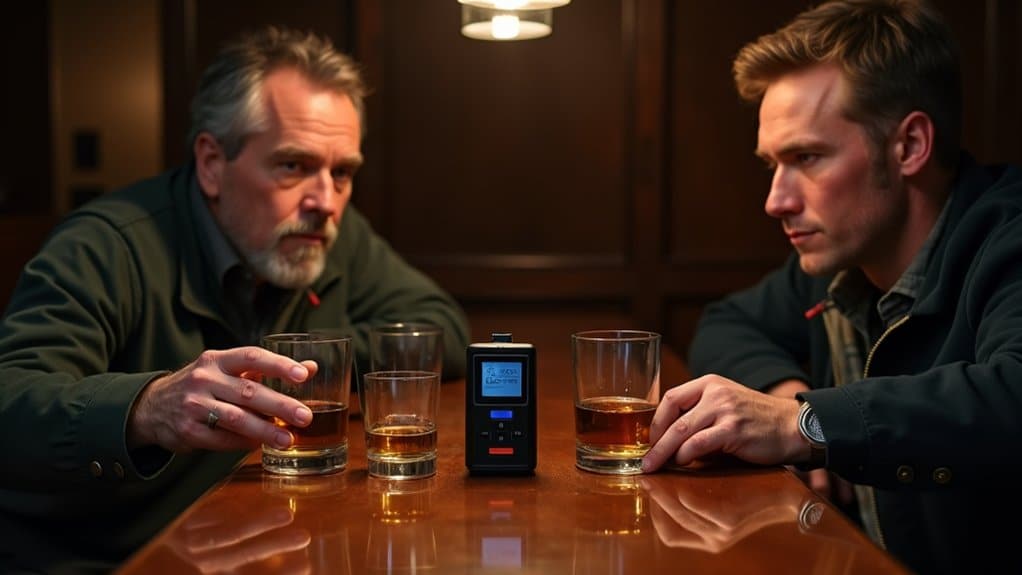

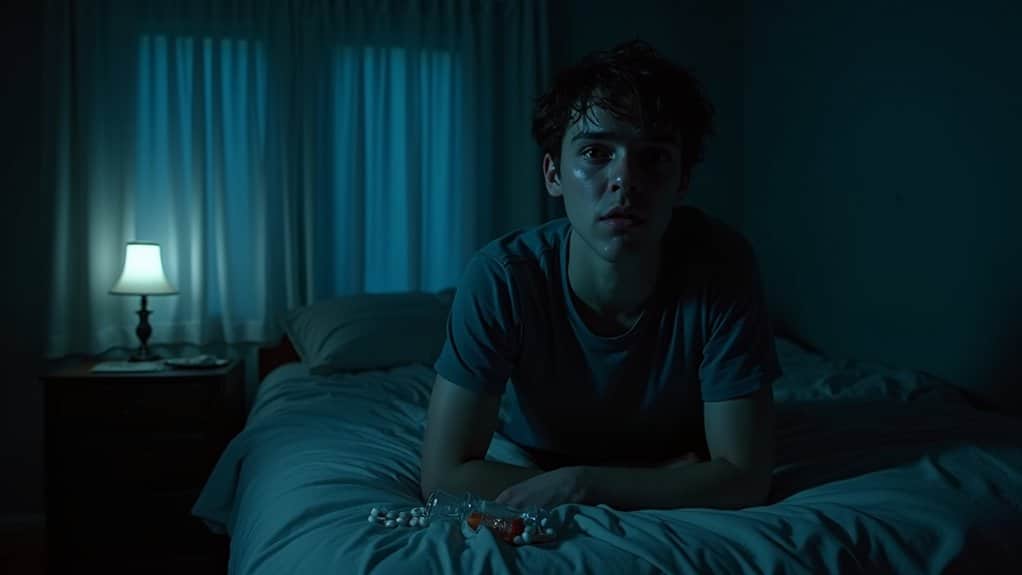
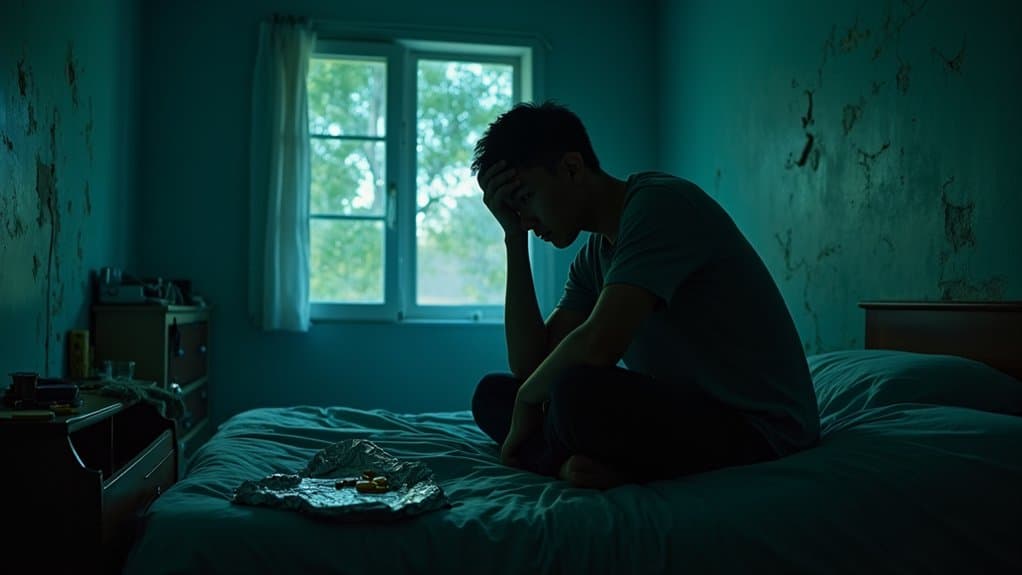
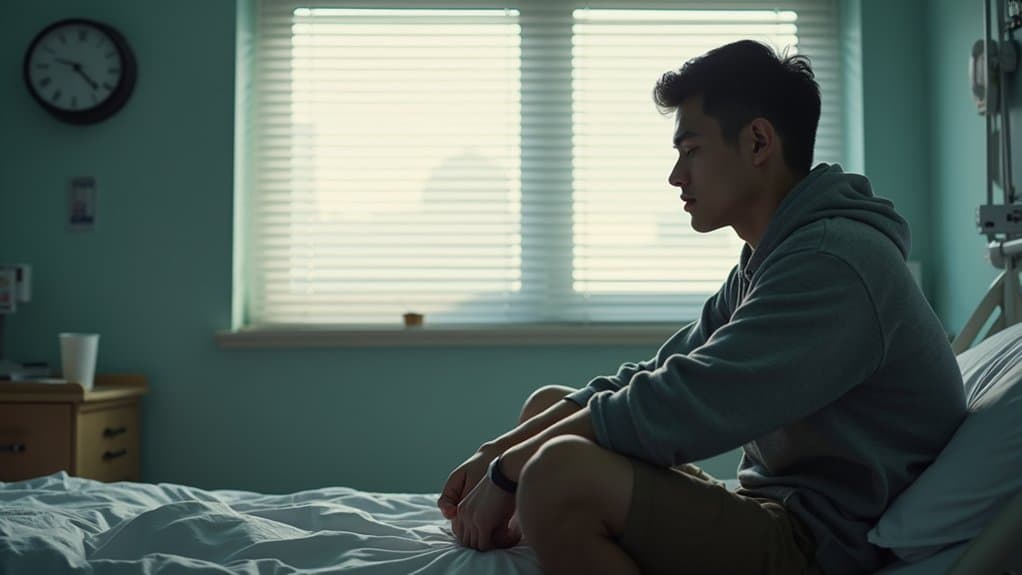
Yes, a hangover can trigger panic-like anxiety, even if you’re not having a clinical panic attack. As alcohol wears off, your heart may race, your hands may shake, and you might sweat or feel dizzy. Your mind can read these sensations as danger, which intensifies fear. Poor sleep and dehydration lower your stress tolerance. Research shows next-day anxiety rises after drinking. You’ll learn why it happens, who’s most at risk, and how to calm it.
Key Takeaways
- Hangovers can trigger panic-like anxiety, with racing heart, sweating, shakiness, dizziness, and nausea that the mind may interpret as danger.
- Research supports the link: 18.3% of over 5,000 surveyed students reported anxiety while hungover.
- Alcohol withdrawal effects, disrupted sleep, dehydration, and altered cortisol patterns can lower stress tolerance and intensify next-day fear.
- Heavy drinking, shyness, pre-existing anxiety, and drinking to cope with stress may increase the risk of severe hangover anxiety.
- Anxiety that persists beyond drinking, occurs on non-drinking days, or shapes plans may signal an anxiety disorder needing professional assessment.
Can a hangover trigger panic attacks or severe anxiety

Yes, a hangover can trigger anxiety severe enough to feel like a panic attack, though it doesn’t necessarily cause a clinical panic attack. During a hangover, you may notice shakiness, sweating, a racing heart, irritability, and low mood. These sensations can mimic or intensify panic symptoms, which is why hangover panic attacks feel so convincing.
Research supports the link. In a survey of more than 5,000 UK and Dutch students, 18.3% reported anxiety while hungover. In a study of 97 social drinkers, next-day anxiety rose among those who drank compared with sober controls.
Still, a hangxiety panic attack isn’t always a true panic attack, and alcohol doesn’t explain every anxious episode. If you experience severe hangover anxiety repeatedly, or it persists, seek a clinical assessment for underlying causes.
What do hangover panic attacks feel like
Hangover panic attacks feel like a surge of fear driven by physical symptoms such as a racing heart, sweating, shakiness, dizziness, or nausea. These sensations can feel alarming, and your mind may interpret them as danger, which intensifies fear and makes a panic attack hangover feel overwhelming. You might feel irritable, restless, low, or unable to stop worrying about what happened the night before.
Poor sleep, dehydration, and fatigue can lower your stress tolerance, so extreme anxiety after drinking may feel harder to manage. Symptoms are often worst in the morning and ease as the day goes on, though anxiety can linger.
These feelings don’t always mean you’re having a clinical panic attack. If symptoms are severe, unusual, or recurring, don’t assume it’s just a hangover; seek medical advice.
Why does alcohol trigger panic
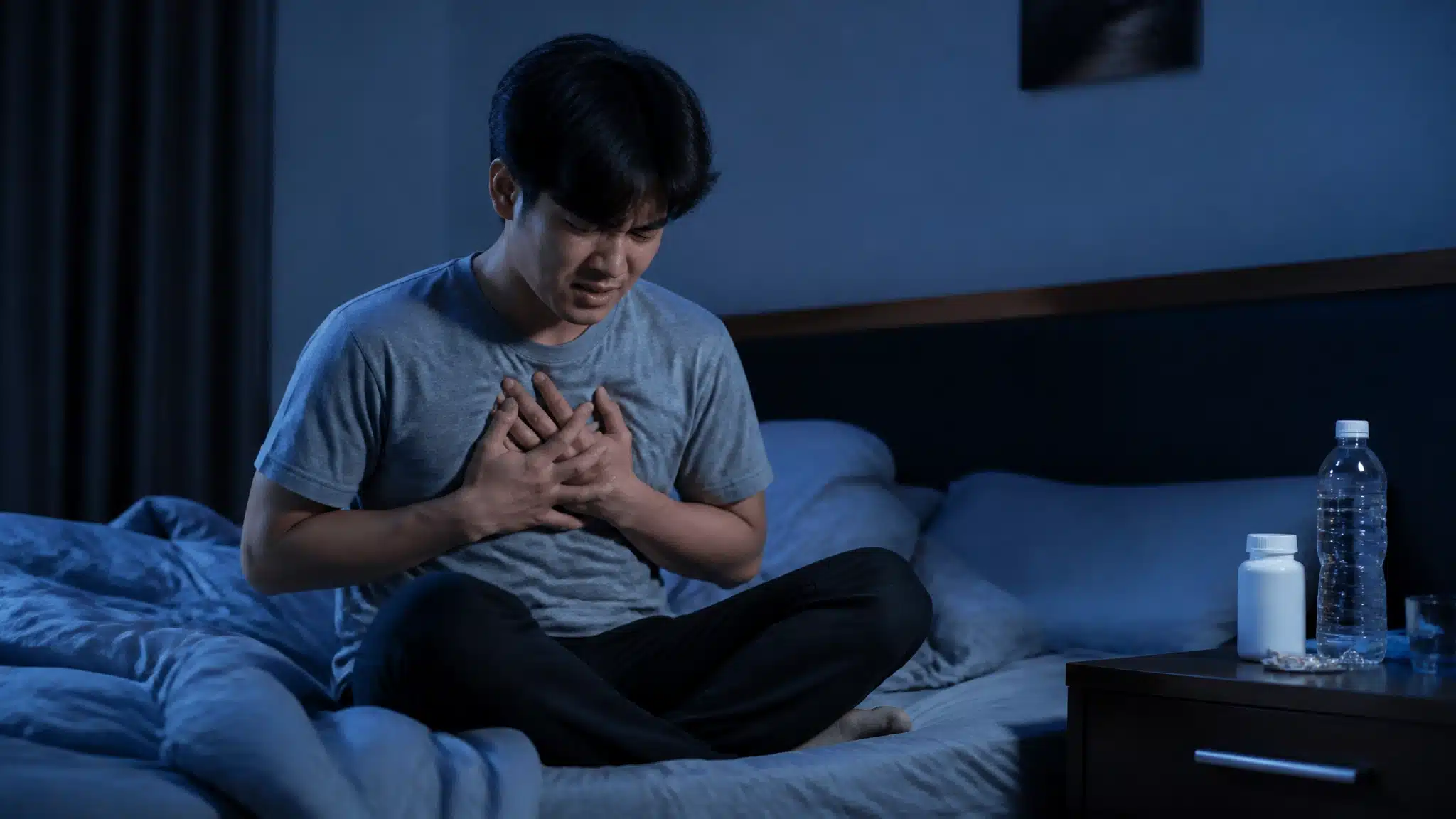
Alcohol can trigger panic because, as it wears off, your brain activity shifts and nervousness can follow intoxication, especially after heavy or repeated drinking. Several overlapping processes may push you toward panic-like symptoms:
- Disrupted sleep: Alcohol reduces sleep quality and alters REM sleep, which can lower your next-day mood and stress tolerance.
- Fluid loss: Increased urination, vomiting, or diarrhea can leave you feeling dizzy and weak.
- Alarming body signals: A racing heart, tremor, and sweating can feel like danger, and you may mistake them for panic.
Alcohol may also disrupt cortisol patterns and your stress-response systems. Still, no single mechanism explains every case, and these sensations don’t always mean you’re having a clinical panic attack.
Who is most prone to severe anxiety
People with higher baseline shyness, those who drink heavily or regularly, those who already live with anxiety or low mood, and those who drink to cope with stress appear most prone to severe hangover anxiety. In a study of 97 social drinkers, people with higher baseline shyness showed the strongest increase in next-day anxiety. A review also links heavier and more regular drinking with a greater likelihood of temporary anxiety symptoms.
If you already live with anxiety or low mood, you may feel hangover anxiety more intensely, according to a reported Australian study. That same research associated drinking to cope with stress with more intense hangxiety. Not everyone who drinks feels this next-day dread, and your anxiety may not rise in step with how much you drank. Treat these findings as emerging evidence rather than firm predictions. They don’t mean you’ll inevitably struggle, but they can help you recognize your vulnerability.
How can you calm a panic attack after drinking
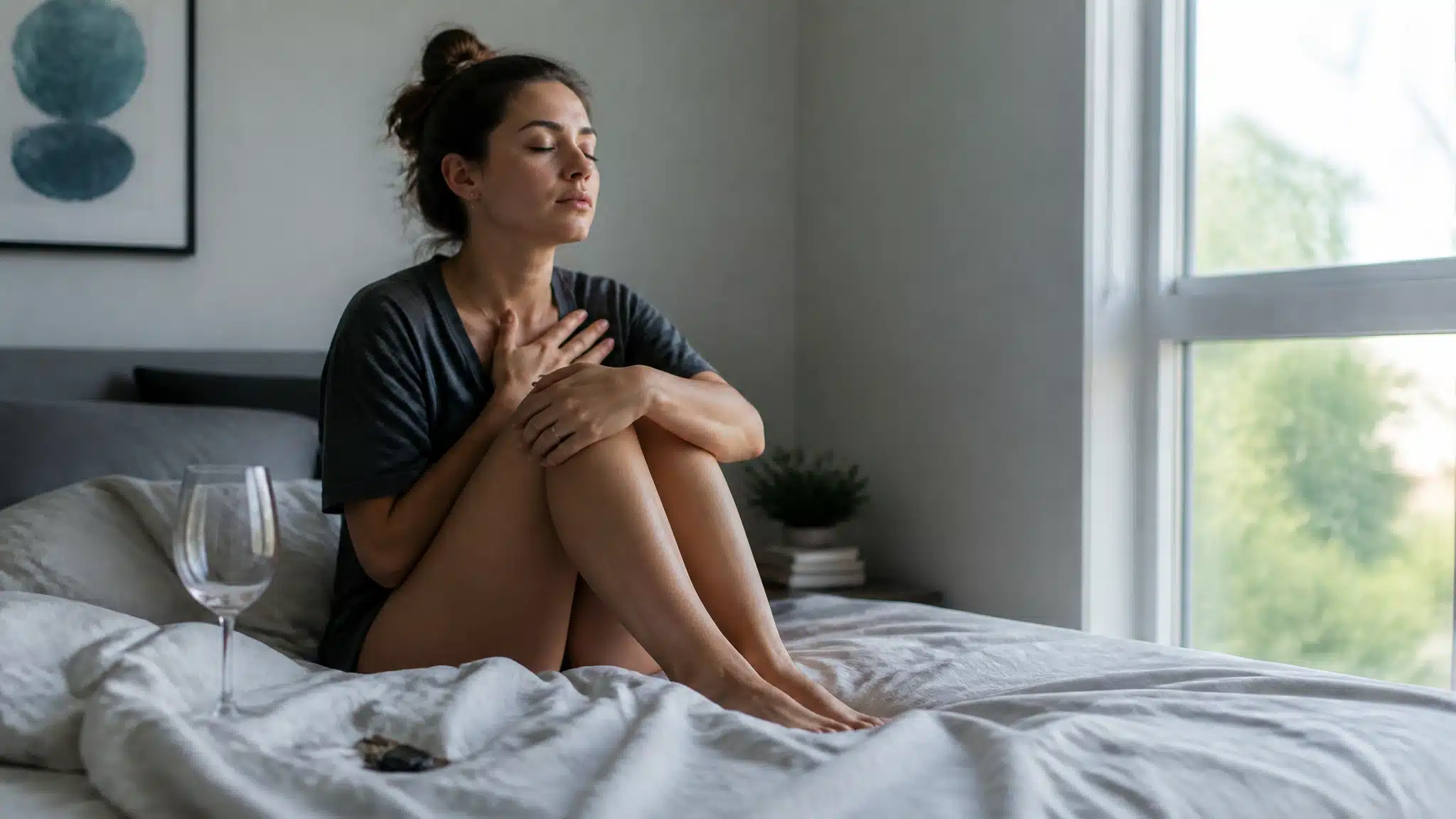
Calm a panic attack after drinking by first ruling out an emergency, then steadying your body. If you or someone has confusion, seizures, slow or irregular breathing, can’t stay awake, or passes out, call emergency services.
Before calming post-drinking panic, rule out an emergency. Confusion, seizures, slow breathing, or unresponsiveness means calling emergency services immediately.
Remind yourself that a racing heart, sweating, and shakiness are common hangover symptoms. They can feel alarming without signaling danger.
Focus on steadying your body:
- Sip water, since alcohol increases urine production and fluid loss can worsen dizziness and weakness.
- Breathe slowly, lengthening each exhale, to ease the physical alarm.
- Rest somewhere quiet, because disrupted sleep can lower your stress tolerance.
If panic keeps returning, persists, or follows frequent heavy drinking or attempts to cut back, see a clinician. Withdrawal can be dangerous, and repeated anxiety deserves professional assessment regardless.
When does it signal an anxiety disorder
Hangover anxiety may signal an anxiety disorder when it’s no longer tied to drinking. Pay attention if you have panic symptoms on days you haven’t been drinking, if worry lingers long after physical hangover symptoms fade, or if fear of another attack shapes your plans. Repeated panic symptoms or persistent anxiety warrant clinical assessment, whether or not alcohol contributed.
Your drinking pattern also matters. If you drink to cope with stress, you may notice more intense hangxiety, and that cycle can mask an underlying condition. If anxiety appears after you stop or sharply cut back following sustained heavy use, it may signal withdrawal, which can be dangerous. A clinician can help you identify the cause and choose safe, effective treatment that fits you.
How does mild hangxiety differ from a panic attack
Mild hangxiety feels like a steady hum of worry that builds as alcohol wears off, while a panic attack hits like an alarm, surging suddenly and peaking within minutes. The two can share the same physical signals, including a racing heartbeat, sweating, and shakiness, which is why it’s easy to confuse them.
| Mild hangxiety | Panic attack |
|---|---|
| Builds as alcohol wears off | Surges suddenly, peaking within minutes |
| Persistent nervousness, low mood, regret | Intense fear or sense of losing control |
| Comes with headache, nausea, fatigue, thirst | Can occur without drinking |
| Usually eases as the day goes on | Ends quickly but may recur |
If your symptoms feel sudden, overwhelming, or keep returning, don’t assume it’s “just a hangover.” Repeated panic symptoms deserve clinical assessment, whether or not you drank. Confusion, seizures, or passing out need emergency help.
How does Quest 2 Recovery help with alcohol-related panic
Quest 2 Recovery helps with alcohol-related panic by working out what’s driving your symptoms, since an episode rarely has a single cause. Clinicians assess your drinking pattern, sleep, mood, and anxiety history to tell whether you’re facing a hangover, alcohol withdrawal, or an underlying anxiety condition.
That distinction shapes your care:
- Safety first: If you drink heavily and often, you’re evaluated for withdrawal risk, because withdrawal can be dangerous without medical support.
- Root causes: If you drink to cope with stress or low mood, you can address those patterns.
- Lasting change: You learn to recognize alarming body sensations without assuming the worst.
You don’t need to wait until panic becomes recurrent. Reaching out early gives you clearer answers and safer care.
When the Morning After Feels Like a Panic Attack
When alcohol wears off and your heart races, hands shake, and fear floods in, it can feel like danger even when your body is just rebounding. If panic keeps following your drinking, it’s worth understanding why. Quest 2 Recovery offers dual diagnosis treatment that sorts out whether it’s a hangover, withdrawal, or an underlying anxiety condition. Verify your insurance or call (855) 783-7888 for a confidential conversation about recovery.
Frequently Asked Questions
How Long Does Hangover Anxiety Usually Last After a Night of Drinking?
Hangover anxiety usually eases within about 24 hours. Your symptoms typically begin as your blood alcohol falls, peak around when it reaches zero, and they’re often worst in the morning before gradually improving. You might still feel anxious or regretful after your headache or nausea fade, though duration varies and research hasn’t established a universal timeline. If your anxiety persists, recurs, or feels severe, don’t dismiss it. Seek medical evaluation promptly.
How Can You Tell Hangover Anxiety Apart From Alcohol Withdrawal Symptoms?
You can’t always tell by symptoms alone, since both can cause anxiety, tremor, sweating, and a racing heart. Instead, look at your drinking pattern. A hangover can follow a single heavy night and often eases within about 24 hours. Withdrawal generally follows repeated, sustained heavy drinking that you’ve stopped or sharply cut back. If your anxiety is severe, recurrent, or persistent, see a clinician promptly, because withdrawal can be dangerous.
Which Symptoms After Drinking Mean You Should Seek Emergency Medical Help?
Call emergency services if you or someone you’re with shows confusion, seizures, slow or irregular breathing, won’t wake up, or passes out after drinking. These are alcohol-poisoning warning signs. Don’t assume severe, unusual, or persistent symptoms, like a racing heart, sweating, or shakiness, are just a hangover. If you drink heavily often and notice recurring severe symptoms, see a doctor, because withdrawal can be dangerous. Seeking help early isn’t overreacting.
Does Drinking More Alcohol Always Make Next-Day Anxiety Worse?
No, not always. Research shows reported hangover anxiety doesn’t consistently rise in proportion to how much you drink. Still, studies link heavier and more regular drinking to a greater likelihood of temporary anxiety. Your vulnerability matters too: if you’re shy, already anxious or low, or you drink to cope with stress, you may feel stronger next-day anxiety. These findings come from observational research, so they can’t predict how you’ll feel.
Can Poor Sleep After Drinking Make Next-Day Anxiety More Intense?
Yes, it can. Alcohol disrupts your sleep by reducing its quality and altering REM sleep, and that can worsen your next-day mood and stress tolerance. When you’re poorly rested, hangover sensations like a racing heart, shakiness, or sweating may feel more alarming. Still, sleep isn’t the only factor. Dehydration and stress-response changes also contribute. If your anxiety feels severe or persistent, don’t assume it’s just a hangover.