


You can’t cure hangxiety once it starts, so prevention matters most. Not drinking is the surest protection. If you do drink, eat a balanced meal first, set a firm limit, and count every drink rather than judging how you feel. Pace yourself at about one drink per hour and alternate with water. The morning after, only time and rest reliably help. Ahead, you’ll find what works before, during, and after drinking, plus when support helps.
Key Takeaways
- Avoiding alcohol entirely is the surest prevention; otherwise, set a firm drink limit in advance and track every drink.
- Eat a balanced meal before drinking and keep eating during the evening to slow alcohol absorption.
- Pace yourself at no more than one drink per hour, alternating each alcoholic drink with water.
- Avoid using alcohol to ease social anxiety, since its calming effects can rebound as anxiety the next day.
- After drinking, rest and plan a low-pressure day; coffee, showers, and “hair of the dog” won’t speed recovery.
How do you prevent hangxiety before and after drinking
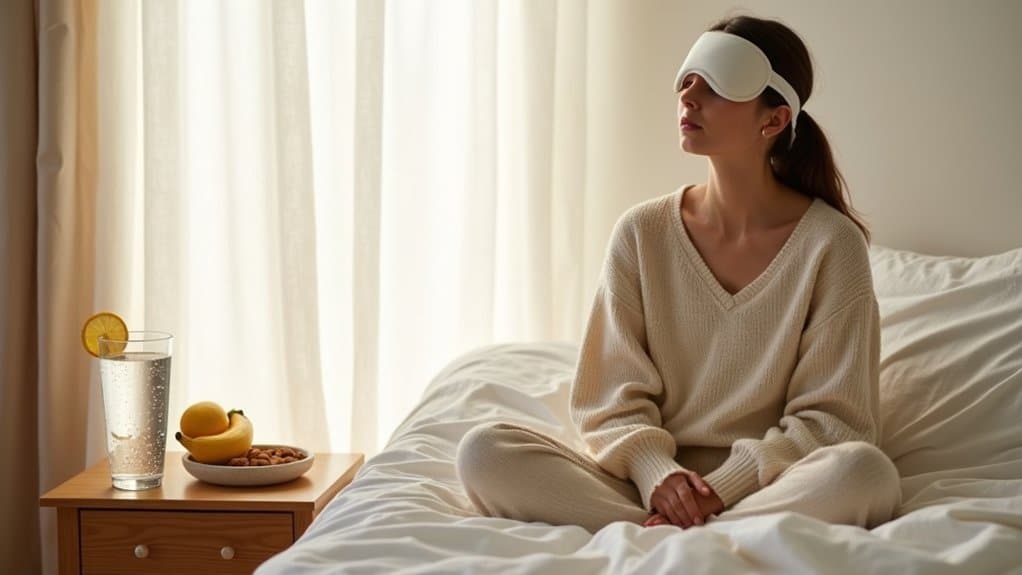
You prevent hangxiety by avoiding or limiting alcohol beforehand and by giving yourself rest, water, food, and time afterward. Not drinking at all is the surest way to prevent both hangovers and hangxiety. If you do drink, set a limit in advance and track each drink. Eat a balanced meal first, pace yourself at about one drink per hour, and alternate alcohol with water. Don’t use alcohol to ease social anxiety, since its calming effect can rebound as next-day anxiety.
Set realistic expectations for the day after drinking. Rest, drink water, eat if you can, and keep your day low-pressure. Time is what helps hangover anxiety most. Coffee, showers, and “hair of the dog” won’t speed recovery. If anxiety’s severe or persistent, seek professional support.
What should you do before you drink
Decide whether you’ll drink at all and, if so, how much. Skipping alcohol is the surest answer to how to stop hangxiety, since no remedy reliably prevents symptoms after heavy drinking. If you drink, set a firm limit, plan your number of drinks, and track each one. Don’t rely on alcohol to ease social anxiety. If you’re shy, you may face a stronger anxiety rebound the next day.
Eat a balanced meal first, because food slows alcohol absorption. Pace yourself at roughly one drink per hour, alternate with water, and choose lower-alcohol options. Food and water help, but drinking less protects you more reliably. Prevention beats figuring out how to get over hangxiety later.
What helps while you are drinking
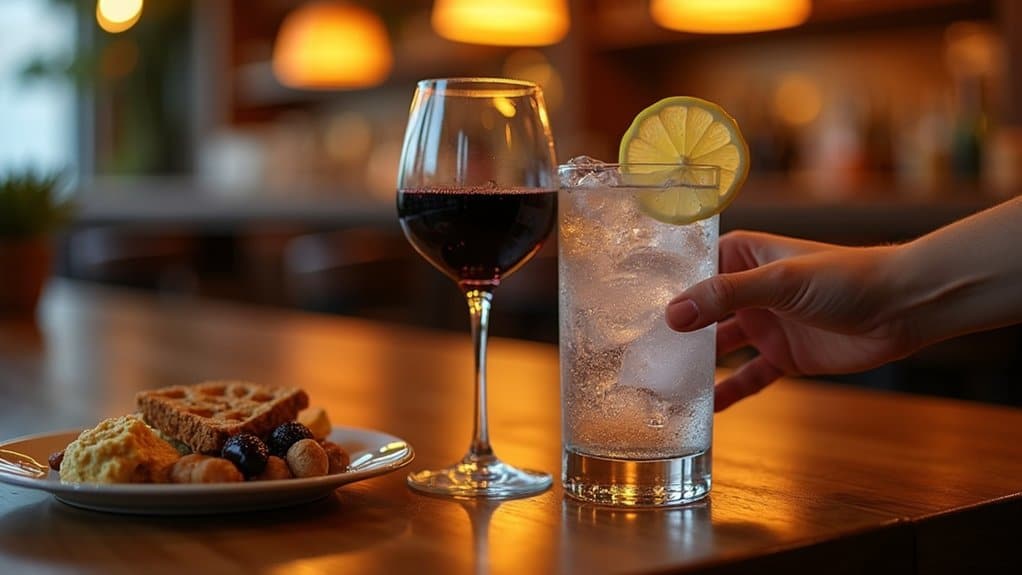
Counting each drink, rather than judging by how intoxicated you feel, helps most while you are drinking, since alcohol’s early calming effect can mask how much you’ve had. A few simple in-the-moment habits can further lower your risk of next-day anxiety.
Count every drink instead of trusting how you feel, since alcohol’s early calm can hide how much you’ve actually had.
- Sip slowly: Pace yourself at no more than about one drink per hour.
- Alternate with water: Hydration may reduce dehydration-related symptoms.
- Keep eating: Food in the evening can slow absorption.
- Skip alcohol as social relief: Its calming effect can later give way to next-day anxiety.
- Stop at your limit: Hangover symptoms can include anxiety, irritability, and fatigue.
At your limit, switch to an alcohol-free drink. Water and food help, but they can’t offset heavy drinking. Limiting how much you drink remains the most reliable protection.
What helps the morning after
Time and rest help most the morning after, because time is the only thing that reliably ends hangxiety. Your body has to finish processing alcohol and restore normal function, and hangover symptoms can last 24 hours or longer. Plan a low-pressure day and rest or sleep when you can. Even if you spent enough hours in bed, alcohol likely disrupted your sleep, including REM sleep, which helps regulate emotions.
Drink water to ease thirst and dehydration, and eat if you can tolerate food, but don’t expect either to cure hangxiety. Don’t rely on coffee, a shower, or another drink. None speeds your brain’s recovery. Electrolyte products aren’t proven to reduce hangover severity either.
If your anxiety feels severe, persists beyond the hangover, or disrupts daily life, talk with a qualified healthcare professional.
Which foods and drinks reduce it
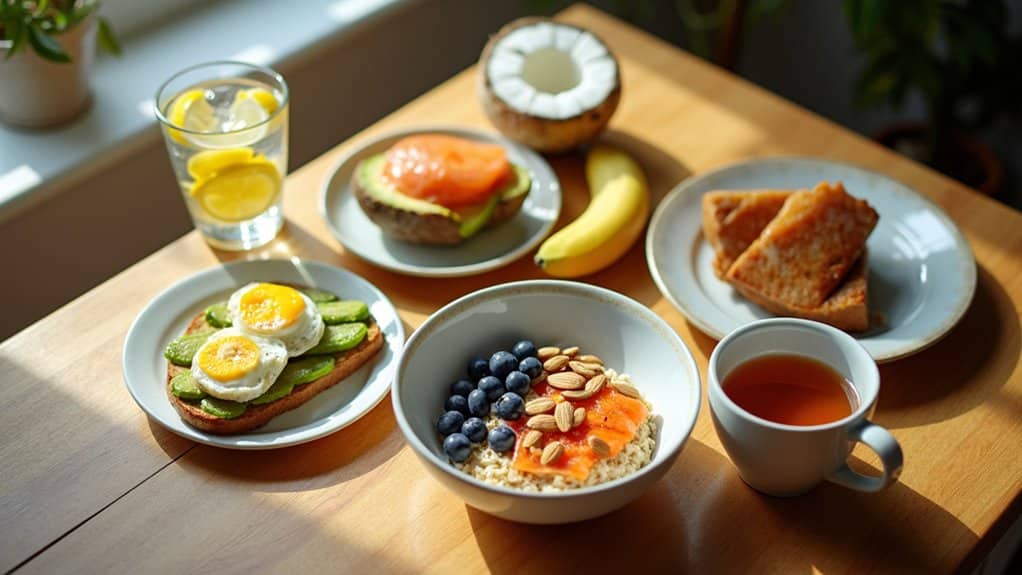
Eating a balanced meal before drinking, alternating alcoholic drinks with water, and choosing lower-alcohol options can lower your risk of hangxiety, though no food or drink can reliably prevent it after heavy drinking. Use these strategies to support pacing and hydration:
Eat first, alternate drinks with water, and choose lower-alcohol options, but no food or drink can reliably prevent hangxiety after heavy drinking.
- Eat a balanced meal before drinking, since food slows alcohol absorption.
- Keep eating during the evening if you can to further slow absorption.
- Alternate each alcoholic drink with water to reduce dehydration risk.
- Choose lower-alcohol or diluted drinks so pacing feels easier.
- Switch to alcohol-free drinks once you’ve reached your preset limit.
Keep your expectations realistic. Electrolyte products aren’t proven to reduce hangover severity, and water won’t cure hangxiety. If you drink heavily, food and drink type can’t offset the effects. Drinking less, or not at all, remains your most reliable prevention strategy.
Does cutting back actually work
Yes, drinking less is the most reliable way to lower your risk of hangxiety short of avoiding alcohol entirely. Consuming less alcohol reduces the likelihood of hangover symptoms, including anxiety, irritability, and fatigue. Food, water, and drink choice can’t offset a high intake, so the amount you drink matters most.
To make cutting back work, set a limit before you start and track each drink rather than judging by how intoxicated you feel. Pace yourself at no more than about one drink per hour, alternate with water, and switch to alcohol-free options once you’ve reached your limit.
If you still get recurring or intense hangxiety, treat it as a signal to reconsider drinking. If anxiety persists or disrupts daily life, seek professional mental-health support.
What works best before versus after drinking
The steps you take before and during drinking do far more than anything you try afterward, because hangxiety stems from how much alcohol your body has to process. No remedy speeds your brain’s recovery after you’ve overdone it.
| Before and during drinking | After drinking |
|---|---|
| Set a drink limit and track each one | Rest and allow 24 hours or more |
| Eat a balanced meal first | Drink water for thirst |
| Pace at about one drink per hour | Eat if you can tolerate food |
| Alternate alcohol with water | Keep your day low-pressure |
After-drinking steps ease discomfort, but they don’t reverse it. Skip coffee, showers, and “hair of the dog,” since none cures a hangover. If hangxiety recurs or feels severe, consider drinking less or seeking professional support.
How does Quest 2 Recovery help you drink less
Quest 2 Recovery helps you drink less by offering professional support to reassess your drinking and set practical limits. If hangxiety keeps returning despite careful planning, it may signal that alcohol plays a larger role in your life than you’d like. That matters because hangover self-care can’t address an underlying anxiety condition. When you reach out, you can expect to explore:
- How often hangxiety occurs and how severe it gets
- Whether you’re using alcohol to manage social anxiety
- Practical ways to set limits and drink less
- Signs that anxiety persists beyond hangovers
- Next steps if reducing alcohol feels difficult
You don’t need to wait for a crisis. If anxiety feels severe, persistent, or disruptive, contacting Quest 2 Recovery can help you build a plan protecting your mental health.
When Hangxiety Keeps Coming Back, It’s Telling You Something
You can plan every drink, eat first, and pace yourself, and still wake up gripped by anxiety the next morning. When that cycle keeps repeating no matter how carefully you manage it, the issue usually isn’t your hangover routine. It’s the anxiety underneath the drinking. Quest 2 Recovery provides dual diagnosis treatment that treats the anxiety and the alcohol use together, so relief doesn’t have to come from the next drink. Verify your insurance or call (855) 783-7888 today for a confidential conversation about recovery.
Frequently Asked Questions
What Exactly Is Hangxiety, and Why Does Alcohol Cause It?
Hangxiety is the anxiety you feel during a hangover, and it’s a recognized hangover symptom. Alcohol may calm you at first, but as its effects wear off, your brain can become more restless and anxious. Alcohol also disrupts your sleep, including REM sleep, which helps you regulate emotions. Dehydration and sleep loss then make anxious thoughts harder to manage. In a 2023 study of over 5,000 students, 18.3% reported it.
How Common Is Hangxiety Among People Who Drink?
Hangxiety’s fairly common, though it doesn’t affect everyone who drinks. A 2023 study of more than 5,000 UK and Dutch students found that 18.3% reported hangover-related anxiety, so you’re far from alone if you’ve felt it. Your risk may climb if you’re shyer or use alcohol to ease social anxiety, since you can experience a stronger next-day rebound. If it’s severe, persistent, or disrupting your daily life, consider professional support.
Are Shy or Socially Anxious People More Prone to Hangxiety?
Yes, if you’re highly shy, you may experience a stronger next-day anxiety rebound after drinking. Alcohol can initially calm you, but as its effects wear off, your brain can become more restless and anxious. That’s why you shouldn’t rely on alcohol to ease social anxiety. Set a drink limit beforehand and pace yourself. If your anxiety feels severe, persistent, or disruptive, seek professional support, since self-care can’t address underlying anxiety.
How Long Does Hangxiety Usually Last After a Night of Drinking?
Hangxiety typically lasts about as long as your hangover, which can run 24 hours or longer. Your recovery depends on your body processing alcohol and restoring normal function, including the sleep that alcohol disrupted. Water, rest, and a low-pressure day can help you cope, but coffee, a shower, or another drink won’t speed recovery. If your anxiety persists beyond the hangover or disrupts daily life, it’s worth seeking professional support.
When Should Hangxiety Prompt Someone to Seek Professional Help?
You should seek professional support if your anxiety is severe, persistent, or interfering with daily life. Hangover self-care can’t address an underlying anxiety condition. If hangxiety keeps recurring or feels intense, treat that as a reason to reconsider drinking, since avoiding alcohol or drinking less is the most dependable prevention. Also, you shouldn’t rely on “hair of the dog.” Another drink won’t cure a hangover or speed your brain’s recovery.